
Lieferung heute & morgen

Qualitätsgarantie

Willkommens-Angebote freischalten: KOSTENLOSE Lieferung | Bis zu 80 % RABATT | Kostenlose 30-Tage-JoyPlus-Testphase
App herunterladen
Choosing the right drinking glasses might seem simple at first glance. However, it's often only through daily use that you discover whether a glass is truly practical. An unsuitable design, the wrong material, or exaggerated marketing claims can quickly lead to buyer's remorse. As your Joybuy Product Recommendation Officer, I'll help you identify the crucial features and avoid common pitfalls, so you can make an informed decision.
Before you get swayed by attractive designs, it's important to be aware of three common issues that can severely limit the usefulness of drinking glasses in everyday life.
To avoid a poor purchase, focus on three objective criteria: material, shape, and the right set for your household.
The material is the foundation for durability and functionality. The two most common types for drinking glasses are:
The shape of a glass influences not only its appearance but also the drinking experience and handling.
Consider how many glasses you actually need. A glass set of four to six glasses is a good starting point for most households. For families or those who frequently entertain guests, a larger set or a combination of different glass types may be a wise choice. Check if the glasses are dishwasher-safe to minimise cleaning effort in your daily routine.
Here are some recommendations tailored to specific needs and usage scenarios.
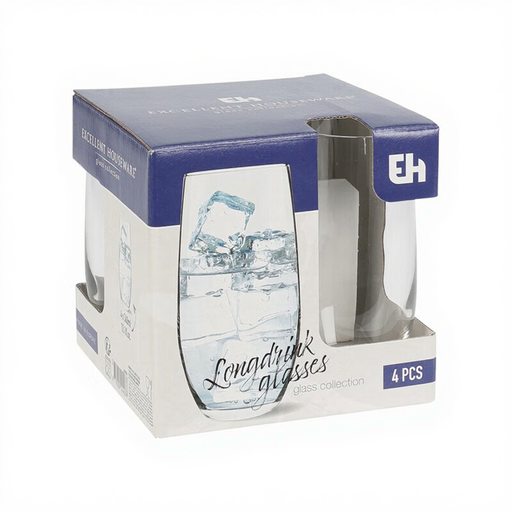
Why This Fits Their Persona: Ideal for daily use where functionality and great value for money are the priority. This set covers the basic needs for water, juice, or spritzers without any unnecessary complexity.
It bypasses the impractical design trap. The classic, straight shape is easy to clean, stable, and fits seamlessly into any kitchen setup.
A practical set of 4 with a 360 ml capacity. The robust soda-lime glass is dishwasher-safe, making it very easy to care for.
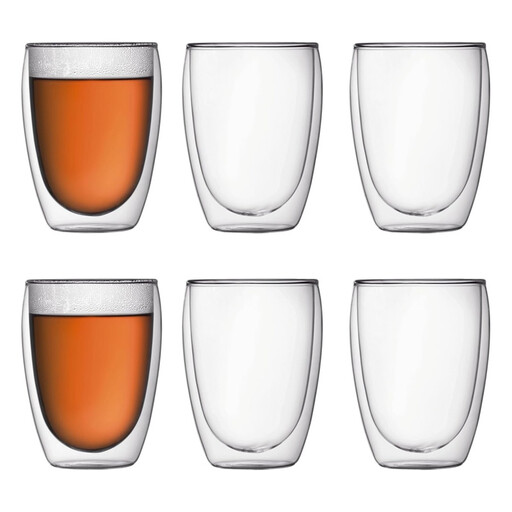
Why This Fits Their Persona: Perfect for lovers of specialty coffees and teas like latte macchiato or chai latte, who value an appealing presentation and optimal drinking temperature.
This glass solves the "heat-resistant" trap. The double-walled construction made of borosilicate glass provides effective insulation, preventing you from burning your fingers while keeping the drink hot.
Excellent thermal insulation for hot and cold beverages. The tall, clear design showcases the layers of mixed drinks. The exterior remains cool to the touch and free of condensation.
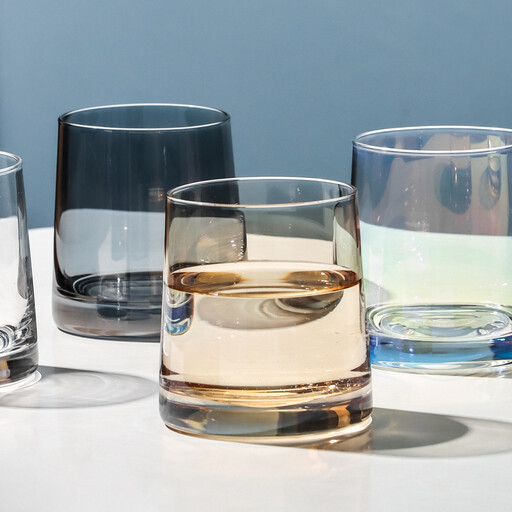
Why This Fits Their Persona: For anyone who values a special aesthetic when entertaining guests. The textured design is an eye-catcher and is suitable for a variety of drinks, from water and juice to cocktails or whiskey.
It escapes the myth of the boring universal glass. This set offers a sophisticated design that is still versatile enough for various occasions and enhances any table setting.
Elegant, textured design for an upscale look. The set is versatile for different beverages and is made from durable glass.
We have compiled a complete, up-to-date list of products that fully meet these strict selection criteria and all applicable safety regulations.
1. Are double-walled glasses truly dishwasher-safe? Many double-walled glasses made of borosilicate glass are declared dishwasher-safe. However, there is often a small, silicone-sealed opening on the bottom that serves to equalise pressure during manufacturing. With aggressive wash cycles or high temperatures, this seal can leak, allowing water to penetrate between the glass walls. Gentle hand washing or placing them in the top rack of the dishwasher at a low temperature is therefore often recommended to maximise their lifespan.
2. What is the difference between borosilicate glass and regular glass? The main difference lies in the chemical composition and the resulting physical properties. Borosilicate glass contains boron trioxide, which gives it a very high resistance to thermal shock. It expands less when heated than normal soda-lime glass and is therefore less prone to cracking during rapid temperature changes. Additionally, it is lighter and has greater clarity.
3. How many drinking glasses does a household need? A common recommendation is to have at least two to three glasses per person in the household for daily use (e.g., water glasses). For a four-person household, that would be eight to twelve glasses. Additionally, it's a good idea to keep a separate set of four to six glasses for guests or for special drinks like coffee, tea, or long drinks.