
Lieferung heute & morgen

Qualitätsgarantie

Willkommens-Angebote freischalten: KOSTENLOSE Lieferung | Bis zu 80 % RABATT | Kostenlose 30-Tage-JoyPlus-Testphase
App herunterladen
Choosing the right drinking glasses seems simple at first glance. But it's often only after a few weeks that you discover whether you've made a great purchase or a poor one. A glass that turns cloudy after just a few washes, or a double-walled coffee glass that fills with dishwater, are frustrating and avoidable problems. As your Joybuy Product Recommendation Officer, I'm here to help you identify the key features and sidestep common purchasing traps.
Before we dive into the ideal features, let's look at the typical flaws often hidden behind appealing product photos.
To avoid these issues, you should check two core aspects before buying: the material and the specific construction for its intended use.
The choice of material directly impacts durability, appearance, and functionality.
Beyond the material, small details determine everyday usability.
Here are some product recommendations tailored to specific user profiles that meet the quality criteria mentioned above.
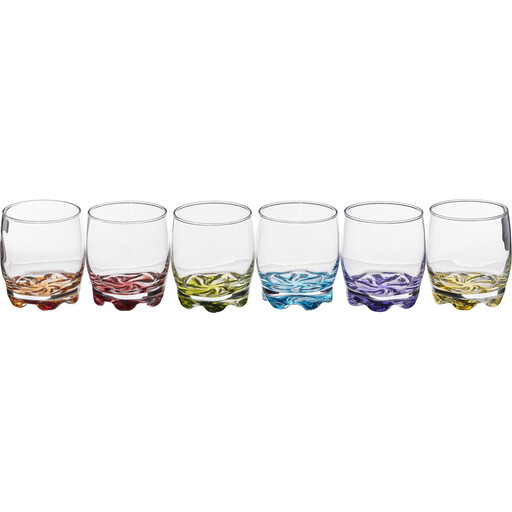
Why This Fits Their Persona: Ideal for families and daily use. This set offers a classic, functional design for water, juice, or spritzers. The coloured bases are a nice detail for telling the glasses apart.
It bypasses the "dishwasher-safe" trap with a clear statement: the product description explicitly recommends hand washing. This sets realistic expectations and ensures the product's longevity.
A practical set of 6 with a 310 ml capacity. The simple soda-lime glass design is timeless and versatile.
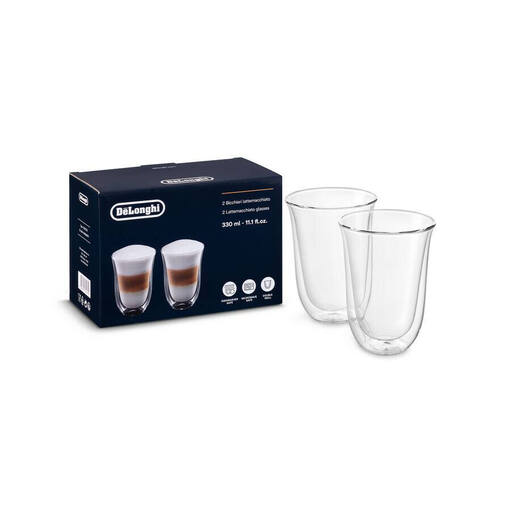
Why This Fits Their Persona: For anyone who celebrates their coffee ritual. These glasses are specifically designed for coffee specialities like latte macchiato, combining minimalist aesthetics with high functionality.
As a branded product from a coffee specialist, the double-walled construction is designed for durability, minimising the risk of a leaky seal. The material is optimised for use with hot beverages.
The double-walled glass insulation keeps drinks at temperature for longer. The glasses are dishwasher-safe and, at 330 ml, are the ideal size for a latte macchiato.
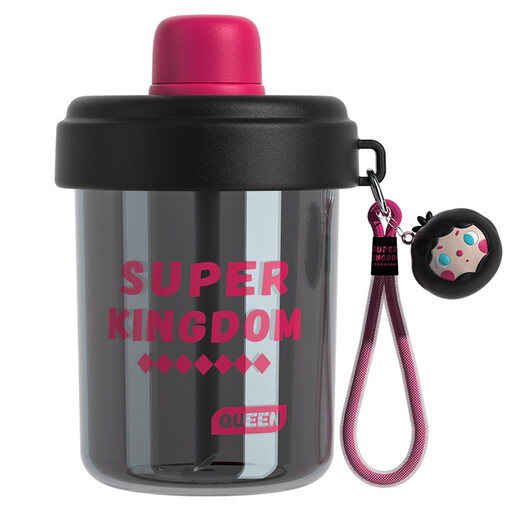
Why This Fits Their Persona: Perfect for commuters, students, or the gym. This tumbler offers a reusable and leak-proof solution for drinks on the go and fits into standard backpacks and cup holders.
It solves the problem of leaky to-go cups with a lid featuring a silicone seal and a flip-top closure. It also avoids the material trap by using food-grade, BPA-free Tritan/PCTG, which is robust and odour-neutral.
Innovative lid with two drinking options (direct sipping or with a straw). The 520 ml capacity is practical for on the go, and the wide opening makes filling and cleaning easy.
We've curated a complete, up-to-date list of products that fully meet these strict selection criteria.
1. Why do my glasses get cloudy in the dishwasher? This phenomenon is known as glass corrosion. It occurs when the surface of the glass is chemically attacked by high temperatures and harsh detergents. To prevent this, you should select a lower-temperature wash cycle (max 55°C), use a detergent with a special glass-protectant formula, and avoid placing glasses too close together. For very delicate glassware, hand washing remains the safest method.
2. What is the difference between borosilicate glass and regular glass? The main difference lies in thermal resistance. Borosilicate glass contains boron trioxide, which makes it extremely resistant to thermal shock. You can pour boiling water into it without any risk of it cracking. Regular soda-lime glass would likely shatter under such a sudden temperature change. That's why borosilicate glass is the preferred material for tea glasses, coffee glasses, and double-walled designs.
3. Are plastic drinking glasses really safe? Yes, as long as you choose the right material. Modern plastics like Tritan or SAN are specifically designed for food contact, are robust, and are BPA-free. BPA (Bisphenol A) is a plasticiser suspected of being harmful to health. When buying shatterproof plastic drinking glasses, always look for the "BPA-free" or "food-grade" label to ensure you are getting a safe product.