
Lieferung heute & morgen

Qualitätsgarantie

Willkommens-Angebote freischalten: KOSTENLOSE Lieferung | Bis zu 80 % RABATT | Kostenlose 30-Tage-JoyPlus-Testphase
App herunterladen
Choosing the right drinking glasses often seems straightforward, but reality tells a different story. Many buyers discover only after a short time that their new glasses scratch easily, turn cloudy in the dishwasher, or shatter at the slightest mishap. As your Joybuy Product Recommendation Officer, I'll help you navigate the typical marketing traps and make a selection based on functionality and durability.
Before you invest, you should be aware of the three most common problems that lead to disappointment and unnecessary expense.
To avoid a bad purchase, focus on these three objective criteria. They will help you assess the quality and suitability of a drinking glass.
The material composition is crucial for the glass's properties.
Regardless of the material, the craftsmanship is an indicator of durability. Look for the following features:
A reliable claim of dishwasher safety goes beyond a simple symbol. Manufacturers who test their products according to standards like EN 12875 guarantee a specific number of wash cycles without visible damage. If this information is not available, glasses made of tempered glass or borosilicate glass are often a more resilient option. As a general rule, cleaning on a delicate cycle at lower temperatures will extend the life of any glass.
Here are some recommendations tailored to specific user profiles that take the aforementioned pitfalls into account.
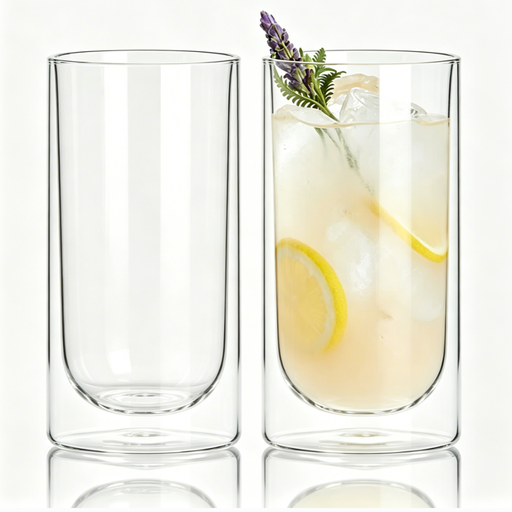
Why This Fits Their Persona: Ideal for those who enjoy tea or coffee daily and value functionality. The drink stays hot longer, while the outside remains comfortably cool to the touch.
Made from heat-resistant glass (according to the product description), it directly addresses the danger of thermal shock (Pitfall #3). The double-walled construction also prevents condensation with cold drinks.
Thermal insulation for hot and cold beverages; no condensation on the outer wall; compact design.

Why This Fits Their Persona: A practical and affordable choice for daily use. The set is versatile for water, juice, or even beer and offers great value for money as a starter kit.
The sturdy design with a textured surface is less susceptible to visible scratches and provides a secure grip. This counteracts the pitfall of fragile design (Pitfall #2) and makes it suitable for everyday use.
Non-slip grip due to the glacier texture; versatile for various cold drinks; available as a 2-piece set.
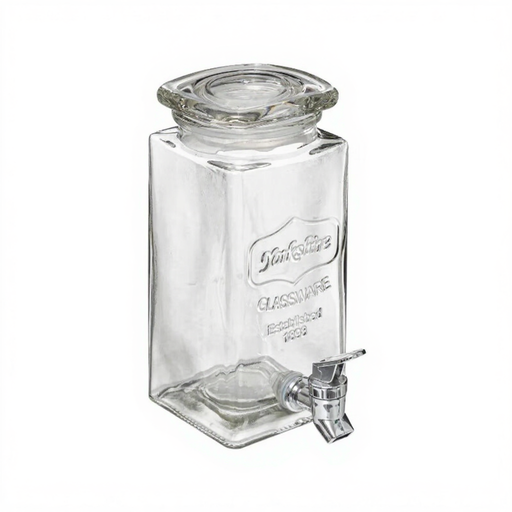
Why This Fits Their Persona: Perfect for parties, buffets, or family gatherings. This set allows guests to elegantly serve themselves large quantities of lemonade, iced tea, or fruit-infused water.
Instead of relying on a collection of mismatched and potentially fragile individual glasses, this set offers a robust and functional solution. The thick glass walls are designed for use at events.
Large capacity (3 x 1.5 liters); convenient spigot for easy self-service; attractive design with a metal stand.
We have compiled a complete, up-to-date list of products that fully meet these strict selection criteria and German safety regulations.
1. What does "dishwasher-safe" really mean for glasses? The term is not strictly standardized. "Dishwasher-safe" implies a higher resistance to the heat and chemical agents in detergent than "dishwasher-suitable." Truly durable glasses are often made from tempered or specially treated glass. To maximize their lifespan, it is recommended to wash glasses in the top rack and at lower temperatures (e.g., on a glass or delicate cycle).
2. Can all glass tea cups be used for boiling water? No. Only glasses explicitly labeled as heat-resistant should be used for boiling liquids. These are typically glass tea cups made from borosilicate glass. With standard soda-lime glass, there is a risk of thermal shock, which can cause the glass to shatter.
3. How do I prevent glass corrosion (cloudy glasses) in the dishwasher? Glass corrosion is an irreversible process, so prevention is key. Use the correct dosage of detergent and rinse aid, as overdosing can attack the glass surface. If possible, select a wash program with a lower temperature. Regularly refilling the dishwasher salt is also important to soften the water and prevent limescale deposits, which are often mistaken for corrosion.