
Lieferung heute & morgen

Qualitätsgarantie

Willkommens-Angebote freischalten: KOSTENLOSE Lieferung | Bis zu 80 % RABATT | Kostenlose 30-Tage-JoyPlus-Testphase
App herunterladen
A drinking glass set should be practical for everyday use, suit your kitchen and last as long as possible. However, descriptions such as ‘robust’, ‘stylish’ or ‘temperature-insulating’ do not always tell you much. The details that matter are the material, capacity, number of pieces, care instructions and intended use.
Whether you’re looking for water glasses, tea glasses, double-walled glasses, cocktail glasses or a gift set for the kitchen and home, the following criteria can help you avoid a disappointing purchase.
A set of four glasses may be enough for a two-person household, but could soon prove inadequate if you regularly have guests. Larger sets are worth considering for families, offices or celebrations. At the same time, six or more glasses take up more storage space and add more weight to your kitchen cupboard.
The stated capacity of ‘400 ml’ usually refers to the maximum volume. If you’re adding ice cubes, milk froth or a garnish, there will be less room for the drink itself. A 400 ml glass set is suitable for water, juice or iced coffee, while espresso and smaller tea-based drinks need smaller cups.
‘Dishwasher-safe’ and ‘suitable for the dishwasher’ should not automatically be taken to mean that a glass can go on any programme. Decorative details, metallic rims and reactive glazes may require gentle cleaning or hand washing. It’s also wise to avoid sudden changes in temperature, as these can create stress in the glass.
Glass is tasteless and lets you see your drink. It’s a versatile choice for water, juice, cocktails and wine. If you’re considering decorated glasses, check whether they’re dishwasher-safe.
Stoneware and ceramic retain heat differently from thin-walled glass, making them particularly suitable for coffee, tea, hot chocolate and milk-based drinks. Handles make hot drinks easier to hold. Hand-finished glazes can vary from one piece to another. These differences are not necessarily defects, but they should suit the look you want.
Plastic, such as PP, is lightweight and practical for certain everyday situations. Before buying, check the manufacturer’s specific guidance on hot drinks, microwave use and dishwashing. Plastic should not automatically be treated as equivalent to a glass or ceramic vessel.
For everyday use, 250 to 400 ml is often a versatile capacity. Small espresso cups of around 120 ml are designed for concentrated coffee drinks or small desserts. A coffee cup set with a capacity of around 400 ml is better suited to lattes, tea, hot chocolate or larger hot drinks.
The shape also matters when choosing wine glasses and cocktail glasses. A 250 ml margarita glass is designed for serving cocktails of that kind, while a stemless wine glass with a capacity of around 414 ml can also be used for other drinks.
Before ordering, make sure the product description clearly answers these questions:
Double-walled glasses can be a useful choice for hot and cold drinks. Their construction creates an additional thermal layer between the drink and the outer surface. However, you should still follow the manufacturer’s care and temperature instructions.
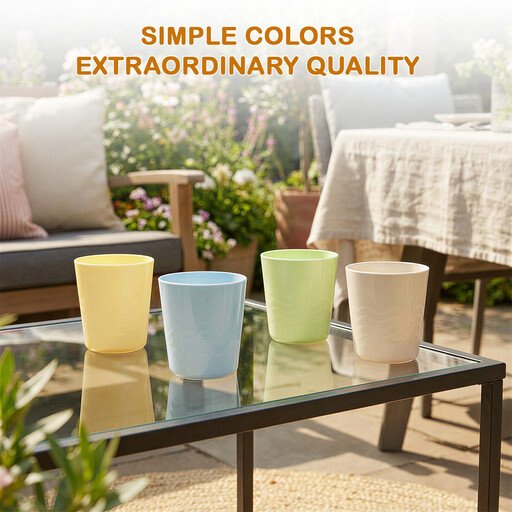
Why this product suits this profile: This set of four PP plastic cups has a capacity of 300 ml and is designed for easy everyday use at home, while taking up little storage space.
The clear details on material, number of pieces and 300 ml capacity help distinguish this set from larger glass sets. Follow the manufacturer’s guidance when using the cups for hot drinks.
Four cups, a 300 ml capacity and lightweight PP material for everyday water and juice.
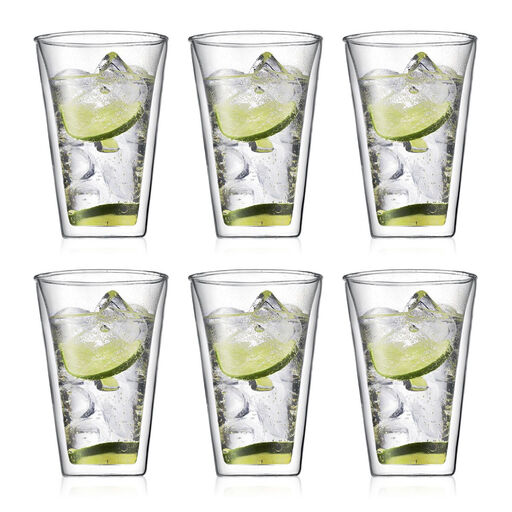
Why this product suits this profile: This set includes six double-walled glasses, each with a capacity of 0.4 l. It’s a good choice for households that regularly serve both hot and cold drinks.
The product details clearly state that the glasses have a double-walled design and a capacity of 0.4 l. This gives you a clearer idea of what you’re buying than a vague marketing claim about insulation.
Six glasses, each with a 400 ml capacity, made from double-walled glass for coffee, tea, iced tea or water.
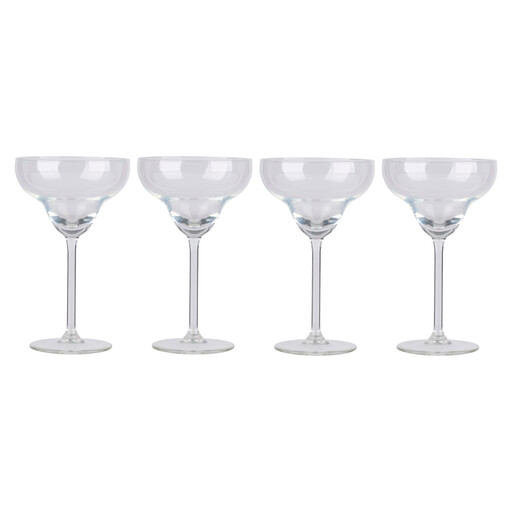
Why this product suits this profile: This set of four clear glass vessels has a capacity of 250 ml and is designed for margaritas, other cocktails and serving drinks at parties.
The specific shape and capacity make it clear that these are not all-purpose water glasses. If you plan to use them every day for a family, bear in mind that the set contains a limited number of glasses.
Four clear cocktail glasses with a 250 ml capacity and a design made for margaritas.
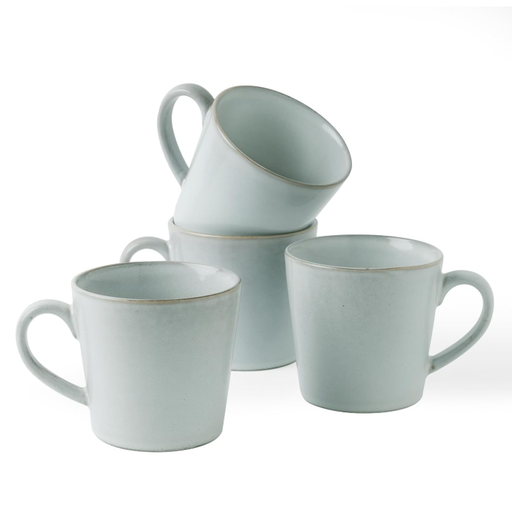
Why this product suits this profile: Four stoneware mugs, each with a capacity of 14 oz, have ergonomic handles and are suitable for microwave and dishwasher use. They’re ideal for coffee, tea, milk and hot chocolate.
The description specifies the material, capacity, number of pieces and care options. Hand washing is also recommended to help preserve each mug’s distinctive reactive glaze for as long as possible.
Four stoneware mugs, each with a capacity of 14 oz, with handles and guidance on microwave and dishwasher use.
For smaller servings of coffee, a four-piece cup set with a capacity of 120 ml is a good option, for example for espresso or individual desserts. If you prefer classic hot drinks, you could also compare the grey-and-white Richmount version with a straight rim, or the square stoneware mugs with a capacity of 13 oz.
For cold drinks, you can choose from classic water glasses as well as 400 ml glasses with lids and straws. If you’re considering decorative sets, such as stemless Christmas wine glasses, bear in mind that they may need to be hand washed. Gold or brass decorations are not always dishwasher-safe.
We’ve put together a complete, regularly updated list of products that meet these strict selection criteria and fully comply with the safety regulations in force in the EU.
Four glasses are often enough for one or two people. For families, frequent visitors or office use, six or more are more practical. It’s also worth checking whether you can buy replacement glasses individually.
A capacity of around 300 to 400 ml is a versatile choice for water and juice. Ice cubes or large garnishes will leave less room for your drink, so the shape of the glass also affects how much it can hold in practice.
It depends on the product. Some stoneware and ceramic mugs are specifically listed as dishwasher-safe, while hand-finished glazes and decorated glasses may need to be washed by hand. Check the care instructions for the specific product before buying and before washing it for the first time.