
Lieferung heute & morgen

Qualitätsgarantie

Willkommens-Angebote freischalten: KOSTENLOSE Lieferung | Bis zu 80 % RABATT | Kostenlose 30-Tage-JoyPlus-Testphase
App herunterladen
A drinking glass set often looks convincing in product images, but important details can easily be overlooked. For households, families, hosts, as well as cafés and restaurants, it’s not just about shape and price. Capacity, material, cleaning and the specific use case are what really matter.
A set of identical glasses may look appealing, but it isn’t automatically versatile. Different sizes work better for water and juice than for whisky, beer or cocktails. A very small glass, for example, is only of limited use as a daily water glass. So before you buy, you should check the fill volume in millilitres or centilitres.
Terms like “sturdy” or “long-lasting” are hard to assess without technical explanation. When it comes to glassware, specific details such as material, wall thickness, weight and care instructions are what count. Even a seemingly solid glass can be damaged by knocks, incorrect stacking or sudden temperature changes.
Dishwasher-safe glasses can go in the machine, but they should be loaded correctly and cleaned on a gentle cycle. Harsh detergents, high temperatures and frequent friction can cloud the surface over time. With soda-lime glass, you should also avoid a sudden temperature change from very hot to very cold.
For everyday use, several sizes have become standard:
The stated fill volume doesn’t always reflect the comfortable usable amount. If you plan to add ice cubes, lemon slices or foam, choose a glass with extra capacity.
Clear glass shows the contents clearly and works well for water glasses, beer glasses and cocktail glasses. Soda-lime glass is common for everyday use, but it isn’t automatically heat-resistant. Boiling water should therefore not be poured directly into it unless the manufacturer states it is suitable.
Ceramic is practical for coffee cups and other hot drinks. If it has a glaze, check the instructions for microwave, dishwasher and thermal shock. A damaged glass or chipped cup should not be used.
Before you buy, it’s worth checking these points:
Glasses should not be forced inside one another. Before each use, a quick visual check for cracks, chips and deep scratches is recommended.

Why this product fits the profile: The two-piece set with 300 ml per glass covers typical drinks such as water, juice, milk, wine and beer. The textured surface is designed for everyday use and smaller gatherings.
The fill volume is clearly stated, preventing a decorative glass from being too small for everyday use. According to the product details, cleaning in the top basket of the dishwasher is possible.
300 ml capacity, two glasses per set and a textured glass surface. Rapid temperature changes should be avoided.
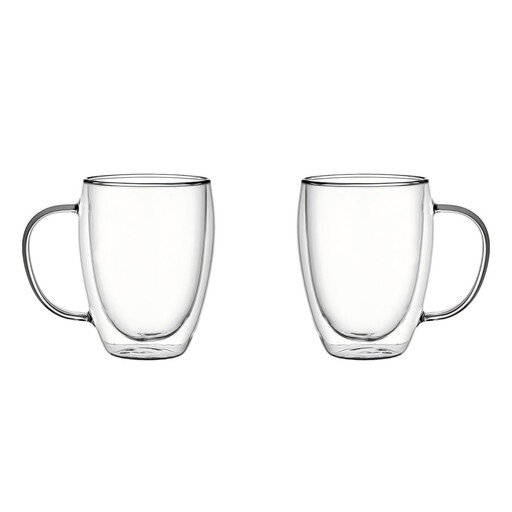
Why this product fits the profile: The 450 ml version offers extra room for cold drinks, ice cubes or larger servings. The two-piece set is suitable for the household and serving for two.
The size is clearly stated, preventing confusion with compact 250 or 300 ml glasses. Before use, check the specific care instructions for the product.
450 ml capacity and two pieces per pack. Suitable for larger cold drink portions.
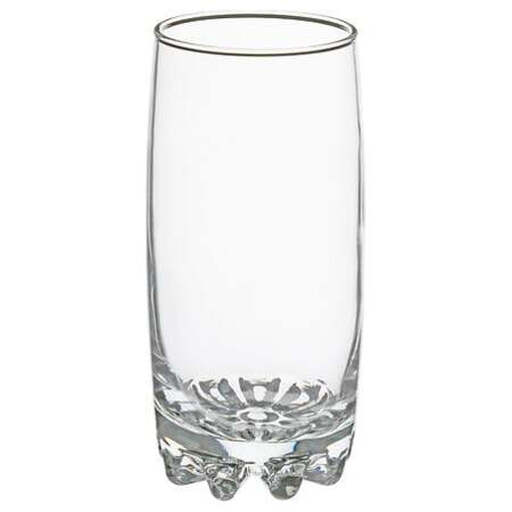
Why this product fits the profile: The tall glass with 38 cl or 385 ml is suitable for water, iced tea, juices, soft drinks and cocktails. The stated suitability for dishwasher and microwave can be practical for regular use.
The product details explicitly state the material, volume, cleaning and temperature warning. Soda-lime glass must not be subjected to boiling water or sudden temperature changes.
385 ml volume, transparent soda-lime glass and, according to the product description, dishwasher and microwave suitability.
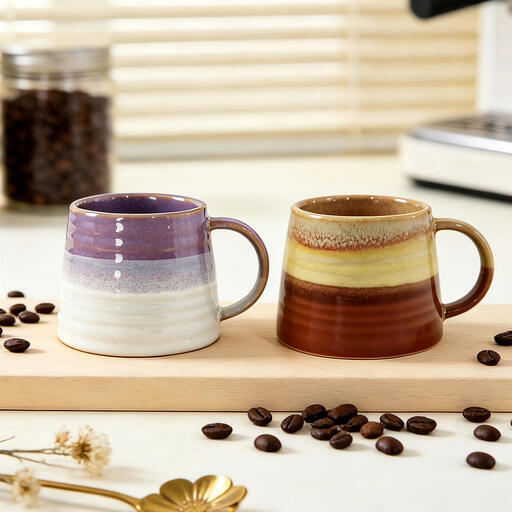
Why this product fits the profile: The ceramic mug holds approximately 282 ml according to the product details and has an integrated handle. It is intended for coffee, hot chocolate, milky tea and use at home, in the office or in a café.
The mug is not intended as a universal glass, but is clearly designed for hot drinks. This makes it easier to match your selection to your actual drinking habits.
Ceramic body with glaze, handle and, according to the product description, suitability for microwave and dishwasher. Before use, check the mug and glaze for damage.
We have put together a complete, regularly updated list of products that fully meet these strict selection criteria and the safety regulations in force in the EU.
For one person or a two-person household, four to six water glasses are often sufficient. Families and regular hosts should also plan for spares. Separate shapes are useful for beer, cocktails or whisky, as they differ in volume and serving size.
No. The suitability must be explicitly stated in the product description. Even dishwasher-safe glasses can lose their clarity over time with high temperatures, harsh detergents or frequent contact with other items.
A range of around 250 to 350 ml is practical for many everyday situations. If you often serve ice, juice or larger portions, you can choose a glass of around 380 to 450 ml. Your individual drinking habits and the available cupboard space remain the deciding factors.