
Lieferung heute & morgen

Qualitätsgarantie

Willkommens-Angebote freischalten: KOSTENLOSE Lieferung | Bis zu 80 % RABATT | Kostenlose 30-Tage-JoyPlus-Testphase
App herunterladen
The choice of drinking glasses and mugs ranges from simple water glasses to decorative coffee cups, double-walled mugs and complete mug and glass sets. However, attractive looks alone say little about whether a product is right for your home, office or catering business. Capacity, material, care instructions and intended use are the key considerations.
A 300 ml mug is suitable for filter coffee, tea or hot chocolate, but is far too large for a quick espresso. Conversely, an 8-cl glass may not be suitable for a large café latte. Before buying, check that the size suits both your drink and your coffee machine.
As a general guide:
Ceramic, porcelain and glass can be damaged by impacts or sudden changes in temperature. Borosilicate glass is not unbreakable either. For families, outdoor areas or events, polypropylene drinking glasses can be a practical alternative. With conventional glasses, look out for visible cracks, chips and sharp edges.
A product may be dishwasher-safe but not suitable for use in a microwave. Decorative designs, metal coatings, wooden lids and double-walled constructions often require special care. The relevant manufacturer’s instructions should therefore be checked before first use. With reactive glazes, hand washing can help preserve the surface over time, even if the product description states that it is dishwasher-safe.
Ceramic mugs and stoneware mugs retain heat and are generally comfortable to hold. With handmade models, each piece may look slightly different because of variations in the glaze. This is a typical product characteristic, not a sign of a defect. For coffee and tea, ergonomically shaped handles and a stable base are useful features.
Glass mugs and glass tumblers showcase the colour, foam and layers of a drink. Double-walled versions are often made from borosilicate glass and have an insulating layer of air. Even so, extreme temperature changes should be avoided, such as going directly from a very cold drink to a boiling-hot one.
Plastic glasses made from polypropylene are lightweight and, according to the product description, shatterproof. They may be suitable for gardens, balconies, pool areas or events. They should only be used for hot drinks if this is expressly stated.
The shape affects ease of use just as much as the size. A wide mug may not fit beneath every bean-to-cup coffee machine. Tall water glasses require more space in kitchen cupboards and dishwashers. For cafés, restaurants, offices and hotels, stackability, the option to reorder and consistent quantities are also important.
With wine glasses, capacity should not be confused with the recommended serving size. A 38-cl wine glass provides plenty of room for red or white wine, while a 16-cl model is more compact and suitable for smaller servings.
Look out for the following information:
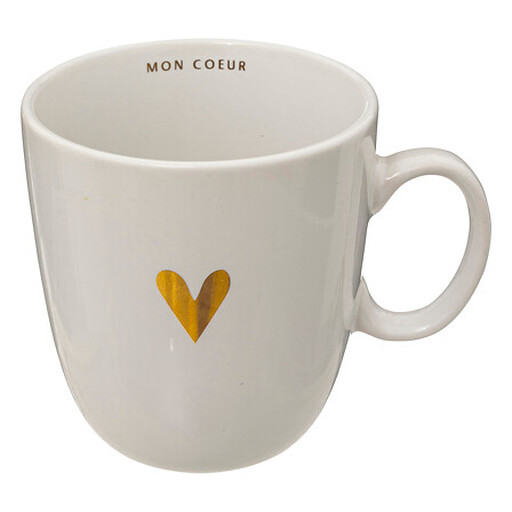
Why this product suits this profile: The 300 ml ceramic mug holds typical portions of coffee, tea or hot chocolate, making it suitable for use at home or in the office.
The stated capacity is clearly specified. Dishwasher and microwave suitability are also expressly indicated.
Ceramic material, 30 cl capacity, comfortable handle and floral design.
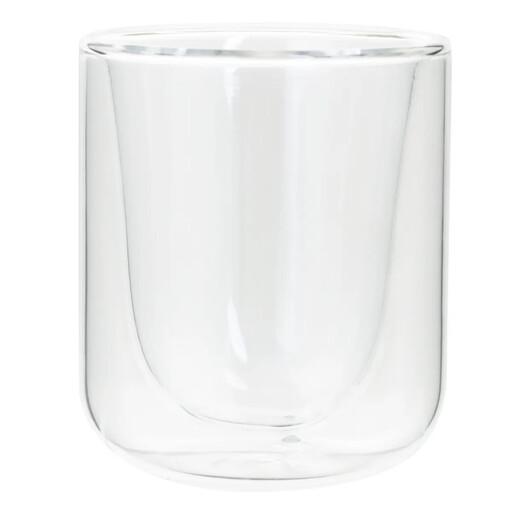
Why this product suits this profile: This double-walled borosilicate glass espresso cup combines a small capacity with an attractive transparent presentation.
The 8-cl specification prevents an espresso cup from being mistakenly confused with a large coffee mug. The care and oven instructions are clearly differentiated.
Double-walled construction, borosilicate glass, 80 ml capacity, plus dishwasher and microwave suitability according to the product information.
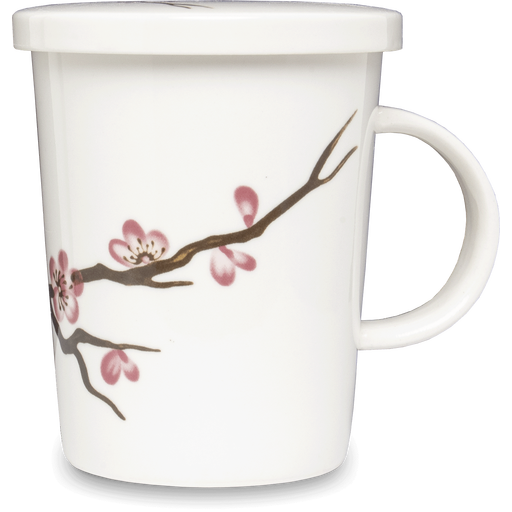
Why this product suits this profile: This tea mug holds approximately 300 ml and features a porcelain filter and lid for brewing loose-leaf tea.
The filter, lid, dimensions and capacity are described clearly. The explicit note that it is not microwave-safe helps prevent incorrect use.
Ceramic material, integrated porcelain filter, lid and 300 ml capacity.
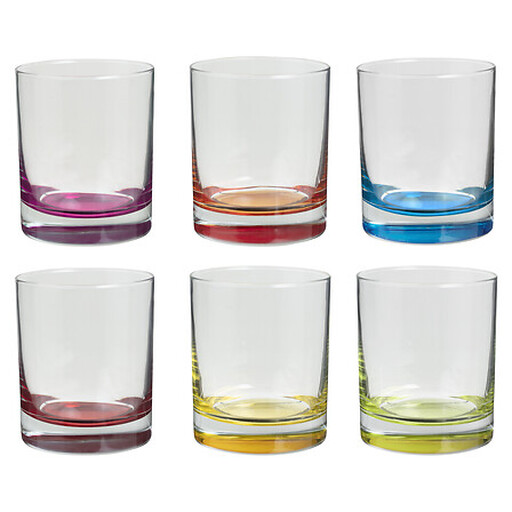
Why this product suits this profile: The set contains six 30-cl drinking glasses in different colours, making them suitable for water, juice and cold drinks.
The pack size and capacity per glass are specified. The note recommending hand washing, along with the restriction on hot liquids, is easy to take into account before buying.
Six-pack, six distinctive colours, 30 cl per glass and compact dimensions for everyday use.
We have put together a complete, regularly updated list of products that fully meet these strict selection criteria and the safety regulations applicable in the EU.
For everyday coffee or tea, mugs holding approximately 25 to 35 cl are generally versatile. 6 to 10 cl is often enough for espresso. If you prefer a café latte or large hot drinks, you should also check whether the mug fits beneath your coffee machine’s spout.
This depends on the individual model. The Cléa espresso cup is stated to be microwave-safe, while other double-walled glasses are expressly not intended for use in a microwave or oven. The product description for the specific item is always definitive.
Their lifespan depends on the material, how they are used and cleaned, and whether impacts or thermal shocks are avoided. Dishwasher-safe models can reduce the effort involved in care. For decorated mugs, metal accents and delicate glazes, hand washing is often the gentler option. Regularly checking for cracks, chips and damaged handles remains essential.