
Lieferung heute & morgen

Qualitätsgarantie

Willkommens-Angebote freischalten: KOSTENLOSE Lieferung | Bis zu 80 % RABATT | Kostenlose 30-Tage-JoyPlus-Testphase
App herunterladen
Choosing the right drinking glasses seems simple at first glance. But often, it's only after a few weeks that you discover your new glasses don't hold up to daily use. They become cloudy, chip at the slightest knock, or their shape proves impractical. As your Joybuy Product Recommendation Officer, I'll filter the essential information for you, so you can make an informed decision and sidestep common purchasing pitfalls.
Before you invest in a new glassware set, you should be aware of the three most common problems that lead to disappointment and unnecessary expense.
To avoid the problems mentioned above, focus on three objective criteria. These will help you separate the wheat from the chaff and find glasses that are both functional and durable.
The material is crucial for durability, heat resistance, and its intended use.
The shape of a glass determines how it feels in your hand and how a drink's aroma develops.
Pay attention to practical details. Are the glasses stackable to save cabinet space? Is the opening wide enough for easy cleaning by hand or with a bottle brush? A flat base that doesn't collect dishwasher water is an often-underestimated quality feature.
Here are some product recommendations tailored to specific user profiles, taking the above criteria into account.

Why This Fits Their Persona: Perfect for families or for casual use in the garden and at picnics. This glass combines the look of glass with the durability of plastic, making it ideal for daily, worry-free use.
It sidesteps the "material mismatch" trap (Trap 2) as it is designed as a shatterproof drinking glass, eliminating the worry of broken shards in everyday life.
Made from high-quality acrylic, it is lightweight, dishwasher-safe, and suitable for both indoor and outdoor use.
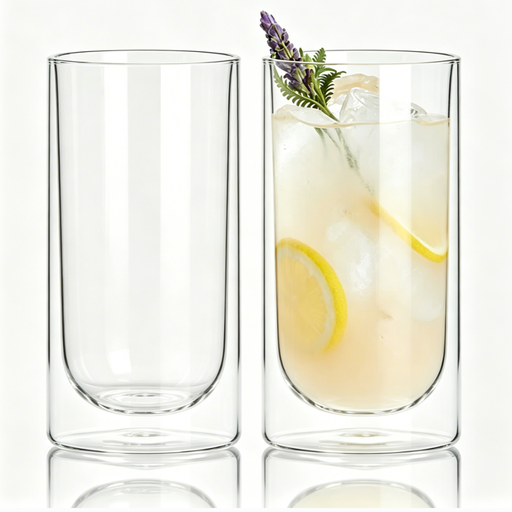
Why This Fits Their Persona: For anyone who loves to enjoy their coffee or tea at the perfect temperature without burning their fingers. Ideal for a mindful moment of enjoyment in the morning or afternoon.
The double-walled construction of borosilicate glass prevents condensation on the outside, solving a common annoyance (Trap 3) with cold drinks.
Excellent thermal insulation for hot and cold beverages. The heat-resistant material ensures durability and safety.
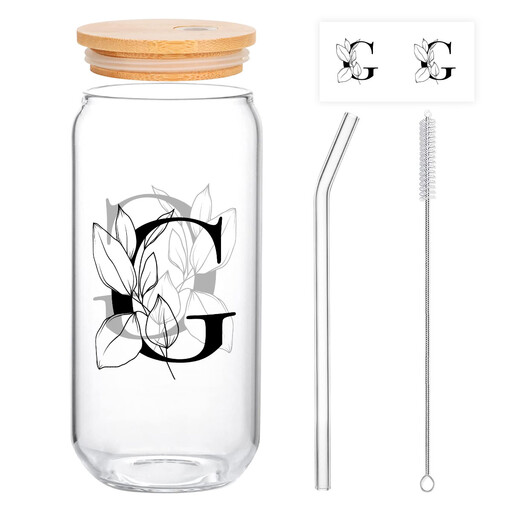
Why This Fits Their Persona: For commuters, students, and anyone looking for a stylish and reusable solution for their cold drinks on the go. Ideal for iced tea, juice, or boba.
This glass with a lid and straw is an all-in-one solution that solves the problem of spills on the move and provides a sustainable alternative to disposable cups.
The set, including the glass, bamboo lid, and straw, is both functional and visually appealing. With a 500 ml capacity, it's a practical size.
We have compiled a complete, up-to-date list of products that fully meet these strict selection criteria and UK safety regulations.
1. What is glass corrosion and how can I prevent it on my drinking glasses? Glass corrosion is the chemical process that makes glass cloudy and milky in the dishwasher. To delay this, you should select a lower temperature wash cycle (max. 55°C / 130°F), use the correct amount of detergent and rinse aid, and avoid placing glasses too close together. Occasional hand washing also helps preserve the material.
2. Are double-walled glasses truly shatterproof? No, not in the sense of being unbreakable. They are made of borosilicate glass, which is more resistant to thermal shock than regular glass but can still break if dropped or subjected to a strong impact. Their main advantage is thermal insulation, not extreme durability.
3. How many drinking glasses does one person need in a household? A good rule of thumb is 4 to 6 universal glasses (e.g., water glasses or tumblers) per person. This ensures you have enough glasses for daily use, for guests, and a reserve in case one breaks, without having to run the dishwasher immediately. Speciality glasses like cocktail glasses or coffee glasses can be added as needed.