
Lieferung heute & morgen

Qualitätsgarantie

Willkommens-Angebote freischalten: KOSTENLOSE Lieferung | Bis zu 80 % RABATT | Kostenlose 30-Tage-JoyPlus-Testphase
App herunterladen
Choosing the right drinking glasses might seem like a simple decision, but the reality is often different. Many buyers only realise after a few weeks that their new glasses are already turning cloudy, are unsuitable for their favourite drink, or are simply impractical for daily use. Before you invest in a new glassware set, it's crucial to understand the common pitfalls that often hide behind appealing product photos and marketing promises.
This guide will help you identify the key features and make a choice based on functionality and durability, rather than fleeting trends.
To avoid a poor purchase, you should focus on three objective criteria. These will help you to assess the quality and suitability of a drinking glass dispassionately.
The material composition determines the essential properties of a glass.
The design is more than just aesthetics; it is crucial for functionality.
The term "dishwasher-safe" simply means the glass should survive the cleaning process, but not necessarily unscathed. To prevent glass corrosion, it is advisable to wash glasses at low temperatures (maximum 55°C) and use a special glass protection programme. Particularly delicate glasses, those with gold rims or fine decorations, should always be washed by hand to ensure their longevity.
Instead of making a blanket recommendation, we have compiled products for specific use cases and needs.
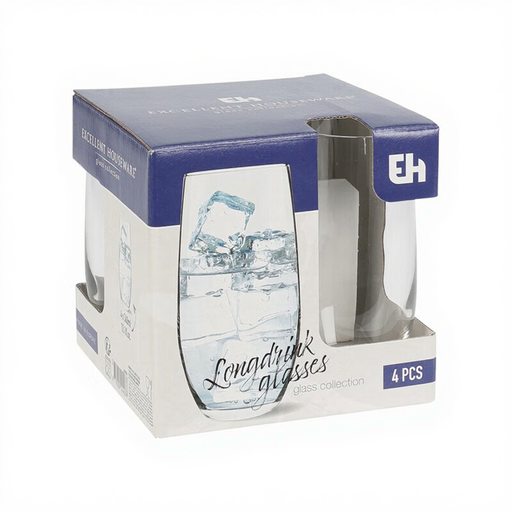
Why this product is a good fit: This set is designed for daily use. With a 360 ml capacity, it is ideal for water, juices, or spritzers. The simple design and robust construction make it an uncomplicated companion for families and everyday life.
It bypasses the myth of the universal glass by clearly positioning itself as a functional everyday glass, without claiming to be optimised for special drinks like wine. It is an honest product for a clear purpose.
The set offers excellent value for money for a functional and versatile glassware set made from standard glass.
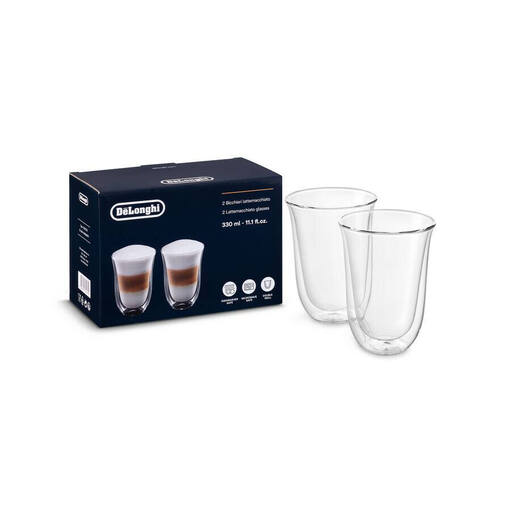
Why this product is a good fit: For lovers of hot beverages like latte macchiato, cappuccino, or tea, temperature is crucial. These glasses are specifically designed to retain temperature while remaining comfortable to hold.
These glasses solve the problem of material blindness. They are made of double-walled borosilicate glass, whose thermal properties are specifically designed for hot and cold drinks. Here, you are paying for a concrete function, not just for looks.
The insulating function keeps drinks at the desired temperature for longer and prevents condensation and burnt fingers.
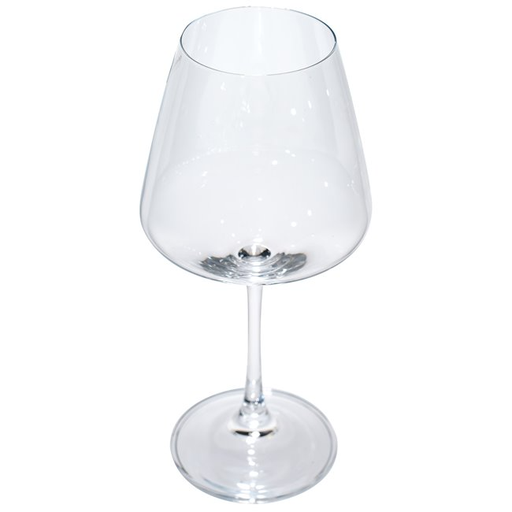
Why this product is a good fit: For hosts who value a stylish presentation, choosing the right wine glass is crucial. This glass, made from Crystalline material, offers high brilliance and a shape designed to enhance the wine's aromas.
This glass debunks the myth of the universal glass. It is a specialist: its bulbous shape and narrow chimney are deliberately designed for the wine experience. It demonstrates that a specific shape offers real added value.
The Crystalline glass provides exceptional clarity and brilliance, while the shape supports the development of the wine's aromas.
We have compiled a complete, up-to-date list of products that fully meet these strict selection criteria and all relevant safety standards.
1. Why do my glasses get cloudy in the dishwasher? The milky cloudiness, also known as glass corrosion, is irreparable damage to the glass surface. It is caused by a combination of excessively high temperatures, aggressive detergents, and hard water. To prevent this, you should select a gentle or glass cycle with a low temperature (below 55°C), avoid overloading the machine, and use high-quality detergent and rinse aid.
2. What is the exact advantage of double-walled glasses?Double-walled glasses, or thermal glasses, have an insulating layer of air between the inner and outer walls. This has three benefits: hot drinks stay hot longer, cold drinks stay cold longer, and the external temperature of the glass always remains comfortable. Furthermore, no condensation forms on the outside with cold drinks.
3. Can any glass be used for both hot and cold drinks? No. Standard soda-lime glass is susceptible to thermal shock and can shatter with rapid, extreme temperature changes (e.g., from the refrigerator to hot water). Only glasses made of borosilicate glass, like most double-walled glasses, are designed for safe use with both hot and cold liquids. Always check the manufacturer's specifications.