
Lieferung heute & morgen

Qualitätsgarantie

Willkommens-Angebote freischalten: KOSTENLOSE Lieferung | Bis zu 80 % RABATT | Kostenlose 30-Tage-JoyPlus-Testphase
App herunterladen
Whether you need water glasses for everyday use, wine glasses for dinner or cocktail glasses for a celebration, your drinking glasses should suit the beverage, how they will be used and the storage space available. Attractive looks alone reveal little about everyday practicality, cleaning requirements or the risk of breakage. Comparing products carefully helps you avoid unsuitable purchases and find the right glassware set for your home, events or professional use.
The measurement in millilitres indicates the maximum volume, not necessarily the appropriate amount to serve. A 400 ml glass can be practical for water or iced tea, but may look oversized for a small espresso. For aperitifs, spirits and desserts, smaller glasses holding around 6 to 13 cl are often more suitable.
Wine glasses should also leave enough room for the aromas and a moderate fill level. A large glass is not automatically suitable for every type of wine. For everyday use, 160 to 300 ml may be sufficient, while larger models are generally intended for specific serving occasions.
Shatter-resistant plastic glasses or models specifically designed to be more impact-resistant can reduce the risk of broken glass and splinters. However, their performance still depends on the material, temperature, type of impact and care. Even glassware with a robust construction can be damaged if dropped or knocked.
When buying PP or plastic products, check whether they are suitable for hot drinks. According to the product description, the set of 20 faceted plastic cocktail glasses is intended for cold drinks. For hot drinks, choose coffee cups, tea glasses or double-walled glasses specifically designed for that purpose instead.
Gold or brass coatings can make cleaning more demanding. The MyGift wine glass set recommends hand washing with a mild detergent and advises against abrasive cleaners. Hand washing can also help protect the coating on gold-coloured champagne glasses, even if the product is described as dishwasher-safe.
Before buying, make sure you know whether your household, café or bar can wash the glasses by hand regularly. In high-volume settings, simple shapes and hard-wearing surfaces are often more practical from an organisational perspective.
Clear glass shows off the colour of the drink and complements a wide range of table settings. Depending on the product, it can be suitable for water, juice, wine or spirits. The manufacturer's instructions should always be followed, particularly when using hot liquids.
Ceramic and stoneware are commonly used for coffee cups and tea cups. The YumiPLUS ceramic mug holds around 282 ml, has a handle and is described as microwave- and dishwasher-safe. Avoid exposing it to sudden temperature changes, such as moving it directly from the freezer to the microwave.
Double-walled borosilicate glass is often offered for both hot and cold drinks. Its construction can reduce heat transfer to your hand and condensation on the surface. The 280 ml double-walled glass set is described as suitable for coffee, tea and other drinks. Even so, always follow the specific care and temperature instructions for the individual product.
PP plastic is lightweight and suitable for families, outdoor areas or events where dropped glassware could be a problem. However, the material specification alone does not confirm whether a product is suitable for hot liquids or food contact.
The footprint matters too. Particularly for families, hospitality businesses and frequent serving, glasses should stand securely, be easy to grip and store efficiently.
A glassware set containing four to six pieces is a practical starting point for many households. Restaurants, cafés, bars and hotels should consider larger quantities, as well as information about packaging and professional use. Small verrines or 10 cl glasses may serve a different purpose in aperitif sets and buffets than traditional water glasses.
Also check:
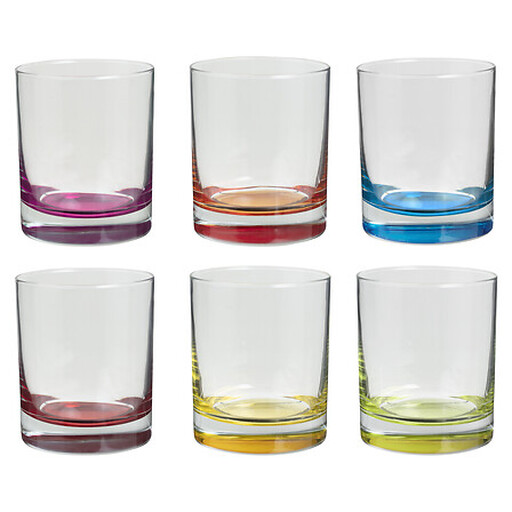
Why this product suits the profile: The six-piece set includes six colours, with each glass holding 30 cl. This makes it easy to distinguish between water glasses and juice glasses in everyday family life.
The clearly stated set size, material and capacity prevent you from buying based on appearance alone. According to the description, the product is intended for cold drinks.
Six glasses, 30 cl per glass, colour coding and compact dimensions of approximately 7.9 cm in diameter and 9.3 cm in height.
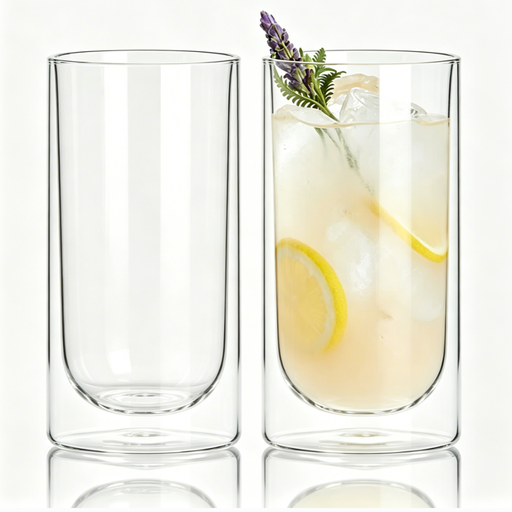
Why this product suits the profile: The double-walled construction and 280 ml capacity appeal to buyers who want to serve coffee, tea and cold drinks in the same type of glass.
The product description specifies the material, double-walled design and suitability for hot and cold drinks. This makes it easier to assess its function than when relying on design claims alone.
Two glasses, 280 ml capacity, double-walled heat-resistant glass and, according to the description, easy cleaning.
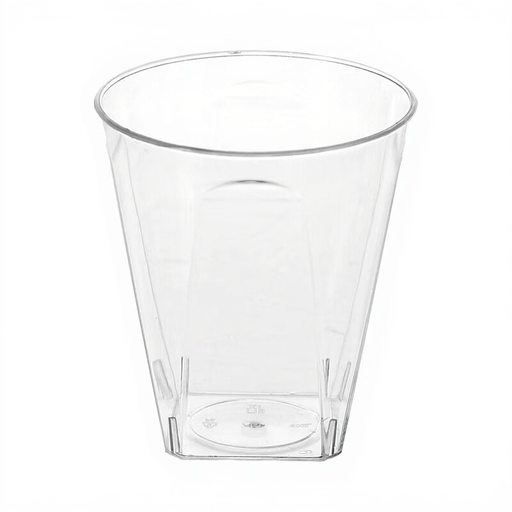
Why this product suits the profile: The pack of 20 and plastic construction are designed for parties, outdoor areas, high-volume bars or events where there is an increased risk of breakage.
The product description explicitly states that the glasses are intended for cold drinks. This helps prevent you from using a plastic glass for coffee, tea or other hot liquids without checking its suitability.
20 reusable plastic glasses with a 6 cl capacity, low weight and a faceted design for cocktails, shots and small cold drinks.
We have put together a complete, regularly updated list of products that fully meet these strict selection criteria and the safety regulations applicable in the EU.
Glasses holding around 24 to 30 cl are versatile for water, juice and soft drinks. Households with children or those who frequently host outdoor events may also wish to choose shatter-resistant plastic glasses. Hot drinks require coffee cups, tea glasses or heat-resistant double-walled glasses specifically designed for that purpose.
Their lifespan depends on the material, wall thickness, washing temperature, storage and handling. Glasses should not be allowed to knock against one another when stored loosely, and damaged pieces should no longer be used. Hand washing can help protect the surface of coated wine and champagne glasses. Without specific manufacturer information, it is not possible to give a reliable general lifespan.
It depends on the model. The term “double-walled” alone does not confirm that a glass is microwave- or dishwasher-safe. Check the manufacturer's information before buying and before using the glass for the first time. Pay particular attention to instructions about temperature changes, maximum heat and cleaning.