
Lieferung heute & morgen

Qualitätsgarantie

Willkommens-Angebote freischalten: KOSTENLOSE Lieferung | Bis zu 80 % RABATT | Kostenlose 30-Tage-JoyPlus-Testphase
App herunterladen
Drinking glasses are part of every household’s basic equipment. Even so, unclear capacity information, delicate materials or unsuitable lids often lead to disappointing purchases. If you are looking for water glasses, a glass set, a drinking cup or a glass water bottle, you should therefore consider more than just design and price.
A measurement such as “54 ml” sounds like a small water glass. However, for the Lina Water Glass 54ml, the technical specifications refer to 54 cl or 540 ml. Before buying, it is worth checking the complete specification:
The capacity should suit how you intend to use the glass. For the dining table, 400 to 450 ml is often a convenient size, while a 500 ml cup provides more liquid for the workplace or longer periods between refills.
Standard soda-lime glass and crystal glass are not automatically suitable for hot drinks. The technical specifications for the Lina and Selenga glasses explicitly state that they are not intended for boiling water, microwaves or ovens. Sudden temperature changes of more than 60 °C can cause stress and breakage.
For coffee, tea or hot chocolate, a coffee mug, teacup or explicitly heat-resistant double-walled glass is therefore a better choice. Even with borosilicate glass, you should follow the specific manufacturer’s instructions.
A glass cup with a lid and straw can be practical for children, smoothies or use at your desk. However, it is important to know whether the lid is intended merely to prevent splashes or to seal the cup for transport. For products with plastic lids, you should also check:
A glass drinking vessel remains breakable. For young children, supervised use is advisable, particularly with glasses without a protective sleeve.
Soda-lime glass is transparent and suitable for water, juice, iced tea and soft drinks. However, it should not be exposed to boiling liquids or sudden, significant changes in temperature.
Crystal glass offers a clear, decorative appearance. The Atmosphera Selenga Crystal Water Glass has a stated capacity of 450 ml and, according to the product details, is dishwasher-safe. The same applies here: not every clear or glossy type of glass is suitable for microwave or oven use.
Borosilicate glass is often used for water bottles, travel cups and drinking cups with lids. It is designed to withstand temperature changes where the specific product expressly states this. A general claim covering all borosilicate glass products would not be reliable.
The shape affects ease of handling, stability and the amount of space needed in your kitchen cupboard. Tall, slim water glasses create a subtle look on a laid table, but require a secure surface. Wider drinking cups are often easier to grip.
The following guidelines may help you choose:
When choosing cocktail glasses, you should consider height, diameter and washing instructions as well as capacity.
“Dishwasher-safe glasses” are convenient, but there are still a few limitations to bear in mind. Harsh detergents and very high temperatures can gradually make the surface cloudy. A glassware programme or a lower temperature reduces the strain. Damaged glasses with cracks, chips or deep scratches should no longer be used.
For glass water bottles and travel cups, the seals, threads and lid components are also important. These parts should be allowed to dry completely so that residue does not collect in hard-to-reach areas.
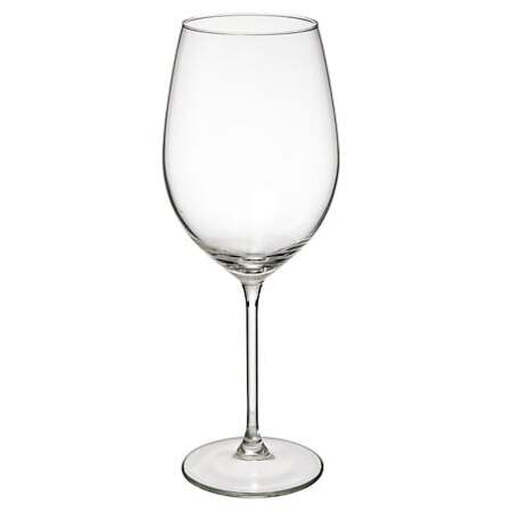
Why this product suits this profile: This transparent water glass has a stated capacity of 54 cl or 540 ml, making it suitable for water, juice, iced tea and soft drinks for everyday use or with meals.
The technical specifications clearly state the volume as 54 cl and 540 ml. The guidance on microwave use, ovens and thermal shock is also clearly provided.
540 ml capacity, transparent soda-lime glass and dishwasher-safe according to the product details.
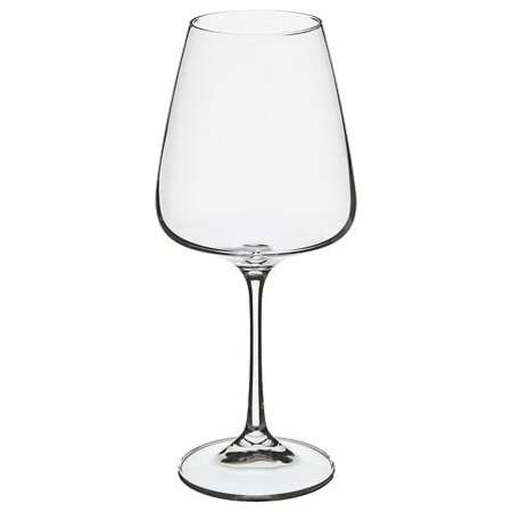
Why this product suits this profile: With a capacity of 450 ml, this glass combines a slim shape with a crystal-clear appearance, making it suitable for both everyday and more formal table settings.
The product details clearly distinguish between the type of glass and its usage limitations. This model is not intended for microwave or oven use, or for boiling water.
450 ml capacity, crystal glass and dishwasher-safe according to the product information.
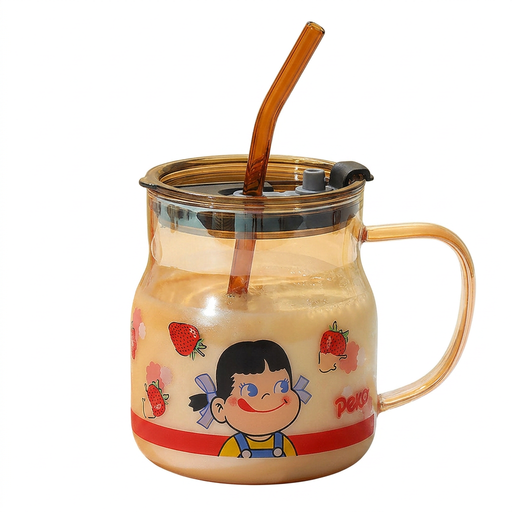
Why this product suits this profile: This 500 ml drinking cup with lid and straw is designed for water, milk, juice and smoothies at breakfast or throughout the day.
The capacity is stated as 500 ml. The lid and straw are listed as included; however, you should still check the seal before transporting the cup.
Borosilicate glass, 500 ml capacity, plus a lid and straw for controlled use.
We have put together a complete, regularly updated list of products that fully meet these strict selection criteria and the safety regulations applicable in the EU.
For coffee and tea, choose vessels that are specifically stated to be suitable for hot drinks. The STAUB Ceramic Lemon Cup, 500 ml is made from ceramic and, according to the product details, is suitable for microwave, oven and dishwasher use. It can be used in the oven at temperatures of up to 300 °C. The handle and vessel become hot when heated, so suitable oven gloves are required.
If you are looking for a double-walled glass, the Secret De Gourmet Double-Wall Tumbler Glass Clear 400ml is a model with a handle for hot and cold drinks. According to the product description, it is dishwasher-safe but is not intended for microwave or oven use.
For commuting, a glass water bottle with a capacity of 500 ml, carrying strap and thermal sleeve can be practical. With the “Random Selection” bottle, one of four colour options is supplied, so the specific colour cannot be selected. For travel, you should also check whether the closure is leakproof and how the bottle can be protected during transport.
Around 400 to 450 ml is often sufficient for meals. If you prefer to refill less often or need a vessel for your desk, you can choose 500 to 540 ml. Cupboard height, weight and the available surface area are also important considerations.
No. The specific product information is the deciding factor. Some models are expressly dishwasher-safe, while the Blue Hawaii cocktail glasses should only be washed by hand. Gentle programmes and avoiding harsh detergents can help extend their service life.
A glass water bottle or a travel cup with a suitable closure is designed for mobile use. With glass products, you should check the carrying sleeve, lid seal and protection against breakage. A glass cup with a straw, on the other hand, is better suited to breakfast, the office or supervised use unless reliable leak resistance for transport is specified.