
Lieferung heute & morgen

Qualitätsgarantie

Willkommens-Angebote freischalten: KOSTENLOSE Lieferung | Bis zu 80 % RABATT | Kostenlose 30-Tage-JoyPlus-Testphase
App herunterladen
Whether for the breakfast table every day, an afternoon cappuccino or a garden party, drinking glasses need to suit the drink, how they will be used and the cleaning involved. Not every glass set is automatically practical for everyday use. Some products are advertised with a particularly elegant look, even though the material, capacity or care instructions are not suitable for the intended purpose.
Transparent plastic cups can look like classic water glasses in photographs. The difference only becomes clear in the material details: polystyrene, polypropylene and glass all have different properties. Plastic is often lighter and practical for outdoor events. However, its temperature resistance, scratch resistance and dishwasher suitability may be limited.
An 10-cl glass is more suitable for espresso, aperitifs or small accompaniments than for a large soft drink. Conversely, a 500-ml glass can seem impractical for a short espresso. Before buying, you should therefore be clear whether the drinking glass is intended for water, juice, cold brew, wine, cocktails or hot drinks.
A description such as “dishwasher safe” refers to the recommended cleaning method. It does not automatically mean unlimited service life. Harsh detergents, high temperatures and frequent temperature changes can gradually cloud glass surfaces. Care instructions are particularly important for delicate or double-walled glasses.
Borosilicate glass is often used for coffee glasses, espresso glasses and double-walled glasses. It is designed for contact with hot and cold drinks, but extreme temperature changes should still be avoided. Filling a glass straight from the freezer with boiling water can cause stress, even when the material is temperature-resistant.
Classic glass is suitable for water glasses, wine glasses, whisky glasses and cocktail glasses. For professional use in restaurants, cafés or hotels, consistent dimensions, a suitable capacity and straightforward cleaning are important.
PS or PP can be a sensible choice for parties, camping and outdoor events. The Estiva PS Tumbler holds 380 ml, weighs 0.055 kg and is described as impact-resistant in the product information. However, it is a plastic cup, not a glass. The 4-piece set of 160-ml wine glasses is made from PP and is described as shatterproof. Products like these are an alternative when falling glasses pose a significant risk.
The following guidelines can help you choose:
The diameter and height should also be taken into account. Tall glasses need more space in the kitchen cupboard and will not fit in every dishwasher. For glasses with handles, the width of the handle is another relevant factor.
Check the following details before buying:
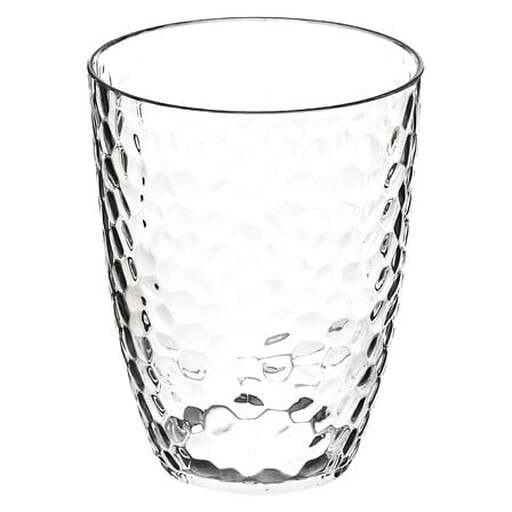
Why this product suits this profile: The transparent 380-ml plastic cup is lightweight and designed for water, juice and use indoors or outdoors.
The PS material specification makes it clear that this is a plastic cup. This prevents the glass-like appearance from being confused with the actual material properties.
380 ml capacity, transparent design, 55 g weight and impact resistance according to the product information.
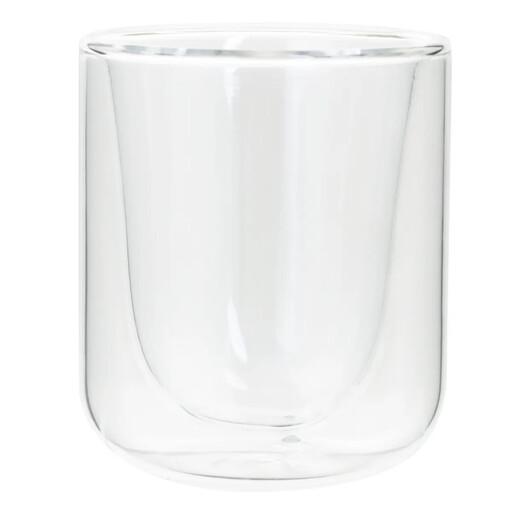
Why this product suits this profile: The 8-cl espresso glass, made from double-walled borosilicate glass, is designed for small hot drinks and a clear presentation.
The 80 ml capacity and specified material prevent the common mistake of choosing an oversized all-purpose glass for espresso.
Double-walled construction, 8 cl capacity, dishwasher- and microwave-safe according to the product information; not designed for oven use.
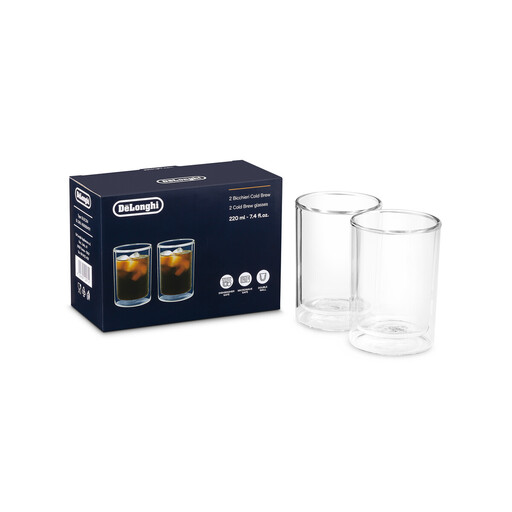
Why this product suits this profile: The 2-piece set, with each glass holding 220 ml, is intended for households and cafés serving cold brew or other chilled coffee drinks.
The stated use for cold coffee drinks and the defined capacity make it easier to choose the right product instead of relying on unclear all-purpose use.
Two glasses per set, each with a 220 ml capacity, and dishwasher-safe according to the product description.
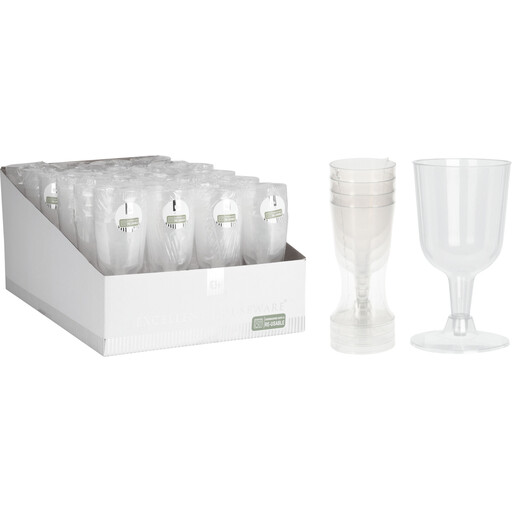
Why this product suits this profile: The 4-piece set made from transparent PP is intended for wine, garden parties, picnics and areas where there is an increased risk of breakage.
The PP material specification and reference to shatter resistance make it clear that the priority is low weight and a reduced risk of breakage.
Four pieces, each holding 160 ml, lightweight and dishwasher-safe according to the product description.
We have put together a complete, regularly updated list of products that fully meet these strict selection criteria and the safety regulations applicable in the EU.
For water and juice, glasses holding around 250 to 400 ml are usually practical. If you often eat outdoors or have children at home, you may wish to consider shatter-resistant drinking glasses made from PP or PS. For everyday use, you should also check whether the glasses are dishwasher-safe and fit in the available dishwasher compartments.
That depends on the individual product information. Double-walled borosilicate glasses are often offered for espresso, coffee or tea. However, being suitable for hot drinks does not automatically mean that a product is oven-safe. Temperature changes should always take place gradually.
Their service life depends on the material, how they are used and how they are cared for. Glass can break if subjected to impacts, scratches or thermal shock. Plastic cups are less prone to breakage in certain situations, but can be affected by scratches, discolouration or high temperatures. Careful cleaning and following the manufacturer’s instructions can help extend their useful life.