
Lieferung heute & morgen

Qualitätsgarantie

Willkommens-Angebote freischalten: KOSTENLOSE Lieferung | Bis zu 80 % RABATT | Kostenlose 30-Tage-JoyPlus-Testphase
App herunterladen
Whether you’re looking for water glasses, coffee cups or cocktail glasses, drinking glasses and cups are about more than just design. Capacity, material, temperature resistance and cleaning requirements all affect how practical a product will be for everyday use. If you buy based only on colour or a low-priced set, you could miss important details.
This buying guide explains what households, offices, hosts and hospitality buyers should look out for. We’ll then introduce a selection suited to different needs.
A product description may say an item can be cleaned in the dishwasher, while the care instructions still recommend hand-washing. This is often the case with decorated, tinted or textured surfaces. Over time, harsh detergents, high temperatures and friction can cause cloudiness or make the decoration fade.
So, check:
Ordinary soda-lime glass is generally suitable for cold or moderately warm drinks, but not for boiling water or sudden changes in temperature. A glass can break if you pour in a hot drink straight after taking it from a cold environment.
For coffee, tea and hot chocolate, ceramic cups or vessels specifically designed for hot drinks are often a better choice. Be sure to follow instructions such as “not suitable for microwave or oven use”.
A set of drinking glasses with six glasses is useful for a household with several people, but it takes up more storage space. Small tumbler glasses holding around 240 to 300 ml are suitable for water, juice and short mixed drinks. Highball glasses with a capacity of around 300 ml or more leave room for ice and longer drinks.
Cup capacities vary considerably depending on what you’ll use them for:
Soda-lime glass is transparent, doesn’t affect the taste of drinks and is versatile. However, it is fragile and shouldn’t be exposed to boiling liquids or sudden temperature changes.
Ceramic and stoneware retain heat better and are suitable for coffee cups, tea cups and hot chocolate. A glazed finish makes them easier to clean. Check each model’s details to see whether it is suitable for microwave or dishwasher use.
Plastic glasses are lightweight and a good option for the garden, balcony, picnics or events. Don’t take the term “shatter-resistant” to mean indestructible: even impact-resistant plastic glasses can be damaged by heavy knocks. The plastic cocktail glasses featured here are recommended for hand-washing and are not suitable for microwave or dishwasher use.
Look for specific temperature limits. A model with a stated range of 0 to 80 °C isn’t necessarily suitable for boiling water. Similarly, “dishwasher-safe” doesn’t mean every programme or detergent is equally suitable.
For microwave-safe cups, follow these additional guidelines:
A low, wide tumbler is usually more stable than a tall, narrow glass. A large cup handle can make a cup easier to hold when you use it frequently. Stackable shapes, an even rim and easy cleaning are also important for offices and hospitality settings.
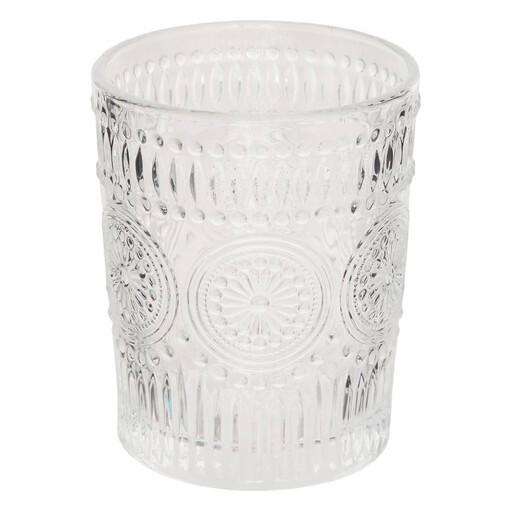
Why it suits this profile: This transparent glass has a capacity of 300 ml, making it suitable for everyday favourites such as water, juice and soft drinks. Its low shape makes it easy to use and stable on the table.
The temperature range is stated as up to 80 °C. The guidance also specifically warns against boiling liquids and sudden changes in temperature.
300 ml capacity, transparent soda-lime glass and stated dishwasher suitability.
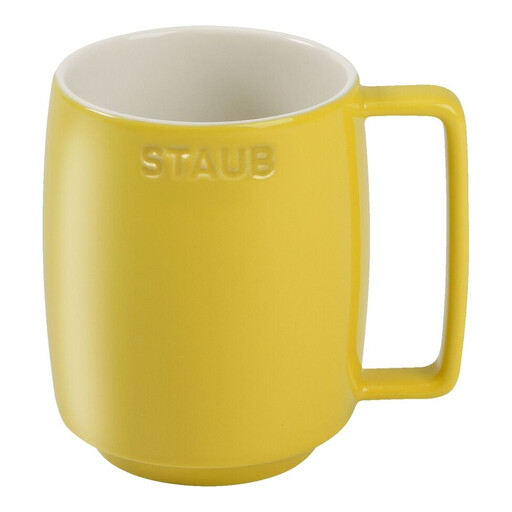
Why it suits this profile: This ceramic cup is designed for coffee, tea, hot chocolate and individual oven dishes. Its 475 ml capacity gives you plenty of room for a large hot drink or a serving of soup.
It is stated as suitable for microwave, oven and dishwasher use. Even when heating it to 300 °C, you’ll still need oven gloves and should let it cool down gradually.
Ceramic, an ergonomic handle, 475 ml capacity and a stackable design.
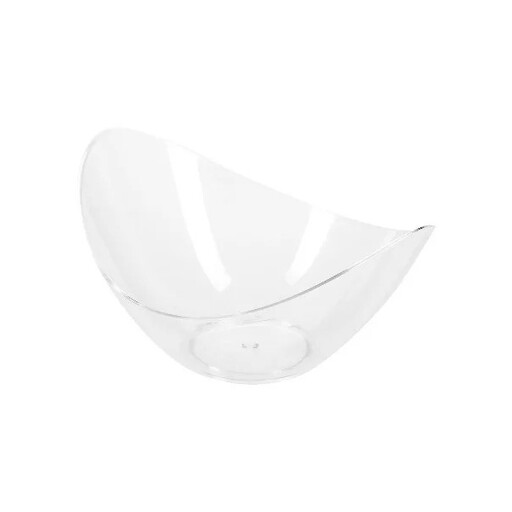
Why it suits this profile: This 16-piece set is designed for parties, events and outdoor use. Its low weight makes it easy to transport and serve.
The material is described as impact-resistant and reusable. The care instructions also specify hand-washing and say not to use a microwave or dishwasher.
16 glasses, 70 ml per glass, reusable plastic and a flared shape for cocktails or desserts.
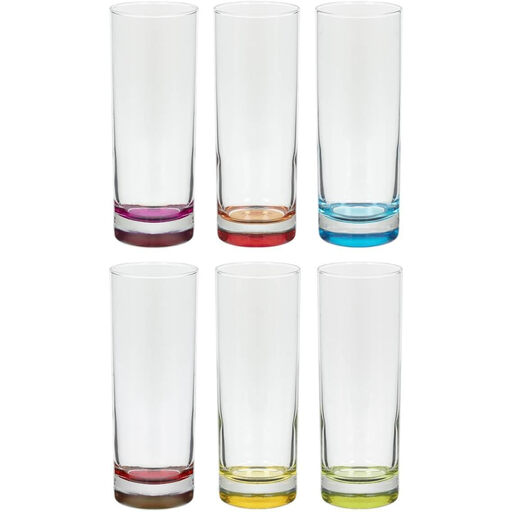
Why it suits this profile: Six glasses, each holding around 310 ml, are suitable for water, soft drinks and cocktails when entertaining or for use in the office.
The set size and capacity are clearly stated. The glasses are dishwasher-safe, but are not listed as freezer-safe.
Set of six, 310 ml per glass, a tall shape measuring around 16.5 cm and dishwasher suitability.
We’ve put together a complete, regularly updated list of products that meet these strict selection criteria and fully comply with the safety regulations in force in the EU.
For water, juice and soft drinks, water glasses holding around 250 to 400 ml are practical. A low tumbler usually has a stable base. For households with several people, a set of four or six glasses is easier to add to than individual, unusual shapes.
No. Manufacturers’ guidance varies depending on the material, decoration and model. Some glasses are specifically listed as dishwasher-safe, while tinted or decorated versions may need to be washed by hand. Before buying, check the care instructions for the specific product.
Ceramic cups with the relevant manufacturer’s instructions are often suitable for reheating. This doesn’t automatically apply to every glass, handle or decorative finish. A microwave-safe cup should never be heated empty, and it may be very hot after heating.