
Lieferung heute & morgen

Qualitätsgarantie

Willkommens-Angebote freischalten: KOSTENLOSE Lieferung | Bis zu 80 % RABATT | Kostenlose 30-Tage-JoyPlus-Testphase
App herunterladen
Whether you’re looking for everyday water glasses, tumblers for cocktails or double-walled thermal glasses for coffee and tea, there’s a huge choice of drinking glasses. But design isn’t the only thing that matters. Capacity, temperature range, material and cleaning requirements all determine whether a glass will suit your household in the long term.
Many disappointing purchases come down to three common pitfalls:
For water, juice and soft drinks, 250 ml to 300 ml glasses are a practical choice for many households. A 250 ml glass is ideal for smaller servings, while a 30 cl glass leaves more room for ice cubes or mixed drinks.
Short drinking glasses, also known as low tumblers or short tumblers, usually have a wide base and a compact height. This can be useful on the dining table, at your desk or on a tray. Highball glasses, by contrast, are taller and narrower. They hold more liquid and are often suitable for drinks with ice, juice or lemonade.
Also consider:
Soda-lime glass is often used for classic water glasses and tumblers. It’s suitable for cold and lukewarm drinks, but isn’t automatically heat-resistant. A glass with a stated temperature range of 0 °C to 60 °C or 80 °C shouldn’t be filled with boiling water. Sudden changes in temperature can cause stress and lead to breakage.
For glasses designed for hot and cold drinks, borosilicate glass or models specifically described as thermal glasses are worth considering. Double-walled glasses have an insulating space between the two layers of glass. Even so, always follow the manufacturer’s instructions. “Double-walled” doesn’t automatically mean a product is suitable for the oven, microwave or every temperature.
When choosing dishwasher-safe glasses, read the care instructions in full. Some models are suitable for the dishwasher but recommend a gentle or low-temperature cycle. Coloured coatings and decorative patterns can lose their shine if cleaned with abrasive products.
Hand-washing is particularly worthwhile for:
Check drinking glasses for cracks, chips and deep scratches before each use. Damaged glasses should no longer be used.
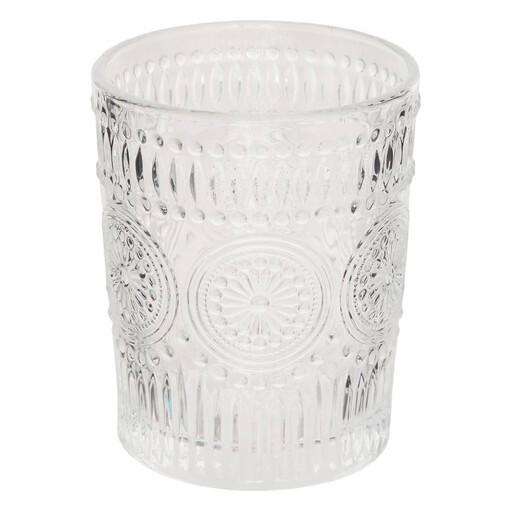
Why it suits this profile: This transparent drinking glass holds 300 ml and is suitable for water, juice, soft drinks and cold cocktails. Its compact shape is ideal for everyday meals and casual get-togethers.
The capacity is clearly stated as 30 cl or 300 ml. The temperature range of 0 °C to 80 °C is also specified, so the glass isn’t intended for boiling liquids.
300 ml capacity, a low-profile shape and stated dishwasher suitability. Hand-washing is recommended to keep the glass clear.
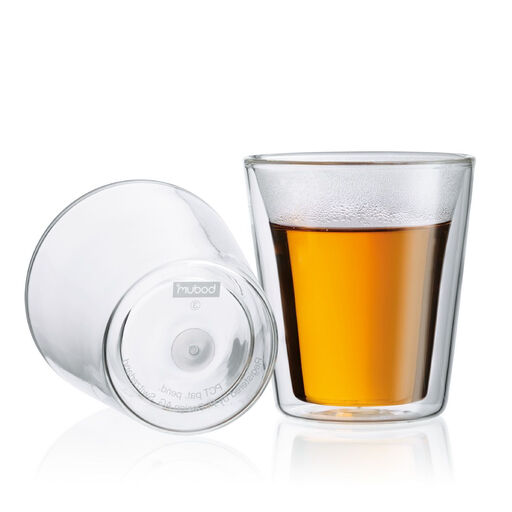
Why it suits this profile: This set of six double-walled borosilicate glasses is a great choice for buyers looking for a coordinated look and glasses for both hot and cold drinks.
The product description clearly states the material, set size and double-walled design. This makes it easier to distinguish from standard soda-lime glasses intended for cold drinks.
Six glasses, each with a 0.2 l capacity, featuring a double-walled design, borosilicate glass and dishwasher suitability according to the product information.
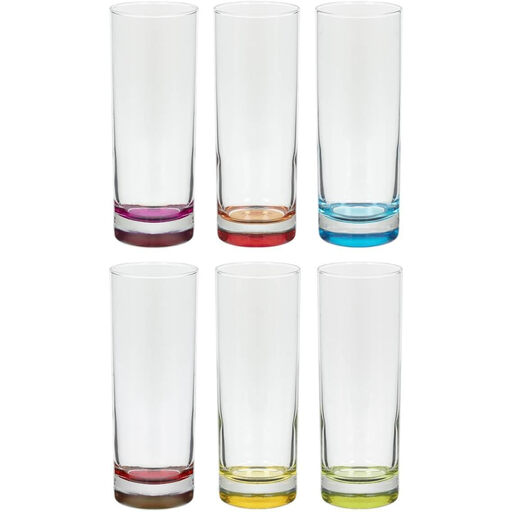
Why it suits this profile: This glass set contains six highball glasses, each with a capacity of around 310 ml. It’s ideal for households, offices or hosts who need several matching glasses.
The pack size and 310 ml capacity are clearly stated. Dishwasher suitability also means less hand-washing for everyday use.
Set of six, 310 ml per glass, approximately 16.5 cm tall and dishwasher-suitable according to the product details.
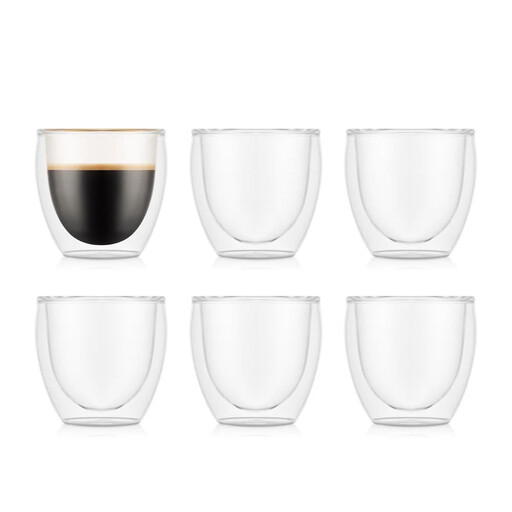
Why it suits this profile: The small capacity is ideal for espresso, liqueur, whisky or desserts. This set is designed for anyone looking for short glasses for compact servings.
The small size is clearly stated, so you won’t mistake it for a full-sized water glass.
Set of six, each with an 80 ml capacity and a double-walled design for small servings.
We’ve put together a complete, regularly updated list of products that meet these strict selection criteria and fully comply with the safety regulations in force in the EU.
For water, juice and soft drinks, 250 ml to 300 ml is often a practical size. 30 cl glasses offer extra room for ice cubes. For smaller servings or short drinks, 80 ml to 100 ml may be enough.
It depends on the material and the manufacturer’s guidance. Double-walled thermal glasses made from borosilicate glass are often designed for hot and cold drinks. Even so, check the temperature range, microwave instructions and any warnings about sudden temperature changes.
For dishwasher-safe glasses, use a gentle cycle and avoid contact with metal cutlery. Coloured or decorated glasses are best washed by hand with a soft sponge. Store drinking glasses upright and avoid stacking them inside one another unless the manufacturer specifically recommends it.