
Lieferung heute & morgen

Qualitätsgarantie

Willkommens-Angebote freischalten: KOSTENLOSE Lieferung | Bis zu 80 % RABATT | Kostenlose 30-Tage-JoyPlus-Testphase
App herunterladen
If you want to buy glasses, you’ll find a wide selection of drinking glasses, wine glasses, double-walled glasses and cocktail glasses. Product images can often look very similar, but capacity, materials and care instructions vary considerably. The intended use should therefore guide your choice more than eye-catching design.
Not every glass advertised for hot drinks is automatically suitable for boiling water, microwaves or sudden temperature changes. Borosilicate glass generally offers greater resistance to thermal shock than ordinary glass. However, you should always follow the relevant manufacturer’s instructions.
The Atmosphera Selenga wine glass is one example. It is made from crystalline glass and, according to the product information, is not designed to be heat-resistant. A sudden temperature change of more than 60 °C or boiling water may cause damage.
A glass with a capacity of 350 ml will not necessarily be filled to the brim. Wine glasses need space so that aromas can develop. With espresso or liqueur glasses, on the other hand, a large volume is impractical because the drink loses heat quickly.
You should therefore check the following before buying:
Many dishwasher-safe glasses can be cleaned in a dishwasher. However, harsh detergents, high temperatures and frequent washing can affect transparency, decoration or metallic coatings. For delicate wine glasses and glasses with metallic elements, hand-washing is often the gentler option.
For everyday drinking glasses, ordinary glass is often sufficient. Crystalline glass is used for its clarity and light-reflecting qualities, but is not automatically suitable for hot drinks. Borosilicate glass is often used for double-walled glasses and thermal glasses. The double wall creates an insulating layer of air, which can make the outside more comfortable to hold with hot or cold drinks.
Important: a double wall does not replace a full safety check. You should also look for information on microwave and oven use, temperature limits and dishwasher suitability.
Before using a glass for the first time, check it for cracks, chips or scratches. Damaged glasses should no longer be used. With double-walled models, the insulating construction must not be damaged by knocks. Stemmed glasses should be held by the stem or lower part of the bowl, while coated models do not require abrasive sponges.
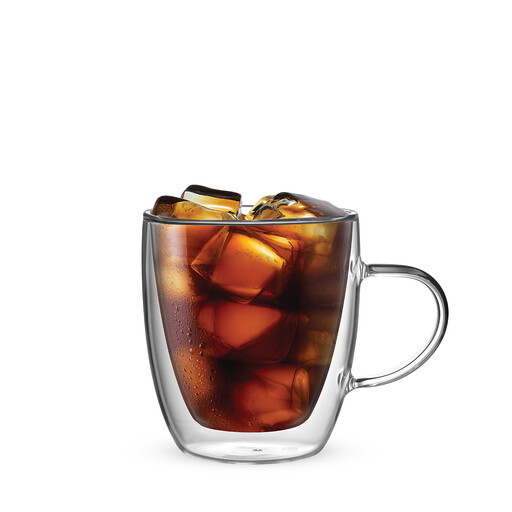
Why this product suits the profile: With two glasses, each holding 350 ml, this set is ideal for households looking to cover hot and cold drinks with just a few glasses.
The product details specify the material, capacity, double-wall construction and a specific microwave limit of up to 160 °C for a maximum of three minutes.
Borosilicate glass, double-walled construction, a capacity of 350 ml and dishwasher suitability according to the product description.
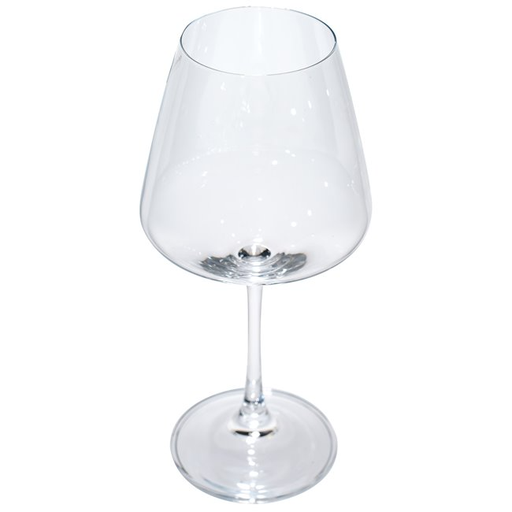
Why this product suits the profile: This single 36 cl wine glass is aimed at shoppers looking to complete a formal table setting or add to an existing collection.
The product description explicitly states that the crystalline glass is not heat-resistant and should not be used in a microwave or oven.
Transparent crystalline glass, a capacity of 36 cl, a height of 20.6 cm and dishwasher suitability according to the product details.
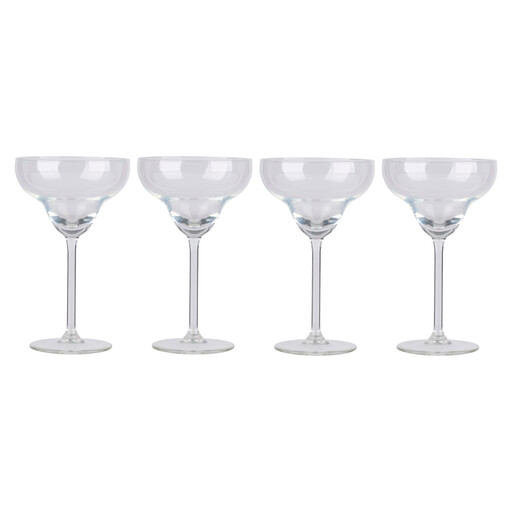
Why this product suits the profile: With four glasses, each holding 250 ml, this set is designed for cocktail evenings, parties and equipping a home bar.
Its clear classification as a cocktail glass and uniform set of four avoid an unsuitable mix of different shapes and sizes.
Four transparent glasses, each holding 250 ml, with a classic shape for Margaritas and other mixed drinks.
We have put together a complete, regularly updated list of products that fully meet these strict selection criteria and the safety regulations applicable in the EU.
Double-walled glasses, thermal glasses and borosilicate glasses are often suitable for coffee or tea. The decisive factors are the manufacturer’s specific instructions on temperature, microwave use and dishwasher suitability. An ordinary wine glass or crystalline glass should not be filled with boiling water unless it has been expressly approved for this purpose.
Their lifespan depends on the material thickness, use, cleaning and storage. Cracks, chips and deep scratches are safety reasons to replace a glass. Glasses should not be stacked inside one another if this puts pressure on the rim. With stemmed glasses, you should also take particular care around the join between the stem and bowl.
A glass set can be more economical and provide a more consistent look when you need several glasses. Buying individually makes sense if you only need a replacement glass or want to add a particular wine glass. As well as the price per item, compare the capacity, care instructions and the number of glasses you actually need.