
Lieferung heute & morgen

Qualitätsgarantie

Willkommens-Angebote freischalten: KOSTENLOSE Lieferung | Bis zu 80 % RABATT | Kostenlose 30-Tage-JoyPlus-Testphase
App herunterladen
A drinking glasses set should be practical for everyday use, serve your guests and be easy to clean. Yet product descriptions don’t always make it easy to choose the right set. They often highlight decorative designs, large capacities or the claim ‘dishwasher-safe’, while important details are tucked away in the small print.
A 30 cl glass has a nominal capacity of 300 ml. Fill it to the brim, though, and there’s hardly any room left for ice, a garnish or pouring comfortably. For water, juice and soft drinks, 30 cl to 35 cl glasses are usually versatile enough for everyday use. If you’d like to serve larger portions or long drinks, choose a model with a capacity of 36 cl or more.
The label dishwasher-safe drinking glasses indicates that a glass is generally suitable for the dishwasher. However, harsh detergents, high temperatures and frequent wash cycles can still cause cloudiness, scratches or fading decoration. Care instructions are therefore especially important for coloured or engraved glasses.
Tall, narrow long drink glasses need more care on small tables than wide tumblers. Ordinary drinking glasses are not automatically heat-resistant, either. A glass designed for cold or room-temperature drinks shouldn’t be filled with boiling water or exposed to sudden changes in temperature.
Water glasses with a capacity of 30 cl or 31 cl are often a good choice for everyday use. They hold plenty of water, juice or soft drinks without taking up unnecessary cupboard space.
The shape affects how practical a glass is to use. Long drink glasses are tall, making them suitable for drinks with ice and mixed drinks. Wider tumblers are usually more stable and comfortable to hold. For a mixed household, a set of 4 glasses with a medium capacity can be a useful starting point.
Clear soda-lime glass is commonly used for drinking glasses. Clear drinking glasses show the colour and level of your drink, as well as any ice, at a glance. Coloured drinking glasses can add a decorative touch to your table, but some finishes need gentler cleaning.
When checking whether glasses are suitable for food contact, look for specific information from the manufacturer. Some of the models listed state that they comply with EU Regulation (EC) No 1935/2004 on materials intended to come into contact with food. This relates to their intended contact with drinks and doesn’t replace the individual care instructions.
Before buying, check that the following details are clearly stated:
Glasses with cracks, chips or deep scratches should no longer be used. Ordinary glass is fragile, so storing glasses with enough space between them helps reduce the risk of damage.
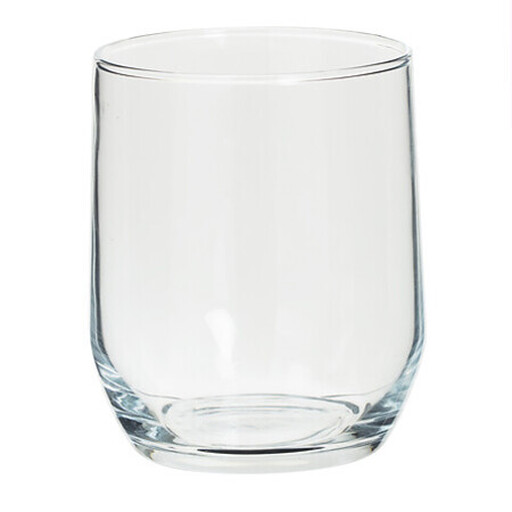
Why it suits this need: This compact glass with a wide base is suitable for water, juice, cocktails and soft drinks at home or in the office.
The product details specify a capacity of 31 cl, a diameter of 7.3 cm and a height of 9.2 cm. This makes it easier to judge the size before you buy.
Clear soda-lime glass, dishwasher-safe and, according to the product information, suitable for microwave use. Don’t pour hot liquids directly into it.
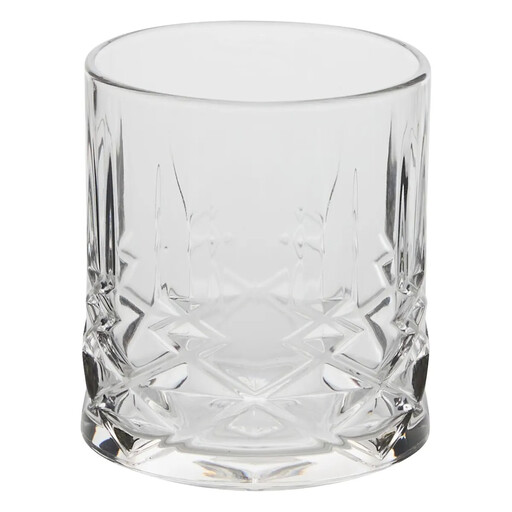
Why it suits this need: Four clear 35 cl glasses combine a practical everyday size with a low, simple shape that works well for meals and entertaining.
The number of glasses, their capacity and their suitability for cold and room-temperature drinks are all clearly stated. This helps avoid misunderstandings about how to use them.
Set of 4 glasses, each with a 35 cl capacity, and dishwasher-safe according to the product description.
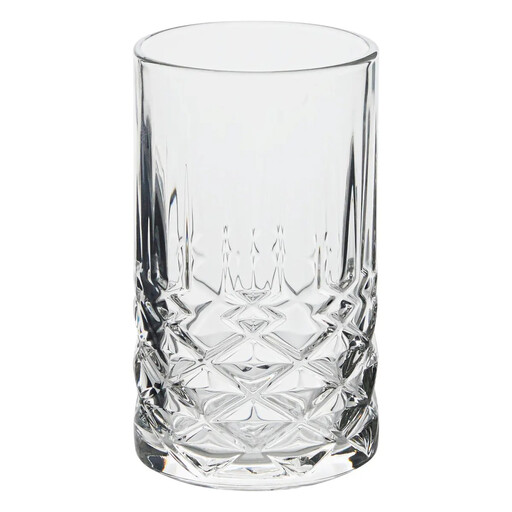
Why it suits this need: The tall shape and 36 cl capacity make these glasses suitable for water, juice, soft drinks and cocktails when entertaining or for larger households.
The product description specifically states that these glasses are suitable for cold and room-temperature drinks. Avoid hot liquids and sudden changes in temperature.
Four tall glasses made from clear glass, dishwasher-safe and with a capacity of 36 cl per glass.
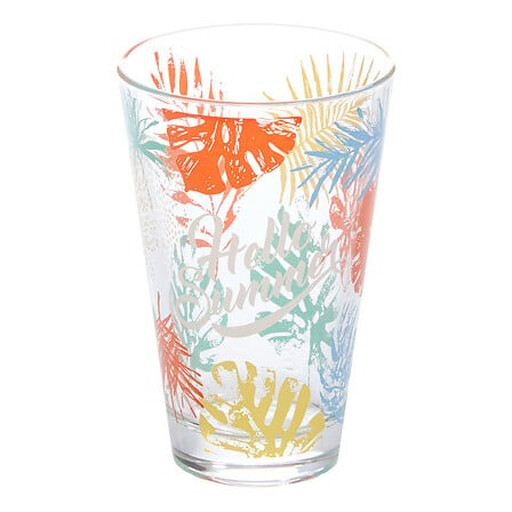
Why it suits this need: The multicoloured pattern is ideal for households looking for coloured drinking glasses for parties, summer styling or informal get-togethers around the table.
The product details specify a capacity of 31 cl, dimensions of 8 × 12.4 cm and that the glass isn’t microwave-safe. This helps you plan cupboard space and care.
31 cl capacity, glass construction, food-safe design and dishwasher-safe according to the product information.
We’ve put together a complete, regularly updated list of products that meet these strict selection criteria and fully comply with the safety regulations in force in the EU.
30 cl to 31 cl is usually practical for water, juice and soft drinks. If you’d also like to serve ice or larger portions, choose 35 cl or 36 cl glasses.
No. Check the product details for each model. Even with dishwasher-safe glasses, harsh detergents and high temperatures can alter the surface or decoration over time.
Long drink glasses are usually taller and narrower, while tumblers have a lower, wider shape. Long drink glasses offer more height for cocktails with ice and larger mixed drinks. Thanks to their wider base, tumblers are often a good choice for water, juice and compact cocktails.