
Lieferung heute & morgen

Qualitätsgarantie

Willkommens-Angebote freischalten: KOSTENLOSE Lieferung | Bis zu 80 % RABATT | Kostenlose 30-Tage-JoyPlus-Testphase
App herunterladen
Drinking glasses are a basic part of every household. Even so, unclear size specifications, delicate materials or an unsuitable intended use can quickly lead to the wrong purchase. A single glass for everyday use has different requirements from a glassware set for families, a range for the hospitality industry or special cold-brew glasses for iced coffee drinks.
The following criteria will help you compare drinking glasses objectively and choose a model that suits your household, occasion and cleaning routine.
Specifications such as 24 cl, 30 cl or 40 cl generally refer to the maximum capacity. When serving water, juice or soft drinks, some space is often left at the top. For everyday use, water glasses holding around 250 to 350 ml are practical for many households. If you want to pour larger quantities or use ice cubes, consider capacities of 380 to 400 ml.
With cocktail glasses, however, volume is not the only deciding factor. A 150 ml glass is more suitable for smaller cocktails, wine servings or spirits than for large drinks containing lots of ice.
Ordinary glass can break if knocked, dropped or exposed to sudden changes in temperature. Soda-lime glass in particular should not be confused with heat-resistant borosilicate glass. When choosing a tumbler, buyers should therefore check whether it is explicitly suitable for hot drinks.
According to the product information, the Secret de Gourmet Paol’Eau Short Tumbler is described as microwave-safe. At the same time, users are advised to avoid sudden temperature changes of more than 60 °C and not to pour boiling water directly into the glass. Guidance like this is more important than general advertising claims about durability.
Dishwasher-safe glasses save time, but suitability should be stated for the specific model. High temperatures, harsh detergents and contact between glasses can lead to clouding, scratches or chips over time. Even when a glass is confirmed as dishwasher-safe, it is advisable to leave sufficient space between items in the rack. Delicate, printed or particularly thin-walled glasses are often better washed by hand.
For families and everyday use, a matching glassware set can be the simplest solution. Hosts will often benefit from twelve identical glasses, while smaller households can manage with two to six.
Glass drinking glasses have a neutral appearance, do not affect the flavour and are transparent. However, the shape affects how practical they are for everyday use:
For plastic glasses, you should also check whether the material is intended for food contact and whether the glass is dishwasher-safe. The term “shatterproof” does not automatically indicate heat resistance or a long service life.
All drinking glasses should be washed before first use. Glasses with cracks, chips or deep scratches should no longer be used regularly. In households with children, plastic models or low glasses can be a practical addition. For hot drinks, only models whose product information explicitly permits this use are suitable. Coffee glasses and double-walled glasses should therefore be selected according to their stated temperature suitability, rather than appearance alone.
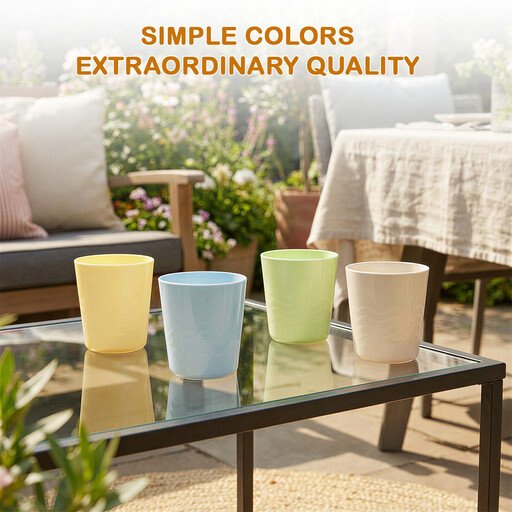
Why this product suits this profile: The set contains four plastic cups, each holding 300 ml, covering typical household uses for water and juice.
The clearly stated quantity and capacity make it easier to plan your purchase. Plastic reduces the risk of broken glass in settings where items may be handled less carefully.
Four pieces, 300 ml per cup and PP plastic according to the product information.
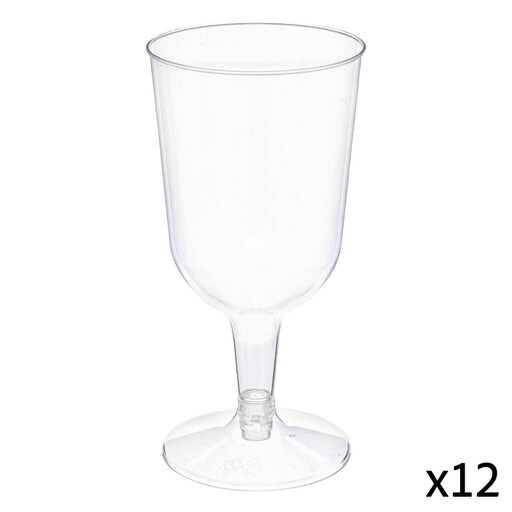
Why this product suits this profile: Hosts, bars and hospitality businesses receive twelve transparent glasses with a consistent look and a capacity of 150 ml.
The stated quantity means you will not need to combine different individual glasses at short notice for events.
12 glasses with a capacity of 150 ml; according to the product information, suitable for cocktails, wine, spirits and soft drinks, as well as for the dishwasher.
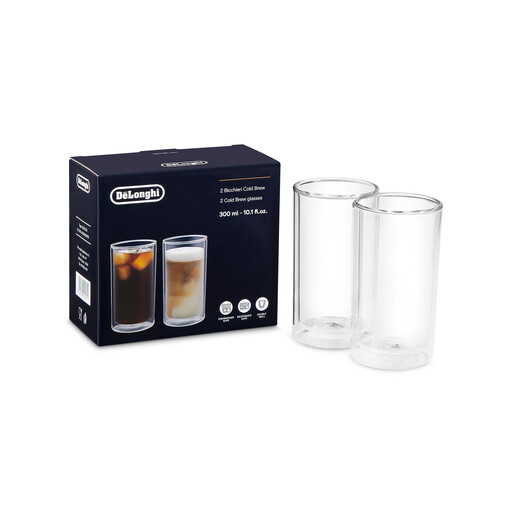
Why this product suits this profile: Two glasses, each holding up to 300 ml, are designed for iced coffee drinks and serving two people together.
The capacity is clearly stated and suits cold brew. Its stated dishwasher suitability reduces cleaning time during regular use.
Set of 2, up to 300 ml per glass and dishwasher-safe according to the product information.
We have put together a complete, regularly updated list of products that fully meet these strict selection criteria and the safety regulations applicable in the EU.
For water, juice and soft drinks, 250 to 350 ml is often sufficient. If you are planning to add ice cubes, lemon slices or larger servings, choose a model with a capacity of 380 or 400 ml. The key considerations are whether the glass feels comfortable in your hand and fits in the dishwasher.
Glass is flavour-neutral, transparent and versatile for a set dining table. Plastic drinking glasses are ideal for the garden, camping, pool areas and events where breakages should be avoided. For both materials, check the information on food contact, cleaning and temperature resistance.
There is no reliable way to specify a fixed service life. It depends on the glass thickness, frequency of use, impact, dishwasher programme and detergent. Glasses should not be placed too close together, come into contact with metal cutlery or remain in use once visible damage appears. For delicate models, hand-washing can help keep the surface clear for longer.