
Lieferung heute & morgen

Qualitätsgarantie

Willkommens-Angebote freischalten: KOSTENLOSE Lieferung | Bis zu 80 % RABATT | Kostenlose 30-Tage-JoyPlus-Testphase
App herunterladen
Whether for everyday use, a family dinner or a larger celebration, drinking glasses and wine glasses vary considerably in capacity, shape, material and care requirements. Attractive design alone says little about whether a glass is right for your household, home bar or hospitality business.
Typical buying mistakes arise from three points:
Before buying, it is therefore worth looking at the technical specifications rather than relying solely on photos or promotional design descriptions.
The capacity should suit the drink and the amount you usually serve. A water glass or juice glass holding around 24 to 30 cl is suitable for meals and everyday use. For larger servings or long drinks, 38 to 40 cl can be a sensible choice.
A wine glass is not usually filled to the brim. A red wine glass with a generous bowl provides room for swirling. A white wine glass is often somewhat more compact, as white wine is generally served in smaller portions. The key factors are not just maximum capacity, but also diameter, height and stability.
Cocktails call for different shapes:
Crystal glass, or crystalline glass, is often chosen for its clarity and way of reflecting light. According to the product specifications, the Atmosphera Selenga Wine Glass is made from crystalline glass, holds 36 cl and is suitable for contact with food. It is listed as dishwasher-safe, but must not be used in the microwave or oven.
Soda-lime glass is widely used for everyday purposes. The Secret de Gourmet Lina wine glass holds 41 cl, is made from soda-lime glass according to the product description and is also labelled as dishwasher-safe. The same rule applies here: the glass is not designed for sudden changes in temperature or boiling water.
For outdoor use, a plastic glass may be more practical. The Estiva PS Tumbler is made from polystyrene, weighs 55 g and has a capacity of 380 ml. According to the product description, it is lightweight and more impact-resistant than conventional glass. It is not intended for hot drinks, microwave or oven use.
Look for specific information such as dishwasher-safe glasses, suitable temperature ranges and storage recommendations. Even glasses labelled as dishwasher-safe can gradually lose their clarity when exposed to harsh detergents or frequent high-temperature programmes.
When choosing, bear the following in mind:
A glassware set or drinking glasses set can be more cost-effective for households and hosts than buying individual glasses. If you are looking for just one distinctive wine glass or a gift, however, you can choose a single item specifically suited to your needs.
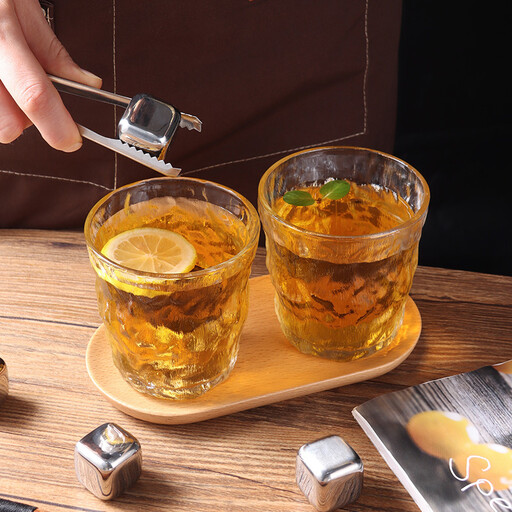
Why this product suits this profile: Two transparent glasses, each with a capacity of 300 ml, are suitable for water, juice, milk, beer or wine, covering a range of everyday needs.
The product details specify the material, capacity and cleaning instructions. This makes it easier to assess how suitable the glasses are for everyday use before buying.
300 ml capacity; set of 2; textured surface for a secure grip.
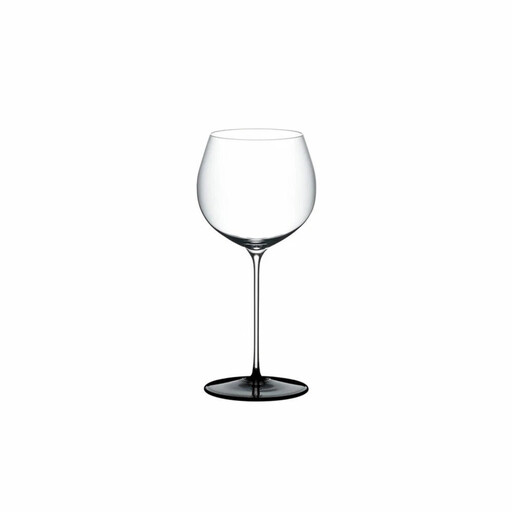
Why this product suits this profile: According to the product details, this individual Chardonnay wine glass is made from lead-free crystal glass and has a capacity of 660 ml.
The material is clearly specified: lead-free crystal glass. The recommendation to wash it by hand also makes clear that care is an important part of the buying decision.
Lead-free crystal glass; handmade design according to the product description; 660 ml capacity.
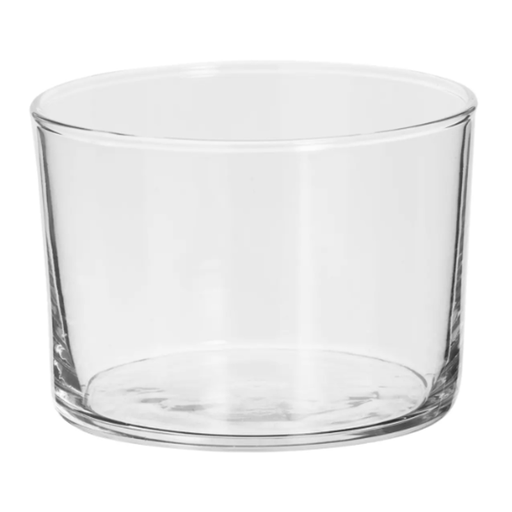
Why this product suits this profile: According to the product details, the pack contains 8 glasses. The format is specified as suitable for professional use and public facilities.
The quantity and suitability for professional environments are clearly stated. The recommendation to wash the glasses by hand should be factored into operating costs.
8 glasses per pack; glassware for hospitality use; made in France according to the product description.
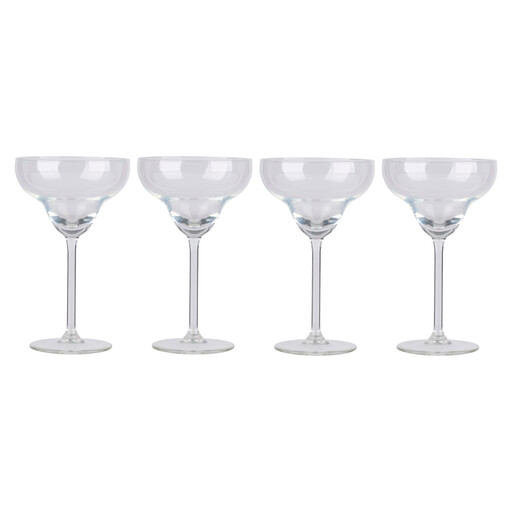
Why this product suits this profile: The set includes four specially shaped Margarita glasses, each holding 250 ml, designed for parties and serving cocktails.
The defined shape and quantity are suited to a specific cocktail purpose. This means you do not have to repurpose universal glasses for every recipe.
Set of 4; 250 ml per glass; clear glass finish for cocktails and mixed drinks.
We have compiled a complete, regularly updated list of products that fully meet these strict selection criteria and the safety regulations applicable in the EU.
Around 24 to 40 cl is common for everyday use. 30 cl glasses are suitable for water, juice and soft drinks with meals. If you often serve ice cubes or larger portions, you may wish to choose a format of around 38 cl.
No. The term “dishwasher-safe” describes cleaning compatibility, not automatic heat resistance. Many drinking glasses and wine glasses must not be filled with boiling water. Check the manufacturer’s instructions separately for temperature changes, microwave and oven use.
Their lifespan depends on the material, use, cleaning and storage. Scratches, impacts, harsh detergents and frequent changes in temperature can shorten their useful life. Damaged glasses should not be used further for safety reasons.