
Lieferung heute & morgen

Qualitätsgarantie

Willkommens-Angebote freischalten: KOSTENLOSE Lieferung | Bis zu 80 % RABATT | Kostenlose 30-Tage-JoyPlus-Testphase
App herunterladen
A drinking cup with a lid should transport drinks safely, stay out of the way in the office and be easy to use when you’re out and about. In practice, however, many models do not suit their intended use. A large cup, for example, is impractical for a rucksack, while a decorative glass cup requires extra care when transported every day.
As a Joybuy Product Recommendation Officer, I filter relevant product features out of marketing claims. The key details are those that can be checked specifically: capacity, material, closure, cleaning and intended use.
A lid with a seal can reduce the risk of leaks. However, this does not automatically mean that the cup will remain watertight in every position or inside a fully packed bag. Therefore, check the following:
With a leak-proof cup, you should also distinguish between “splash-resistant”, “leak-proof” and a fully sealable lid. These terms do not necessarily mean the same thing.
A heat-resistant material may be suitable for hot drinks, but it does not necessarily keep them at temperature for an extended period. A thermal mug or travel mug should therefore include explicit information about insulation. If this information is missing, it would be inappropriate to make a blanket claim about how long the drink will stay warm.
The temperature rating is also important for plastic cups. The green Anti-Drop-and-Heat-Resistant Coffee Cup, for example, specifies BPA-free polypropylene (PP) and a heat-insulating silicone cover. These are specific material details, but they do not replace checking the usage instructions.
A 1.2-l drinking cup reduces the number of refills, but is heavier and takes up more space. This size may work well on a desk, but is less suitable for short train journeys or a small bag. A 500-ml drinking cup is generally easier to store, while a 750-ml drinking cup provides more liquid for longer journeys or exercise sessions.
A reusable cup is only practical for everyday use if the lid, seal and drinking opening are easy to clean. Straws and narrow sealing grooves require particular attention.
A coffee cup with a lid for the commute to work should be easy to hold securely and have a suitable drinking opening. A handle improves usability, but increases the amount of space required. A drinking cup with a straw is especially suitable for cold drinks, smoothies or water. For hot liquids, a straw is only advisable if it is explicitly approved for this purpose.
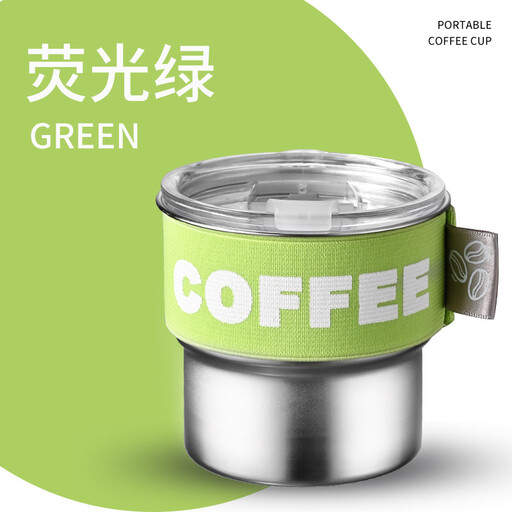
Why this product suits the profile: The lightweight PP material and silicone cover are designed for everyday use in the office and at home.
The material description explicitly mentions PP, a medical-grade silicone seal and a silicone cover, rather than making only general claims about durability.
BPA-free PP according to the product information; heat-insulating silicone cover and grip protection.
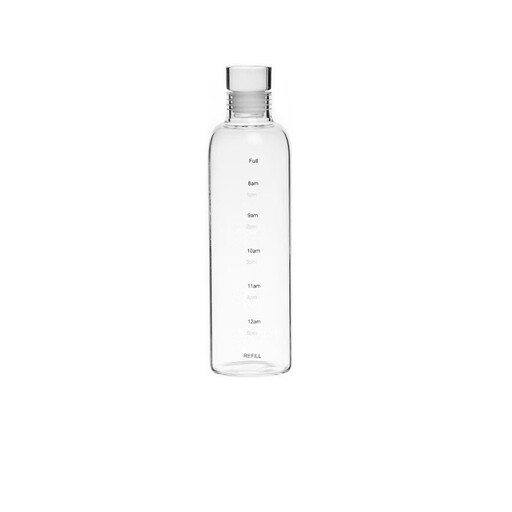
Why this product suits the profile: This 500-ml borosilicate glass travel mug combines a compact capacity with a transparent design and time scale.
The specific term “borosilicate glass” is more informative than an unexplained description such as premium glass.
500 ml capacity; time scale; borosilicate glass material.
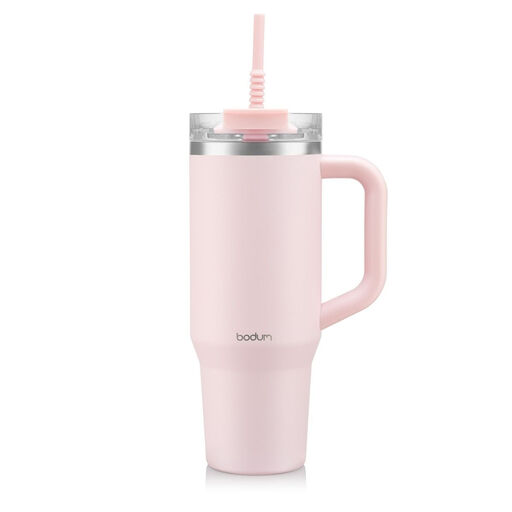
Why this product suits the profile: The 1.2-l size, handle and included straw are suited to long working days, sport and frequent refilling.
The large capacity is clearly stated, making it easier to assess before purchase whether the weight and space requirements suit your daily routine.
1.2 l capacity; integrated handle; straw and lid according to the product description.
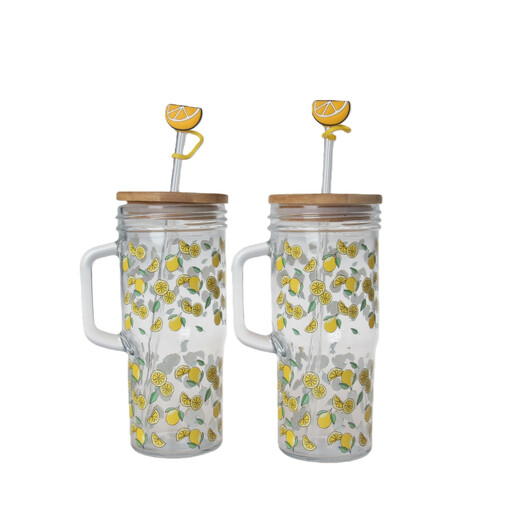
Why this product suits the profile: Two 750-ml glass cups with handles, wooden lids and glass straws are suitable for cold drinks at home.
The product information explicitly states that the cups are intended for cold drinks and includes care instructions for the wooden lids and glass.
Two cups, each holding 750 ml; glass straws; handles; wooden lids with rubber seals.
If you’re looking for a glass cup with a lid for milky coffee, tea or water, you can also compare models with capacities from 400 to 520 ml. The JORDAN&JUDY Lidded Tempered Glass Cup holds 520 ml. For smaller portions, the BODUM JOYCUP Travel Cup with a 250-ml capacity is worth considering. As a general rule with glass: transport it carefully, avoid knocks and follow the relevant temperature guidance.
For cold drinks in a more compact size, the KAWASIMAYA 400-ml glass cup with lid and straw offers another option. If you would prefer to focus your selection more specifically on coffee and glass models, you’ll find further options in the glass coffee cups with lids section.
We have put together a complete, regularly updated list of products that fully meet these strict selection criteria and the safety regulations applicable in the EU.
For coffee and water in the office or on short commutes, 500 to 520 ml is often sufficient. If you’re out for several hours or want to refill less often during sport, you can choose a 750-ml drinking cup or 1.2 l model. Remember to factor in the additional weight of the filled cup.
That depends on the specific product approval. Borosilicate glass is mentioned for some products, but this is not blanket proof that it is suitable for every application. A model with a wooden lid and glass straw may be explicitly intended for cold drinks only. Always check the manufacturer’s information about temperature, lid and straw.
Wash the cup, lid, seal and straw after every use in accordance with the care instructions. Remove the seals if this is intended, and dry all parts thoroughly. Wooden lids should not be soaked. A narrow cleaning brush is useful for a cup with a straw.