
Lieferung heute & morgen

Qualitätsgarantie

Willkommens-Angebote freischalten: KOSTENLOSE Lieferung | Bis zu 80 % RABATT | Kostenlose 30-Tage-JoyPlus-Testphase
App herunterladen
By Joybuy Product Recommendation Officer, August 28, 2026
Classic drip coffee is a staple in homes and offices everywhere. Its clean, aromatic profile has been cherished for generations. However, the market has become overwhelmingly complex. Between grandiose marketing promises and a flood of models, making an informed decision is difficult. Many buyers invest in machines or products that fail to meet their expectations.
This guide will help you identify common pitfalls and focus on the features that truly matter. We'll show you what to look for when making your choice, so you can enjoy your coffee exactly the way you like it.
Before we dive into solutions, it's important to understand the most common issues that lead to dissatisfaction.
To avoid these traps, you should focus on three objective criteria. These are the key determinants of your coffee product's quality and utility.
The extraction of aromas from the coffee grounds is a chemical process that is highly dependent on water temperature. The optimal brewing temperature for drip coffee is between 92°C and 96°C (198°F and 205°F). If the water is too hot, too many bitter compounds are extracted. If it's too cold, the coffee tastes watery and sour. A good drip coffee maker consistently maintains this temperature range. The brewing time for a full pot should be between four and six minutes.
Here lies the solution to the "hot plate trap."
The choice of method depends on your habits.
Based on the criteria above, we have identified products that offer a suitable solution for different user profiles.
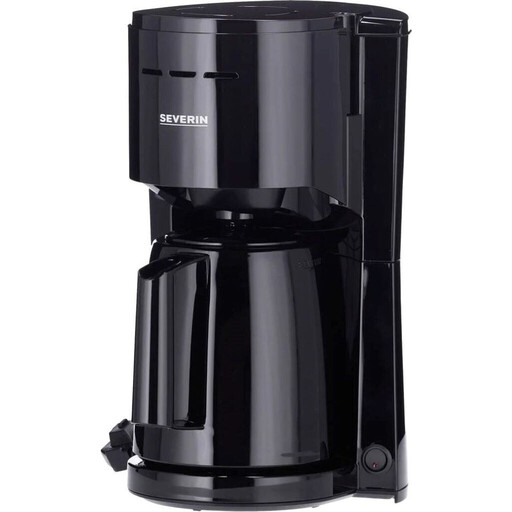
Why This Fits Their Persona: Ideal for daily coffee needs in a household or small office. This model focuses on the essentials: reliably brewing hot, aromatic coffee and keeping it warm for hours without sacrificing quality.
The integrated thermal carafe makes a hot plate obsolete. The coffee isn't "stewed" and retains its aroma, eliminating the most common cause of undrinkable drip coffee.
Long-lasting hot coffee without flavor degradation. The automatic shut-off ensures safety and saves energy. Easy to use with a swing-out filter and drip-stop feature.
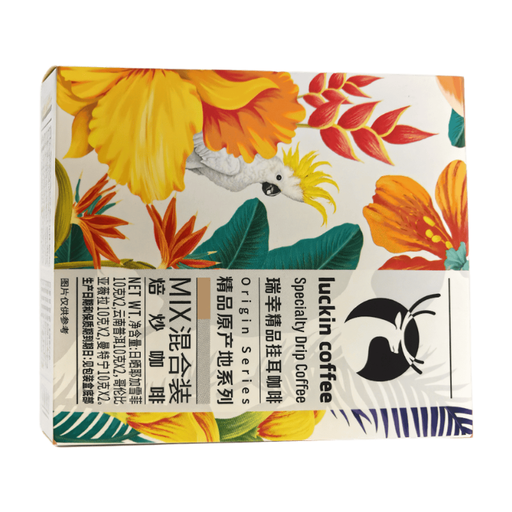
Why This Fits Their Persona: Perfect for anyone who wants a single cup of high-quality coffee without the hassle of a machine. Ideal for the home office, the workplace, or travel to enjoy a fresh cup anytime, anywhere.
These Drip Coffee Bags solve the problem of inflexibility and waste. Instead of a whole pot, only one cup is prepared. There's no stale coffee and no unnecessary consumption.
Single servings of 100% Arabica coffee for consistently high quality. Preparation is straightforward and takes only a few minutes. No machine cleanup required.
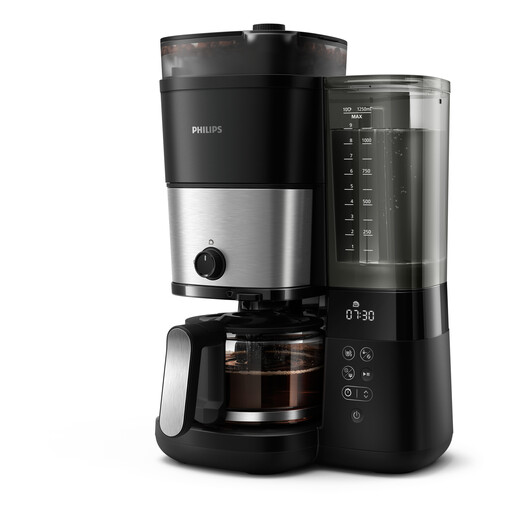
Why This Fits Their Persona: For users who refuse to compromise on freshness. The integrated grinder grinds the beans right before brewing, releasing maximum aroma—a difference you can taste.
This device bypasses the trap of misleading "aroma" functions by addressing the source: the freshness of the beans. Instead of a marketing gimmick, fresh grinding delivers a real, tangible quality advantage.
Integrated grinder for maximum freshness and full aroma. The coffee strength is adjustable, and the timer function allows for programmable coffee enjoyment.
We have compiled a complete, up-to-date list of products that fully meet these strict selection criteria and German safety regulations.
1. How often should you descale a drip coffee maker? The frequency depends on the water hardness in your area. As a general rule, it is recommended to descale the machine every two to three months. With very hard water, monthly descaling may be advisable. Some modern devices have an indicator that reminds you to descale. Regular descaling not only ensures the longevity of the device but also a consistently high brewing temperature.
2. What is the ideal grind size for drip coffee? For classic drip coffee, a medium grind size is the standard recommendation. If the powder is ground too finely (like for espresso), the water flows through too slowly, which can lead to over-extraction and a bitter taste. If it is too coarse, the water flows through too quickly, and the coffee becomes watery and sour (under-extraction). If you use a coffee maker with a grinder or a separate grinder, start with a medium setting and adjust to your taste.
3. Are Drip Coffee Bags an eco-friendly alternative? The environmental impact of Drip Coffee Bags requires a nuanced look. The filter bags themselves are often made of paper or non-woven fabric and are, in many cases, compostable. However, the outer protective packaging, which ensures freshness, is often made of an aluminum-plastic composite material and is not easily recyclable. Compared to a large pot of coffee, half of which might be thrown away, single servings can reduce food waste. It's a trade-off between convenience and packaging waste.