
Lieferung heute & morgen

Qualitätsgarantie

Willkommens-Angebote freischalten: KOSTENLOSE Lieferung | Bis zu 80 % RABATT | Kostenlose 30-Tage-JoyPlus-Testphase
App herunterladen
For many, the aroma of freshly brewed coffee is the epitome of a perfect start to the day. A reliable drip coffee maker is often the heart of the kitchen. However, the market is crowded, and many models advertise features of questionable utility. Before you make a decision, it's helpful to know the typical pitfalls that can lead to a poor purchase.
As your Joybuy Product Recommendation Officer, I'll help you distinguish marketing promises from genuine performance features. Here are three common problems to watch out for:
To find the right machine for your needs, you should focus on a few fundamental, objective parameters. These will help you make an informed decision that goes beyond short-lived trends.
The choice of carafe significantly impacts your coffee experience and daily convenience. Both options have specific pros and cons.
The stated cup capacity can be misleading, as manufacturers often base it on small cups (approx. 125 ml). Consider how many people regularly drink coffee and how large your mugs are. A 10-cup coffee maker typically holds about 1.25 litres.
Other useful features include:
Instead of presenting an overwhelming list, we have selected models that fit specific user profiles and avoid the pitfalls mentioned earlier.
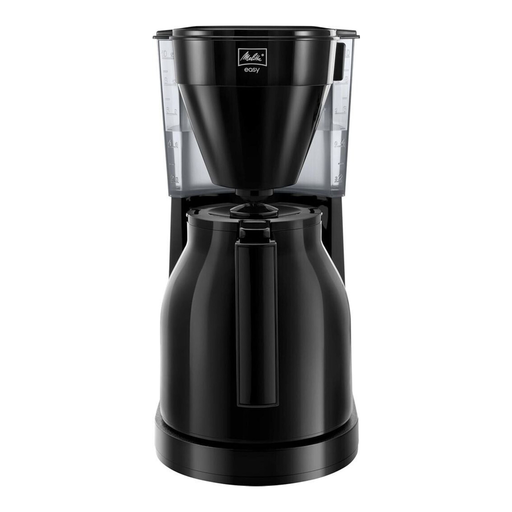
Why this model fits: Ideal for anyone looking for a simple, reliable machine without unnecessary bells and whistles. The Melitta coffee maker focuses on the core function: brewing good drip coffee. Perfect for small households or the home office.
This model avoids the trap of overpriced extra features. It offers the essential functions that are genuinely useful in practice, like a drip-stop and auto shut-off.
Proven brand quality, simple operation, and straightforward cleaning thanks to the swing-out filter and glass carafe.
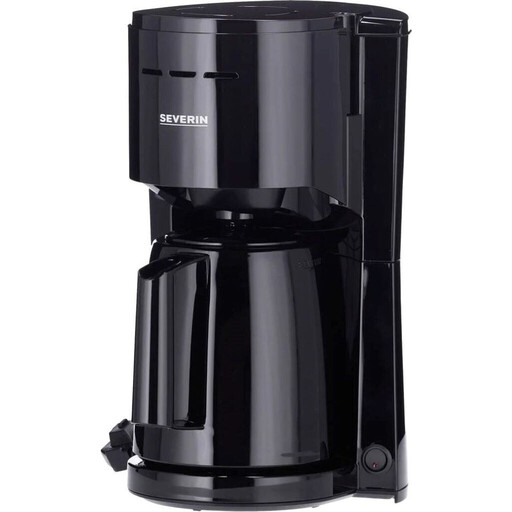
Why this model fits: The thermal carafe keeps coffee hot for hours without a warming plate affecting the aroma. This is ideal for anyone who drinks coffee throughout the morning or wants to take it to the office.
This model addresses the "thermal carafe deception" with a jug that, according to the manufacturer, keeps coffee warm for a long time. The absence of a warming plate saves energy and prevents the coffee from turning bitter.
Long-lasting hot coffee with a consistent aroma. The brew-through lid and swing-out filter ensure easy and clean handling.
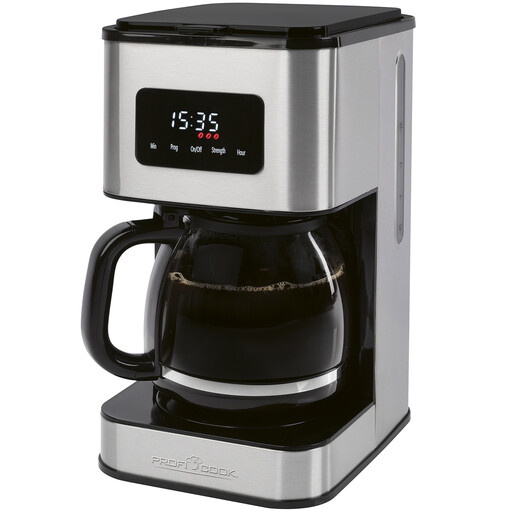
Why this model fits: With a large 1.5-litre capacity and a programmable 24-hour timer, this machine is perfect for families or small offices that want to enjoy fresh coffee in the morning with no waiting time.
The electronic aroma selection function is implemented here in three clear stages (mild, medium, strong), offering tangible added value rather than just being a vague marketing promise.
Large capacity for up to 14 cups, programmable start time, and a modern stainless steel housing with sensor touch controls.
We have compiled a complete, up-to-date list of products that fully meet these strict selection criteria and German safety regulations.
1. How often should you descale a drip coffee maker? The frequency depends on the water hardness in your area and how often you use it. As a general rule, it is recommended to descale the machine every two to three months. Many modern devices have an indicator that reminds you. Regular descaling not only ensures the longevity of the appliance but also a consistently great coffee taste.
2. What is the key difference between a coffee maker with a glass carafe and one with a thermal carafe? The main difference lies in how the coffee is kept warm. A glass carafe sits on a hot plate, which can lead to a bitter taste if left for a long time. A thermal carafe insulates the heat and keeps the coffee warm for hours without an external heat source, which better preserves the aroma. The choice depends on how quickly you consume your coffee after brewing.
3. How many watts should a good drip coffee maker have? Most drip coffee makers on the market have a power rating between 800 and 1,200 watts. However, more important than the raw wattage is that the brewing system reaches an optimal brewing temperature of about 92–96 °C and maintains it consistently. Higher wattage can speed up the brewing process, but it doesn't automatically guarantee better coffee. Brands like Braun coffee makers or Melitta often focus on optimised brewing systems rather than pure power ratings.