
Lieferung heute & morgen

Qualitätsgarantie

Willkommens-Angebote freischalten: KOSTENLOSE Lieferung | Bis zu 80 % RABATT | Kostenlose 30-Tage-JoyPlus-Testphase
App herunterladen
By Joybuy Product Recommendation Officer, August 30, 2026
For many, the aroma of freshly brewed filter coffee is the perfect way to start the day. But the search for the right drip coffee maker can quickly become overwhelming. Manufacturers advertise countless features, but not all of them deliver on their promises. Before you make a decision, it's crucial to understand the common pitfalls that often lead to disappointment and unnecessary expense.
This guide will help you separate marketing hype from genuine benefits and find a machine that reliably meets your needs.
Many models look impressive at first glance, but only reveal their weaknesses during daily use. Pay special attention to these three points:
To avoid a bad purchase, you should focus on the fundamental features that are crucial for the quality of your coffee and the longevity of the appliance.
The brewing temperature is critical for flavour extraction. The ideal range is between 195°F and 205°F (92°C to 96°C). Machines that brew too hot extract bitter compounds, while water that is too cold results in a flat, sour taste. The warming plate is just as important. A good one keeps the coffee at drinking temperature without "scorching" it. An auto shut-off is not just a convenience feature here, but also an important safety measure that saves energy.
The carafe is the most frequently used component. A coffee maker with a glass carafe lets you see the remaining amount of coffee at any time. Look for durable borosilicate glass, which is more resistant to thermal shock than standard glass. An indispensable feature is the drip-stop function. This prevents coffee from dripping onto the hot plate if you remove the carafe mid-brew.
Design is a matter of taste. Whether you prefer a modern stainless steel finish or a charming retro coffee maker, the appliance should blend seamlessly into your kitchen. Don't forget about accessories. High-quality coffee tastes even better from the right cups. Double-walled glasses, for example, keep your drink hot longer while protecting your hands. For fans of small, strong coffees, special glass espresso cups are a stylish addition.
Instead of presenting an overwhelming list, we've selected models for specific user profiles.
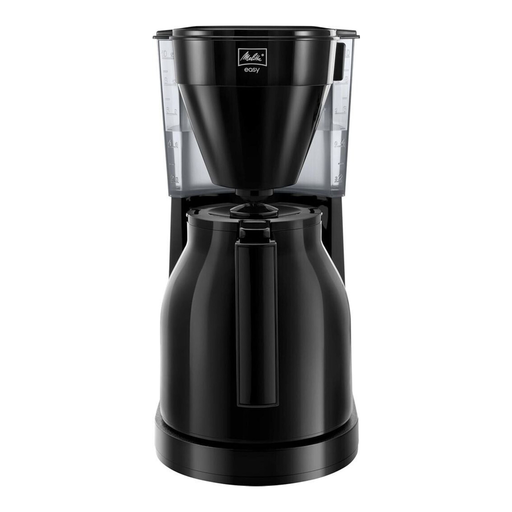
Why It's a Match: This machine focuses on the essentials: brewing reliably good coffee. It's ideal for anyone looking for a straightforward, durable machine without unnecessary frills.
It deliberately omits fragile digital displays, opting instead for proven mechanical switches. This significantly reduces potential points of failure.
Compact design, a drip-stop function, and a removable swing-out filter that simplifies cleaning.

Why It's a Match: This retro coffee maker is an eye-catcher in any kitchen, combining appealing design with modern functionality like a programmable timer.
The glass carafe is solidly built and the drip-stop function works reliably, avoiding the common annoyance of spills often found in design-focused models.
The programmable 24-hour timer allows you to schedule the brew in advance—for fresh coffee right when you wake up.
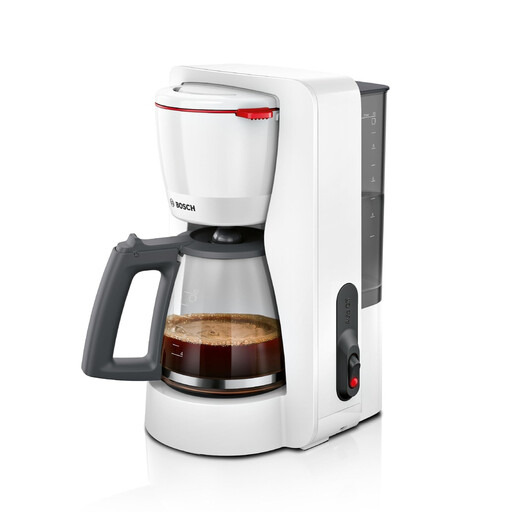
Why It's a Match: With a large 1.25-litre capacity (up to 15 cups) and a removable water tank, this machine is ideal for households with high coffee consumption.
The glass carafe's wide opening and the swing-out filter basket solve the problem of cumbersome cleaning and filling common in many large-capacity models.
The removable water tank can be filled directly at the tap, which makes daily handling significantly easier.
The perfect coffee also deserves the perfect cup. If you want to complete your coffee experience, the right accessories are key.
We have compiled a list of products that meet the quality criteria mentioned here and will complete your coffee enjoyment.
The frequency depends on the water hardness in your area and how often you use it. As a rule of thumb, with daily use and medium-hard water, the machine should be descaled every two to three months. Many modern appliances have a descaling indicator to remind you. Regular descaling not only preserves the coffee's taste but also extends the appliance's lifespan.
A coffee maker with a glass carafe sits on a hot plate that keeps the coffee warm. This is ideal if the coffee will be consumed within about 40 minutes. A thermal carafe, on the other hand, insulates the coffee and keeps it hot for several hours without it being continually heated and turning bitter. It's the better choice if you plan to enjoy the coffee over a longer period.
The power, specified in watts, mainly affects the heating and brewing speed. Models with 1000 to 1200 watts quickly reach the optimal brewing temperature and ensure swift preparation. Devices with significantly less power often take longer, which can lead to over-extraction and a bitter taste. However, wattage alone is not a mark of quality; the interplay between the heating element, brewing system, and brew time is what's crucial.