
Lieferung heute & morgen

Qualitätsgarantie

Willkommens-Angebote freischalten: KOSTENLOSE Lieferung | Bis zu 80 % RABATT | Kostenlose 30-Tage-JoyPlus-Testphase
App herunterladen
The aroma of freshly brewed drip coffee is a staple of daily life for many. But the path to the perfect cup is often paved with marketing promises and hidden flaws. Before you purchase a new drip coffee maker, you should be aware of three common pitfalls that often lead to disappointment and unnecessary expense. As your Joybuy Product Recommendation Officer, I'm here to help you identify these hurdles and make an informed decision.
The market is flooded with options, but not every machine delivers on its promises. Pay close attention to these three points to avoid a bad purchase:
To make the right choice, focus on the technical fundamentals that are essential for good coffee.
The ideal brewing temperature for drip coffee is between 92°C and 96°C. Only within this range can the aromas be optimally extracted from the coffee grounds. Many basic machines fail to maintain this temperature consistently, resulting in a flat or sour taste.
The choice of carafe is also relevant:
Consider how many cups you typically prepare. A machine with a 1.25-litre capacity is suitable for families or small offices, while a smaller model is sufficient for one or two people.
Practical additional features can make daily life easier:
Here are some models tailored to different needs that cleverly avoid the pitfalls mentioned.
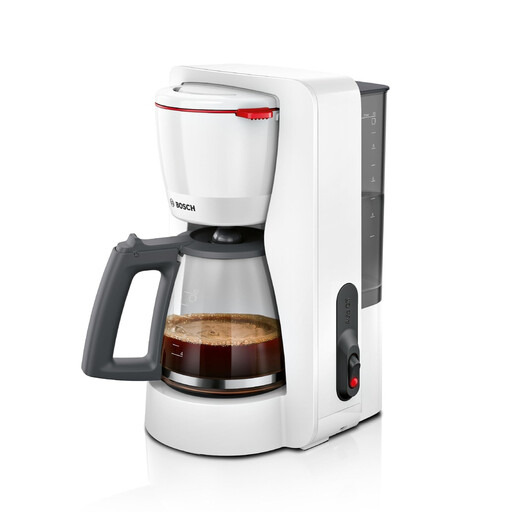
Why This Fits Their Persona: This model focuses on the essentials: brewing reliably good coffee. It's ideal for users who want a straightforward, durable machine without unnecessary features.
The removable water tank can be filled directly at the tap and is easy to clean. The warming plate automatically shuts off after 40 minutes, preventing the coffee from being "stewed."
The swing-out filter basket and the wide opening of the glass carafe make daily handling and cleaning significantly easier.
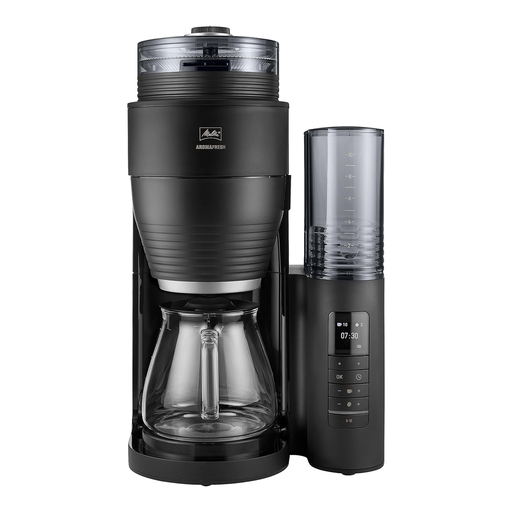
Why This Fits Their Persona: For those who refuse to compromise on aroma. This machine offers full control from bean to cup, catering to connoisseurs who value freshness and custom settings.
It avoids the low-quality grinder trap with an integrated, durable ceramic conical burr grinder. This grinds the beans evenly and gently. The water tank is also removable.
High customisability with 11 grind settings and 5 coffee strengths. The timer ensures freshly ground and brewed coffee at exactly the desired time.
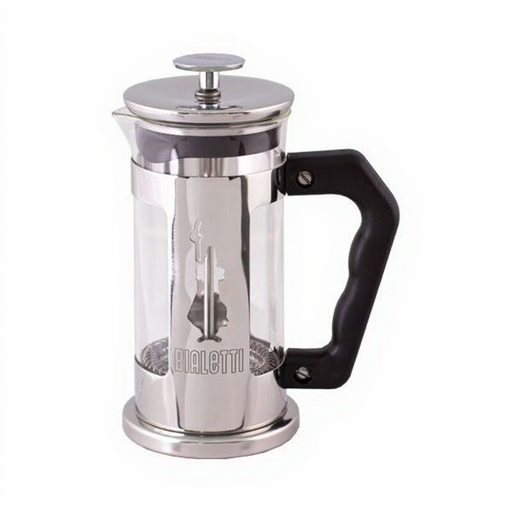
Why This Fits Their Persona: An alternative to electric machines for purists who celebrate the brewing process as a ritual. The French Press offers full control over water temperature and brew time for a full-bodied coffee.
As a manual brewing device, it bypasses all the typical pitfalls of electric machines. There are no electronics, no grinder, and no warming plate that could fail or degrade quality.
It produces a coffee with a rich body and intense aroma, as the coffee oils are not removed by a paper filter. The borosilicate glass and stainless steel carafe is durable and dishwasher-safe.
For purists who want complete manual control over the brewing process, we also offer a selection of high-quality pour-over drippers. Explore our range for a pure coffee experience.
The frequency depends on the water hardness in your area and how often you use it. As a rule of thumb: about every two to three months with daily use. Many modern machines have an indicator to remind you. It's best to use a descaler specifically designed for coffee machines, based on sulfamic or lactic acid, as vinegar can damage the seals and metal parts.
For a classic drip coffee maker or a pour-over coffee dripper, a medium grind size is ideal. The consistency should be similar to that of table salt. If the coffee is ground too finely, the water will pass through too slowly, leading to over-extraction and a bitter taste. If the grind is too coarse, the water flows through too quickly, and the coffee will be watery and sour.
The main difference lies in the filtering method and the resulting taste profile. A drip coffee maker uses a paper filter, which retains oils and fine sediment. The result is a very clear, clean coffee. The French Press uses a metal mesh filter that allows coffee oils and the finest particles to pass through. This creates a coffee with a fuller, more robust body and a richer texture. The preparation is also completely manual, offering more control.