
Lieferung heute & morgen

Qualitätsgarantie

Willkommens-Angebote freischalten: KOSTENLOSE Lieferung | Bis zu 80 % RABATT | Kostenlose 30-Tage-JoyPlus-Testphase
App herunterladen
If you're searching for a dry Cabernet Sauvignon red wine, you're faced with a vast selection. Labels often make grand promises, but not every wine delivers. As a Joybuy Product Recommendation Officer, I'm here to help you navigate the common pitfalls of wine buying and make an informed decision that suits your palate and budget.
Many shoppers are swayed by prestigious names or high price tags, only to be disappointed later. The most common mistakes include:
To avoid these mistakes, it's best to focus on a few objective criteria.
Instead of being guided by marketing promises, three core parameters will help you make the right choice when you want to buy a Cabernet Sauvignon.
The origin (the terroir) significantly shapes a wine's flavour. The climate, soil composition, and the winemaker's traditions create a unique aromatic profile.
The ageing method has a tremendous impact on the wine's final taste.
For an increasing number of connoisseurs, sustainable and ethical aspects also play a crucial role.
Here are a few recommendations tailored to different needs and occasions.
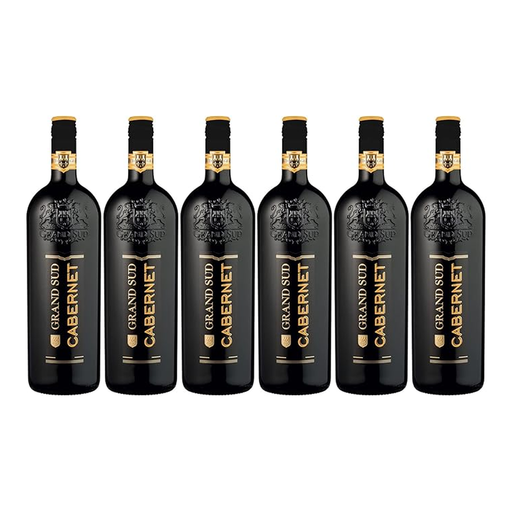
Why it's a great fit: Perfect for everyday enjoyment or for stocking up for parties. This 6-pack of dry red wine in 1-litre bottles offers outstanding volume for the price without compromising on origin. A straightforward wine for social gatherings.
This wine bypasses the origin trap with its clear IGP Vin de Pays d’Oc designation. You're paying for a solid, regionally typical wine, not an ambiguous blend or an overhyped brand image.
Large format (6 x 1 litre) provides excellent value. Aromas of black fruits and spices make it a versatile food companion.
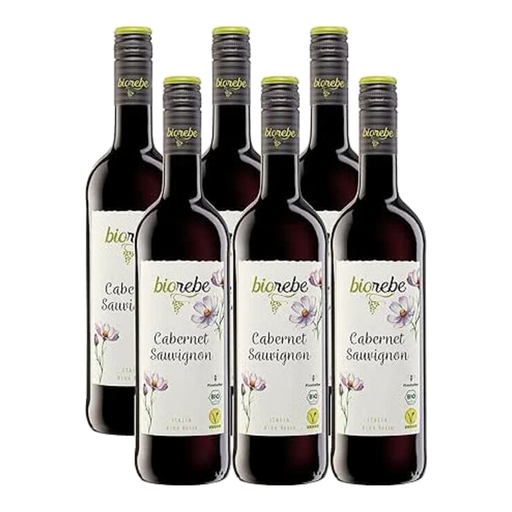
Why it's a great fit: For everyone who values certified quality and sustainable consumption. This wine combines the attributes of a dry organic red wine and a vegan Cabernet Sauvignon, offering a conscious choice without compromising on taste.
This wine avoids the label fallacy because its value is based on verifiable certifications (Organic and Vegan), not on empty marketing slogans. The added value is clearly defined and transparent.
Dual-certified (Organic and Vegan) from Italy. Delivers a pure, fruity taste experience that showcases the grape's characteristics authentically.
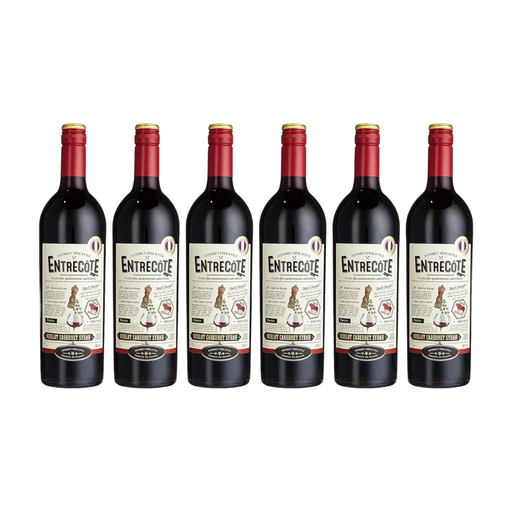
Why it's a great fit: The name says it all. This wine was specifically composed as the ideal wine for red meat. Its powerful structure and aromas of ripe blackberry, mocha, and vanilla harmonise perfectly with hearty dishes like steak, leg of lamb, or roast beef.
This wine sidesteps the price-quality fallacy by offering a clear, functional benefit. Its value is measured by its suitability as a food companion, not by an abstract promise of quality. It delivers exactly what its name suggests.
A dense, velvety, and complex red wine developed specifically to pair with meat dishes. The roasted notes and ripe fruit perfectly complement grilled flavours.
We have compiled a complete, up-to-date list of products that fully meet these strict selection criteria and comply with German regulations.
A full-bodied Cabernet Sauvignon best unfolds its aromas at a serving temperature of 16 to 18°C (60 to 64°F). If the wine is too cold, the tannins can seem harsher and the fruit aromas are muted. If it's too warm, the alcohol can taste too dominant.
After opening, a bottle of Cabernet Sauvignon should be tightly resealed and stored in a cool place. This way, the wine will remain enjoyable for about 3 to 5 days. Wines with higher tannin content and more structure tend to last slightly longer than lighter varieties.
In winemaking, animal products like egg whites, gelatine, or casein (milk protein) are traditionally sometimes used for fining, which is the process of clarifying the wine. In a wine declared as vegan, these fining agents are avoided. Instead, winemakers use plant-based proteins (e.g., from peas), mineral clays like bentonite, or allow the wine to clarify naturally through sedimentation over a longer period.