
Lieferung heute & morgen

Qualitätsgarantie

Willkommens-Angebote freischalten: KOSTENLOSE Lieferung | Bis zu 80 % RABATT | Kostenlose 30-Tage-JoyPlus-Testphase
App herunterladen
The variety of dry cat food is immense, and the promises on the packaging are often more confusing than helpful. As a cat owner, you want to make an informed decision that benefits your pet's health and well-being. However, well-intentioned marketing messages often lead to poor purchases that don't meet your cat's individual needs.
This guide, created by the Joybuy Product Recommendation Officer, will help you identify the important criteria and avoid common pitfalls. We focus on the facts so you can choose the right dry food for your cat.
Before we dive into the key parameters, let's clear up three common misconceptions that often lead to an unsuitable food choice.
To make an informed decision, you should focus on three essential aspects that can be found on every food package.
Cats are natural carnivores. Therefore, the ingredient list should begin with a clear, specific meat or fish source.
A high-quality protein source is the foundation for healthy muscles and overall vitality.
This section provides information about the nutrient distribution. The most important values for dry cat food are:
If your cat has special requirements, the composition must specifically address them.
Here are some recommendations tailored to different profiles of cats and owners, taking the above criteria into account.
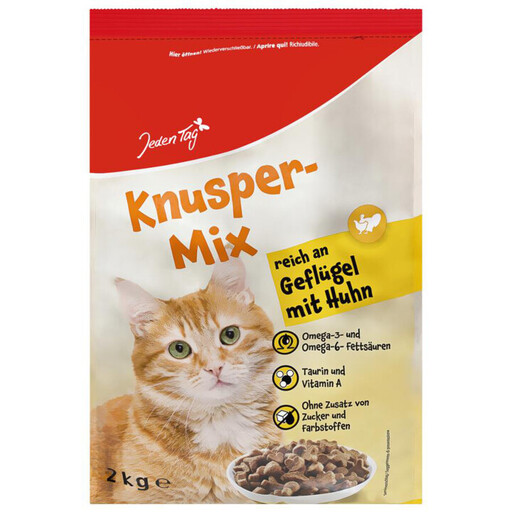
Why This Fits Their Persona: A solid and affordable choice for owners of healthy, adult cats without special dietary needs. It provides a balanced, complete food foundation.
This food is clearly declared as a complete food for adult cats, thus avoiding the pitfall of feeding for the wrong life stage. The composition is transparent, without exaggerated marketing promises.
Made in Germany, with no added sugar and a solid protein content of 30%. A good value for money for daily feeding.
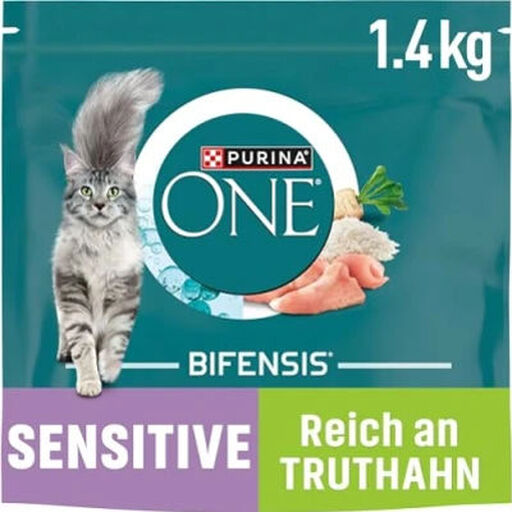
Why This Fits Their Persona: Ideal for cats prone to digestive issues. The formula is specifically designed for high digestibility and to support a healthy gut flora.
Instead of a vague "Sensitive" promise, this food relies on a specific, easily digestible protein source (turkey) and, according to the manufacturer, contains the Bifensis formula with Lactobacillus to support the immune system.
Specially developed for sensitive digestion. Turkey as the main protein source is often well-tolerated. According to the manufacturer, it supports healthy skin and a shiny coat.
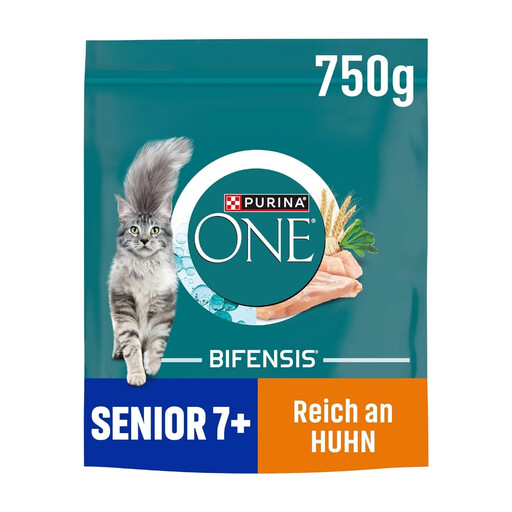
Why This Fits Their Persona: This food is precisely tailored to the needs of cats from the age of seven and considers the typical changes of aging, such as a slower metabolism and an increased need for joint and kidney support.
It avoids the "one-size-fits-all" pitfall by offering a specific formula for the "Senior" life stage. It's not a generic adult food, but a targeted senior dry cat food.
According to the manufacturer, it contains minerals and Vitamin D to support healthy bones. The formula is designed to support weight management, urinary health, and kidney function.
We have compiled a complete, up-to-date list of products that fully meet these strict selection criteria and German regulations.
1. How do I properly switch my cat's food? A food transition should always be done gradually over a period of 7 to 10 days. Start by mixing a small amount of the new food with the usual food. Gradually increase the proportion of the new food until you have completely replaced the old food. This allows your cat's digestive system to get used to the new diet.
2. Is grain-free dry cat food always the better choice? Not necessarily. Grain-free food is primarily useful for cats with a diagnosed grain intolerance or allergy. For most cats, high-quality grains in moderate amounts are an unproblematic and useful source of energy and fibre. The quality of the protein source and the overall nutrient composition are generally more important than whether or not grain is included.
3. How much dry food does my cat need per day? The required amount of food depends on several factors: weight, age, breed, and activity level. The feeding recommendation on the manufacturer's packaging serves as a guideline. Monitor your cat's body condition and adjust the amount as needed to maintain a healthy weight. Always ensure fresh drinking water is available, especially with an exclusively dry food diet.