
Lieferung heute & morgen

Qualitätsgarantie

Willkommens-Angebote freischalten: KOSTENLOSE Lieferung | Bis zu 80 % RABATT | Kostenlose 30-Tage-JoyPlus-Testphase
App herunterladen
As a Joybuy Product Recommendation Officer, I see the vast diversity of the wine market every day. The selection can be particularly overwhelming when it comes to dry Chardonnay. A wine labelled "dry" can vary significantly in taste, and not every appellation delivers on its promise. This guide will help you identify the crucial quality indicators and avoid common pitfalls, ensuring you find the perfect wine for your palate.
Before you buy a Chardonnay white wine, you should be aware of common misconceptions that often lead to a poor choice.
To ensure the wine meets your expectations, check these three parameters.
Pay close attention to the details on residual sugar content and acidity. These values, often listed in grams per litre (g/L) on the label or in the product description, are the key to the flavour profile.
The combination of origin and aging determines the wine's character.
Choosing the right packaging can be both practical and cost-effective.
Here are a few recommendations tailored to different needs and flavour profiles.
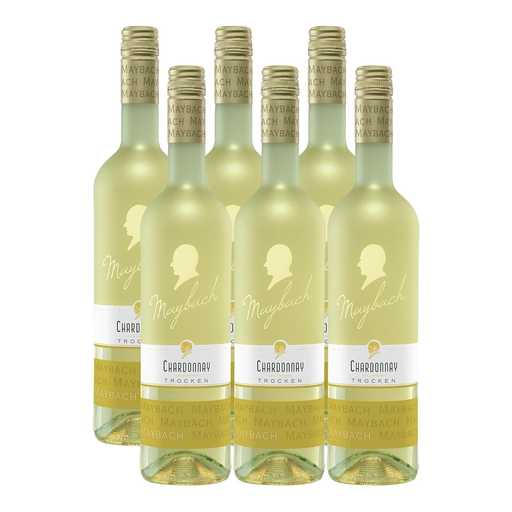
Why This Fits Their Persona: Ideal for everyday enjoyment and as a solid cellar-stocker. This Chardonnay 6-pack offers a reliable taste experience for anyone who appreciates an uncomplicated, fruity white wine without taking a risk on every bottle.
This wine avoids the "dry" trap by offering a clear, fruit-forward profile with subtle acidity that is perceived as classically dry, with no hidden sweetness.
Excellent value for money in the 6-pack. Aromas of melon and exotic fruits make it a versatile companion for light dishes.
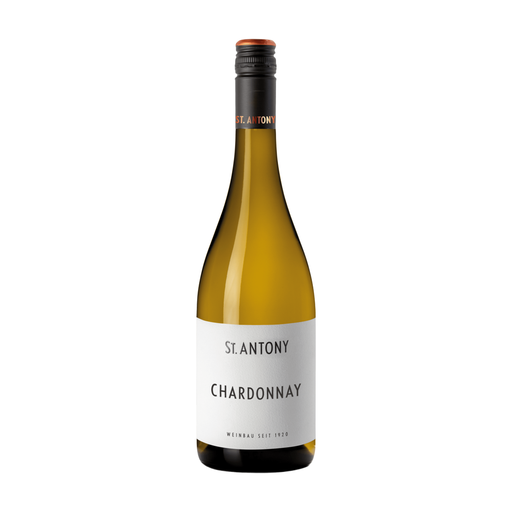
Why This Fits Their Persona: For wine drinkers who value origin, terroir, and certified organic quality. This organic Chardonnay comes from a renowned VDP winery in Rheinhessen and represents sophisticated German winemaking.
It sidesteps the origin trap, as its provenance from the Niersteiner Roter Hang is a clear promise of quality. The DE-?KO-039 certification also guarantees transparent, organic cultivation.
Characterised by high minerality and a pure salinity. Aromas of Williams pear and apricot tart, paired with a delicate, creamy mouthfeel.
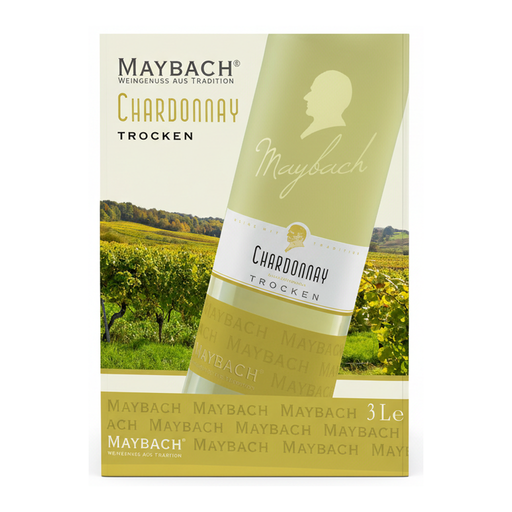
Why This Fits Their Persona: The 3-litre box is the perfect solution for parties, barbecues, or households where wine is enjoyed regularly. It combines quantity with practical handling and a long shelf life after opening.
This format solves the problem of oxidation that occurs with opened bottles. The wine stays fresh for weeks, so no leftovers go to waste—a common issue at large events.
Convenient tap for easy pouring. The bag-in-box system protects the wine from air contact and preserves freshness. Same quality as the bottled version.
We have compiled a complete, up-to-date list of products that fully meet these strict selection criteria and German regulations.
1. What is the difference between a dry and an off-dry Chardonnay? A dry Chardonnay is legally allowed to have up to 9 g/L of residual sugar. An off-dry Chardonnay can contain between 9 g/L and 18 g/L of residual sugar. Off-dry wines have a much more noticeable sweetness, which can be well-balanced by a suitable acid structure.
2. What foods pair well with a dry Chardonnay? A stainless steel-aged, fruity Chardonnay pairs excellently with light dishes such as salads, fish, seafood, white poultry, and mild cheeses. A more robust, oak-aged Chardonnay also harmonises well with creamy pasta sauces, risotto, or roasted veal.
3. How long does a dry Chardonnay last after opening? An opened bottle of Chardonnay should be tightly resealed and stored in the refrigerator. It will generally last for 2 to 3 days before it begins to lose noticeable freshness and aroma. A bag-in-box package keeps the wine fresh for several weeks after the first pour, thanks to the vacuum-sealed bag.