
Lieferung heute & morgen

Qualitätsgarantie

Willkommens-Angebote freischalten: KOSTENLOSE Lieferung | Bis zu 80 % RABATT | Kostenlose 30-Tage-JoyPlus-Testphase
App herunterladen
Dry, stressed or frizzy hair does not automatically need as many products as possible. What matters is whether your shampoo, conditioner, hair mask and leave-in hair care are suited to your hair’s condition, structure and daily demands. Hair care for dry and damaged hair should therefore not be chosen solely based on fragrance, packaging or advertising claims.
Damaged hair fibres cannot regenerate like skin. Hair-care products can smooth the surface, improve manageability and make the hair look healthier. Claims such as “complete repair” or “permanent healing” should therefore be treated with caution. Instead, look for clear information about conditioning ingredients, oils, proteins, humectants and film-formers.
Oils, silicones, waxes and rich butters can make dry or thick hair feel smoother. However, a very rich hair mask may weigh down fine hair. The same applies to curly-hair care: dosage matters. Too much product can reduce your hair’s natural bounce. Applying a small amount to the lengths and ends is usually easier to control than using a generous amount at the roots.
A shampoo for dry hair can be suitable with or without sulphates. What matters is whether the cleansing action suits your scalp and how often you wash your hair. Likewise, terms such as “natural”, “clean” or “professional” are not objective guarantees of better results. Check the complete INCI list, the fill volume, the directions for use and any fragrance ingredients.
First, distinguish between the different needs:
Shampoo is mainly used on the scalp and at the roots. Conditioner for stressed hair should be applied primarily to the lengths and ends. A hair mask for damaged hair is suitable for more intensive care at longer intervals, while leave-in hair care remains in the hair after washing.
Pay attention to the actual product type: depending on the brand, the term “treatment” can refer either to a rinse-out or a leave-in product. For example, Kao Essential water treatments are designed to be applied after shampooing and then rinsed out. The packaging is the key source of information for correct use.
Oils such as argan, almond, jojoba, sunflower or camellia oil are often used to create a smoother feel. Hydrolysed proteins and amino acids can complement care for hair that appears stressed. If you have a sensitive scalp, pay attention to fragrances and fragrance allergens that must be declared.
Large containers such as 680 or 1,000 ml can be economical for frequent users. Before buying, however, check whether the pump dispenser can be used hygienically, how much product is needed per application and whether the product will weigh down your hair.
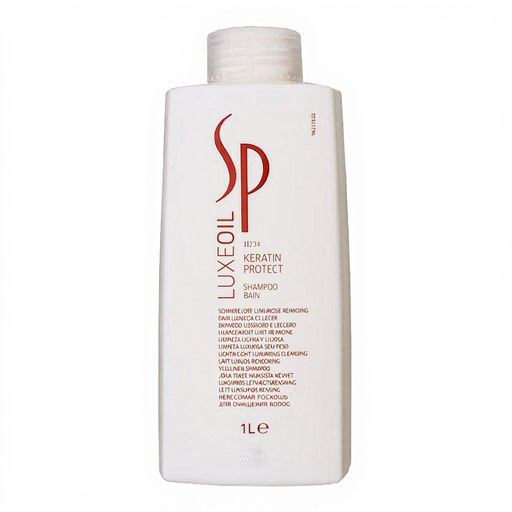
Why this product suits the profile: The 1,000-ml container is designed for regular hair washing and households with high consumption. According to the product description, the formula contains liquid keratin as well as argan, almond and jojoba oils, and is intended for dry, damaged and coloured hair.
The listed ingredients make the product’s care benefits easier to understand than a purely promotional claim. At the same time, note that the INCI list includes Sodium Laureth Sulfate and Sodium Lauryl Sulfate, among other ingredients.
Large fill volume; keratin and several oils according to the product information; intended for dry and coloured hair.
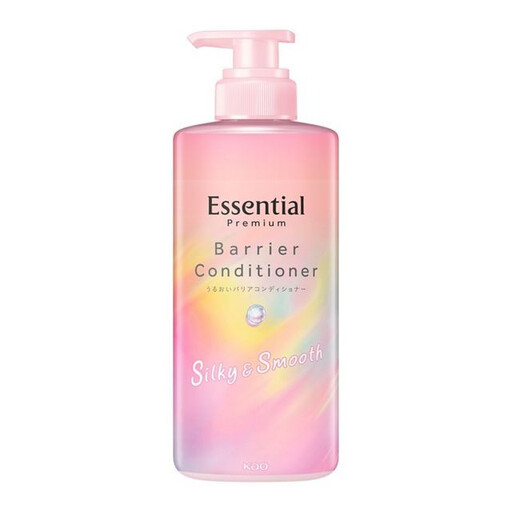
Why this product suits the profile: This Japanese hair-care product is described as a smoothing conditioner for dry, rough, frizzy and easily tangled hair. Applying it to the lengths and ends is well suited to a controlled daily routine.
The product description names specific conditioning ingredients such as squalane, sunflower oil and Aminopropyl Dimethicone. It also highlights the presence of fragrances and their potential relevance for sensitive users.
Smoothing care; designed to make combing easier and reduce flyaway hair; 450 ml contents.
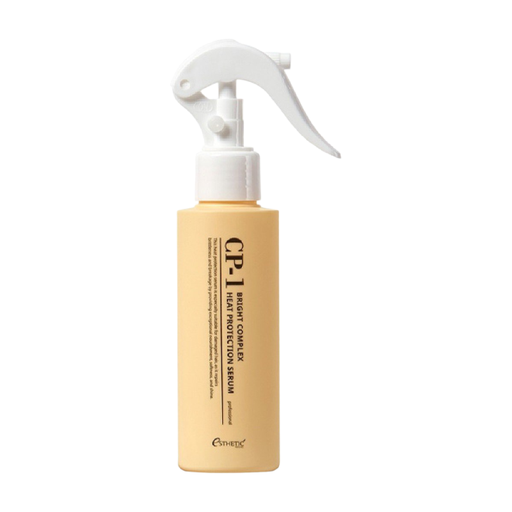
Why this product suits the profile: The serum is designed for use on damp or dry hair and is aimed at people who frequently blow-dry their hair or use styling tools. According to the product description, it contains amino acids, plant proteins, oils and panthenol.
The product is explicitly associated with heat styling. However, a serum does not replace lower temperatures, sufficient distance or taking a break when hair is severely damaged.
Lightweight essence texture according to the product information; suitable for wet and dry hair; 120 ml contents.
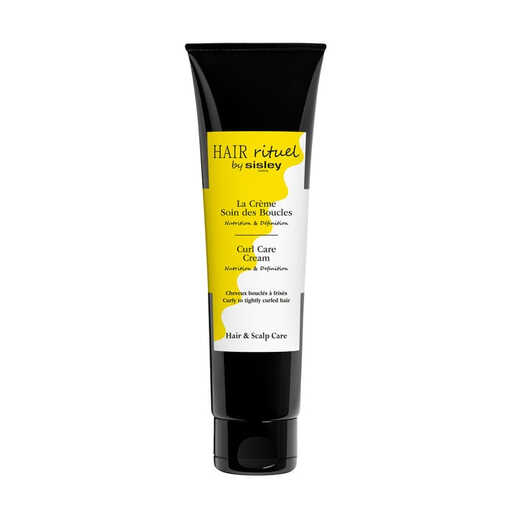
Why this product suits the profile: According to the product description, this cream is intended for curly to very curly type 3A to 3C hair. Plant oils and waxes combine conditioning with styling; apply it to damp or towel-dried hair.
The target hair structure is clearly specified. This makes it easier to narrow down your choice instead of using a generic anti-frizz product for all hair types.
Specified for 3A to 3C curls; three plant oils; can be applied with scrunching and a diffuser.
We have put together a complete, regularly updated list of products that fully meet these strict selection criteria and the safety regulations applicable in the EU.
This depends on your hair thickness, porosity and level of stress. For many dry or stressed hair types, one or two applications per week are a practical starting point. If your hair feels heavy or loses its natural movement, reduce the amount or frequency of use.
Both products serve different purposes. Conditioner is rinsed out and helps improve manageability after washing. Hair oil remains in the hair and can make the surface feel smoother. If your hair is particularly dry, you can combine moisturising care, conditioner and a sparingly applied oil.
Yes, especially if you blow-dry, straighten or curl your hair regularly. Use the product according to the directions on the packaging, distribute it evenly and avoid unnecessarily high temperatures. Heat protection does not automatically eliminate every risk associated with frequent or very hot styling.