
Lieferung heute & morgen

Qualitätsgarantie

Willkommens-Angebote freischalten: KOSTENLOSE Lieferung | Bis zu 80 % RABATT | Kostenlose 30-Tage-JoyPlus-Testphase
App herunterladen
Dry, overworked or chemically treated hair does not automatically need the richest possible product. What matters is whether the care routine suits your hair’s condition, how often you use it and your personal sensitivities. A hair mask for dry hair, for example, can be useful for rough lengths, while a lightweight conditioner for damaged hair may be enough for daily use.
Terms such as “Repair”, “Bond Building” or “intensive hair care” initially describe how a product is positioned. They are not a consistent quality standard. More meaningful factors include the complete ingredients list, recommended processing time, product quantity and intended hair type.
In cosmetic products, “repair” generally means that the hair surface is nourished, smoothed or temporarily conditioned. Split ends cannot be permanently rejoined once they have already formed. A hair mask for split ends can improve their appearance, but the damaged section may still need to be trimmed.
Oils, silicones, proteins and rich conditioning ingredients can improve manageability. However, a very rich formula may weigh down fine or quickly greasy hair. Check whether the product is intended as a daily conditioner or an occasional mask.
Many products contain Parfum or fragrance ingredients that must be declared. Some formulations also contain preservatives that may be relevant for sensitive users. If you have a known sensitivity, compare the ingredients list on the packaging with the information provided online. Stop using the product if irritation occurs.
For dry hair, a combination of a gentle shampoo, conditioner and occasional mask is usually easier to manage than using several intensive products every time you wash your hair.
Glycerin, Sorbitol, Panthenol and Sodium PCA are often used as moisture-binding ingredients. Oils and butters can help the hair surface feel smoother. Hydrolysed proteins such as keratin, silk or wheat protein are found in many repair formulas and can affect how the hair feels.
Silicones such as Dimethicone or Amodimethicone can improve manageability and coat the hair fibre. If you prefer silicone-free hair care, check the INCI list carefully. A silicone-containing formula is not inherently unsuitable; your hair structure and personal preference are what matter.
Do not compare just the product price. Also consider the number of millilitres or grams, recommended frequency and amount needed per application. A 15-ml SOS format is more suitable for use on the go, while a 400- or 970-ml conditioner is designed for regular hair washing.
When buying imported Japanese hair care, you should also check the origin, the responsible party in the EU and the current ingredients list on the packaging. Product information may change.
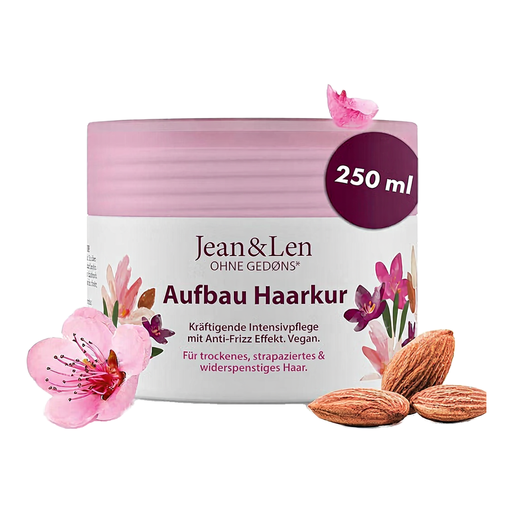
Why this product suits this profile: The 250-ml tube is suitable for a weekly care routine. The product description lists almond oil, plant-based keratin and panthenol.
The stated properties and INCI list make it easier to check for silicones, mineral oils and parabens.
Vegan according to the product information; use with a processing time of three to five minutes.
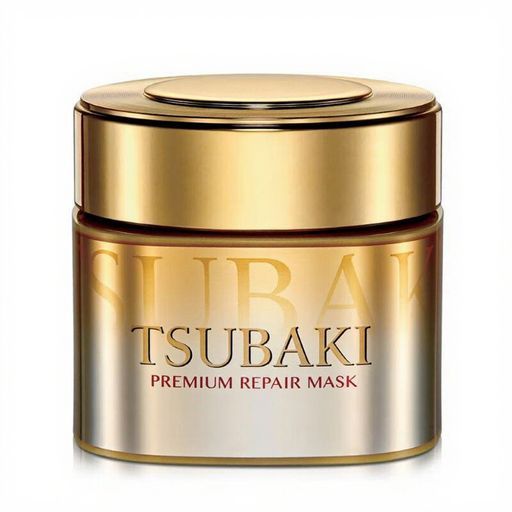
Why this product suits this profile: Apply this Japanese hair care product to towel-dried hair after shampooing and rinse out after five to ten minutes.
The clearly defined weekly application prevents a rich mask from being used like a daily conditioner.
180 g contents; according to the ingredients list, it contains glycerin, Dimethicone and camellia oil, among other ingredients.
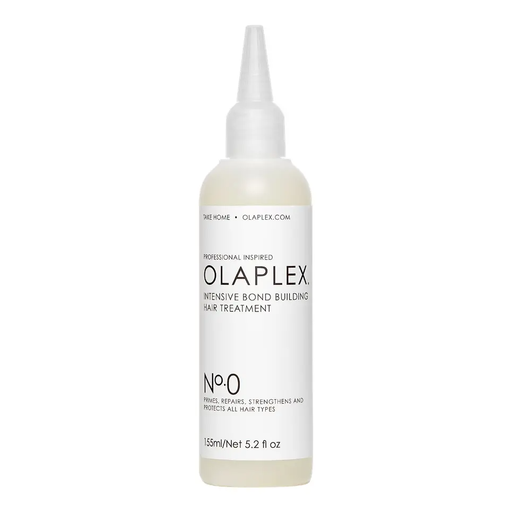
Why this product suits this profile: This product is intended as the first step in a two-part care system and, according to the instructions, is used weekly or more often on heavily stressed hair.
The required combination with No. 3 is explicitly stated. This makes the actual care commitment clear before purchase.
Apply to dry hair; according to the product information, 155 ml is enough for approximately three to six applications.
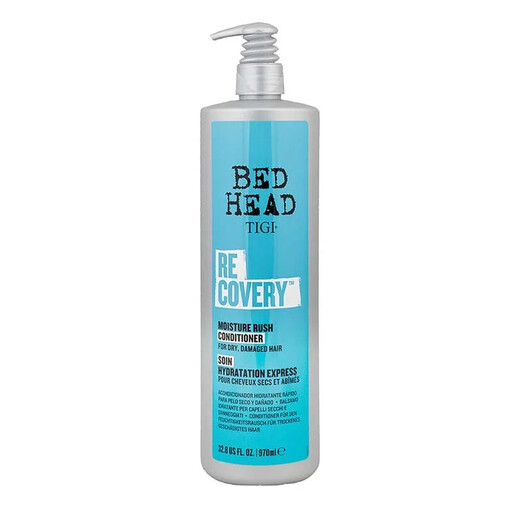
Why this product suits this profile: The 970-ml size is designed for frequent hair washing or higher usage on long, thick hair.
The large volume makes usage transparent before purchase and reduces the need for frequent repurchases.
For lengths and ends; recommended processing time of three to five minutes.
We have put together a complete, regularly updated list of products that fully meet these strict selection criteria and the safety regulations applicable in the EU.
This depends on your hair structure and the product. Many masks are intended for use once or twice a week. Fine hair may feel weighed down if used more frequently. Follow the manufacturer’s instructions and reduce the frequency if your hair becomes dull or difficult to comb.
A conditioner for damaged hair is generally designed for regular use and primarily improves manageability and the feel of the hair surface. A mask is often richer and is suitable as an additional treatment for very dry lengths. Both products can be useful, but they do not necessarily need to be used together.
Shelf life depends on the printed best-before date or period after opening, as well as storage conditions. Store products in a cool, dry place away from direct sunlight. If the smell, colour or consistency changes noticeably, stop using the product.