
Lieferung heute & morgen

Qualitätsgarantie

Willkommens-Angebote freischalten: KOSTENLOSE Lieferung | Bis zu 80 % RABATT | Kostenlose 30-Tage-JoyPlus-Testphase
App herunterladen
Dry, stressed or damaged hair often feels rough, is difficult to comb and reacts sensitively to heat, colouring or daily styling. The right conditioner for dry and damaged hair can smooth the hair surface and improve manageability. However, the deciding factor is not simply an eye-catching product name, but the combination of hair structure, ingredients, application and pack size.
A repair conditioner can care for the damaged hair surface and temporarily make hair feel smoother or softer. However, split ends or severely structurally damaged hair cannot be permanently restored by a conditioner. Look for realistic product claims such as improved manageability, greater softness or a smoothing conditioning effect.
Silicones such as Dimethicone or Amodimethicone can smooth the hair surface, reduce friction and enhance shine. This can be useful for curly, long or frizz-prone hair. If you prefer a lighter feel or are specifically looking for a silicone-free conditioner, check the INCI list. “Silicone-free” does not automatically mean more intensive hydration.
A pleasant fragrance says little about whether a product is suitable for dry hair. Similarly, a 1,000 ml bottle may offer a low price per millilitre, but it may be unsuitable if the formula weighs the hair down or the fragrance is not tolerated. If you have a sensitive scalp, check fragrances and essential oils particularly carefully.
A conditioner with argan oil or conditioner with shea butter may be suitable for dry lengths. Oils and butters mainly provide a smoother, conditioned feel. An amino acid conditioner contains building blocks such as arginine, serine or glycine. These details initially describe the formula and do not prove a medical or permanent effect.
If you have a sensitive scalp, apply conditioner mainly to the lengths and ends. The complete ingredients list on the packaging supplied is authoritative, as formulas may change. Stop using the product if you experience burning, redness or itching.
Most conditioners are applied to wet hair after shampooing and then rinsed out. Depending on the product, the recommended processing time is usually between around 30 seconds and five minutes. Leaving the product on for longer does not automatically produce better results.
A simple calculation helps assess the cost: price divided by contents in millilitres. A large bottle is worthwhile mainly if the product is used regularly and suits your hair structure. When trying a new formula, a smaller pack may be a sensible way to see how you get on with it.
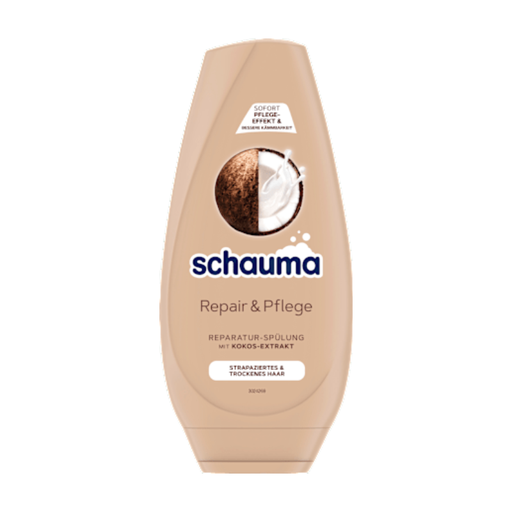
Why this product suits the profile: The 250 ml size is a convenient way to start caring for dry and stressed hair. According to the product description, the formula is silicone-free and contains coconut extract.
The “silicone-free” label makes it easier for shoppers who want to avoid silicones to choose a product. The manageable pack size limits the risk of making an unsuitable purchase.
250 ml contents; silicone-free formula according to the product information; designed for dry and stressed hair.
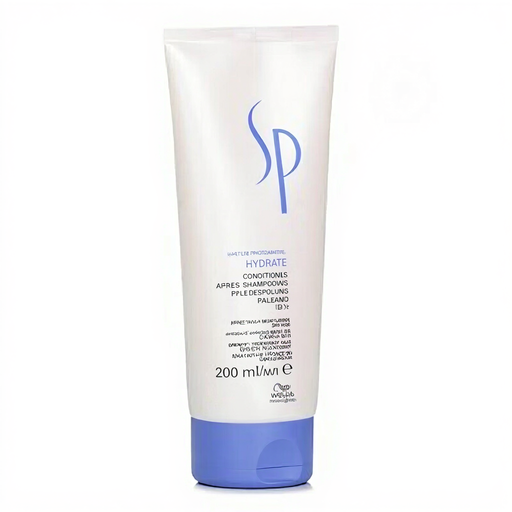
Why this product suits the profile: The product description highlights intensive hydration, improved manageability and a 30-second processing time. According to the product information, the formula is also suitable for coloured hair.
The clearly stated short application time prevents a longer processing time from being equated with better conditioning. The 200 ml pack is suitable for targeted use.
30-second processing time according to the product information; 200 ml contents; described as suitable for dry, damaged and coloured hair.
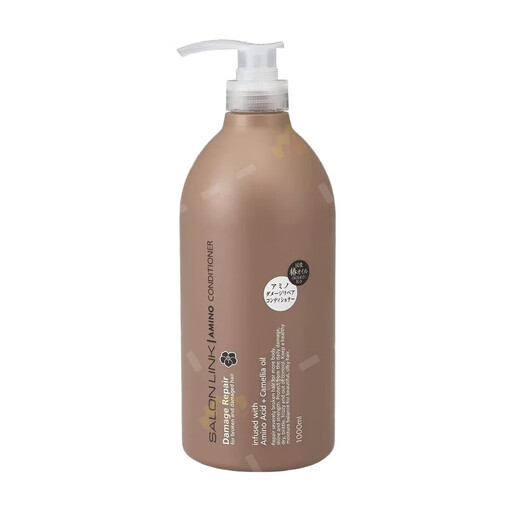
Why this product suits the profile: The 1,000 ml pack is aimed at people who need frequent conditioning or have long hair. According to the product description, this amino acid conditioner contains 16 amino acids, hydrolysed silk proteins, argan oil, ceramides and hyaluronic acid.
The clearly listed ingredient group makes the choice easier to assess than general claims such as “intensive conditioning”. The stated processing time is three to five minutes.
1,000 ml contents; amino acids, argan oil and ceramides according to the ingredients list; alcohol-free and sulphate-free according to the product description.
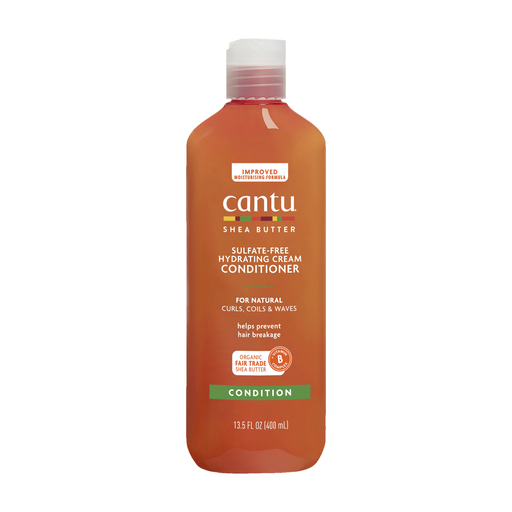
Why this product suits the profile: According to the product description, the cream is intended for dry, brittle, naturally textured and coloured hair. Shea butter and the silicone-free formula are the main focus of this selection.
The target hair types and the absence of silicones, sulphates, mineral oils and parabens are clearly described. This makes it easier to compare the product with your personal ingredient preferences.
400 ml contents; shea butter; according to the product description, free from sulphates, silicones, mineral oil and parabens.
We have put together a complete, regularly updated list of products that fully meet these strict selection criteria and the safety regulations applicable in the EU.
If you have a sensitive scalp, conditioner should not automatically be applied to the scalp. Only if the product description expressly recommends this should such an application be considered. Avoid contact with the eyes; if irritation occurs, rinse off the product and stop using it.
A lightweight moisturising conditioner can be used after every wash for many hair types. Rich formulas containing oils, shea butter or proteins may be more suitable for fine hair when used less frequently. Your hair’s feel, washing routine and the manufacturer’s instructions are the key factors.
Check the best-before information, the period-after-opening symbol and the batch details on the packaging. Store the bottle in a cool, dry place, preferably away from direct sunlight. If the fragrance, colour or consistency changes noticeably, stop using the product.
An anti-frizz conditioner often contains smoothing conditioning agents such as silicones, cationic conditioners or oils. A richer cream may suit curly hair, while fine hair generally needs a lightweight formula. Choose according to your hair structure and the finish you want, rather than relying solely on the term “anti-frizz”.