
Lieferung heute & morgen

Qualitätsgarantie

Willkommens-Angebote freischalten: KOSTENLOSE Lieferung | Bis zu 80 % RABATT | Kostenlose 30-Tage-JoyPlus-Testphase
App herunterladen
Dry, brittle, and damaged hair is a widespread issue. Heat styling, colour treatments, and even environmental factors can stress the hair's structure and strip it of moisture. The hair care market is vast, and finding the right shampoo can quickly become overwhelming. As your Joybuy Product Recommendation Officer, I'm here to help you navigate the marketing jungle and make an informed decision.
Before we look at specific products, it's important to understand a few common purchasing pitfalls that often lead to disappointment and unnecessary expense.
To make the right choice, focus on the ingredients and their function, not on advertising claims. Here are the three key parameters for an effective shampoo for dry and damaged hair.
Surfactants are the cleansing agents in a shampoo. Harsh sulphates (e.g., Sodium Lauryl Sulfate) can irritate the scalp and strip the hair of essential lipids, worsening dryness.
Look for milder alternatives:
These cleanse effectively but more gently, making them better suited for damaged hair.
The effectiveness of a shampoo depends on its conditioning formula. Different active ingredients serve different purposes:
Depending on the condition of your hair, additional active ingredients can be beneficial:
Based on the criteria above, we have identified a few products that are suitable for different needs and hair types.
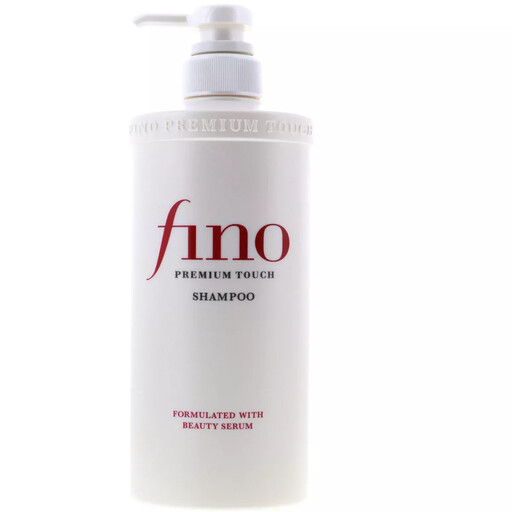
Why it's a match: Ideal for those whose hair is heavily stressed from frequent colouring or heat styling and who are looking for a comprehensive solution for moisture, strength, and repair.
Instead of a vague "repair" promise, the formula combines specific active ingredients like Royal Jelly EX for moisture and PCA to strengthen the hair's structure.
Delivers a triple-action approach (moisture, strength, repair) in one product to address multiple aspects of hair damage simultaneously.
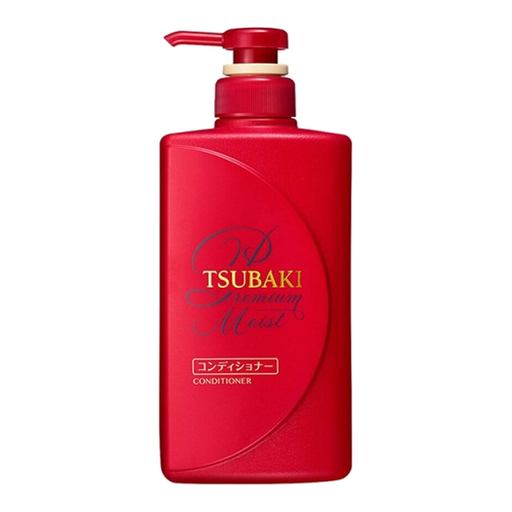
Why it's a match: For users who want to specifically avoid silicones, parabens, and alcohol without compromising on performance. Well-suited for fine to normal hair.
This shampoo bypasses the "silicone-free" pitfall by using high-quality conditioning agents like Tsubaki oil and hydrolysed silk instead of silicones, which nourish the hair without weighing it down.
The lightweight, silicone-free formula provides intense moisture and is gentle enough for daily use, even on sensitive scalps and colour-treated hair.
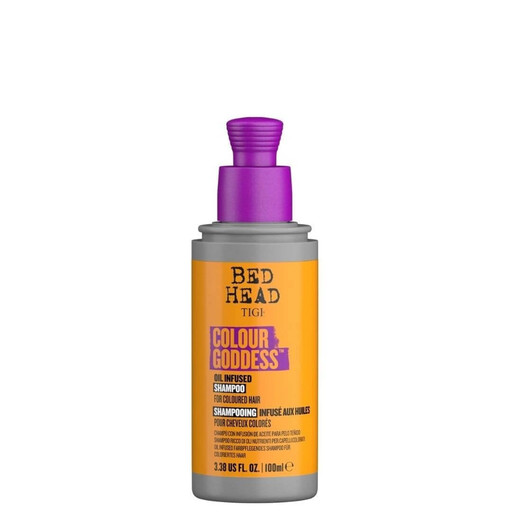
Why it's a match: Specifically for those with colour-treated hair who want to not only preserve colour vibrancy but also combat the dryness and structural damage caused by chemical treatments.
It combines colour protection with active repair. Instead of just sealing in the colour, it nourishes the hair with keratin, coconut, and almond oil to treat the substance damaged by colouring.
The formula was developed with professional hairdressers and aims to strengthen the hair structure while maximising colour vibrancy.
Sometimes the first step to healthy hair is a deep cleanse to remove product build-up. Discover our selection of clarifying shampoos to optimally prepare your hair for restorative treatments.
For dry and damaged hair, it's generally recommended to limit washing to 2-3 times per week. Over-washing can strip the scalp of its natural oils and exacerbate dryness. However, the ideal frequency also depends on your lifestyle and scalp condition.
Not necessarily. The blanket demonisation of silicones is an oversimplification. Water-soluble silicones (e.g., those ending in -cone with PEG or PPG prefixes) wash out easily and can reduce frizz and add shine without significant build-up. Poorly soluble silicones (like Dimethicone) can lead to build-up on fine hair. The decision for or against a silicone-free shampoo should depend on your individual hair texture and the rest of your care routine.
A shampoo cannot fuse broken hair or split ends back together. However, a good repairing shampoo can smooth the hair's surface and temporarily fill in porous spots with proteins like keratin. This improves the hair's texture, adds resilience, and can thus help prevent future breakage. It's more of a damage control and prevention measure than an actual repair.