
Lieferung heute & morgen

Qualitätsgarantie

Willkommens-Angebote freischalten: KOSTENLOSE Lieferung | Bis zu 80 % RABATT | Kostenlose 30-Tage-JoyPlus-Testphase
App herunterladen
As a dog owner, you face a vast selection when shopping for Dry Dog Food. The packaging makes big promises, but not every food lives up to its claims. The wrong choice can not only be costly but also compromise your dog's well-being. This guide will help you see through marketing hype and make an informed decision.
Many well-intentioned purchases are based on misconceptions created by clever marketing. Here are two of the most common traps to be aware of:
To find the right food, you should focus on objective criteria rather than marketing messages.
The ingredient list is the most important tool in your decision-making process. Look for an open declaration, where all components are listed individually with their percentages.
One food cannot be equally good for all dogs. Nutritional requirements change significantly throughout a dog's life.
Here are some product suggestions tailored to specific profiles of dogs and owners.
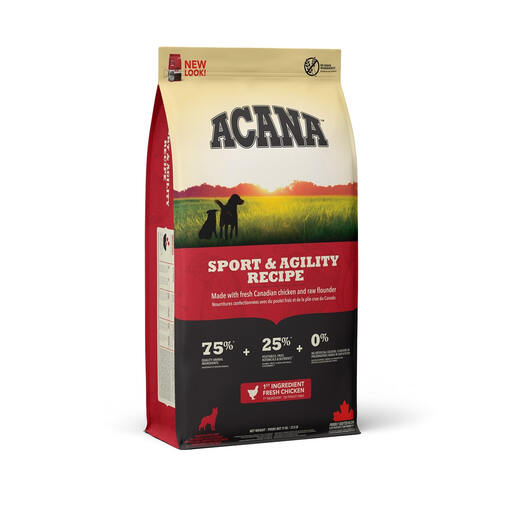
Why this food is a great fit: This formula is designed for dogs with high energy demands, such as those in canine sports or with a lifestyle of regular, long activities. The high protein and fat content supports endurance and muscle maintenance.
The declaration is open and precise. According to the manufacturer, 75% of the ingredients are from animal sources, with fresh free-run chicken listed first. It avoids vague terminology.
High protein (33%) and fat (19%) content to meet increased energy needs. A grain-free recipe that uses vegetables and fruits as carbohydrate sources.
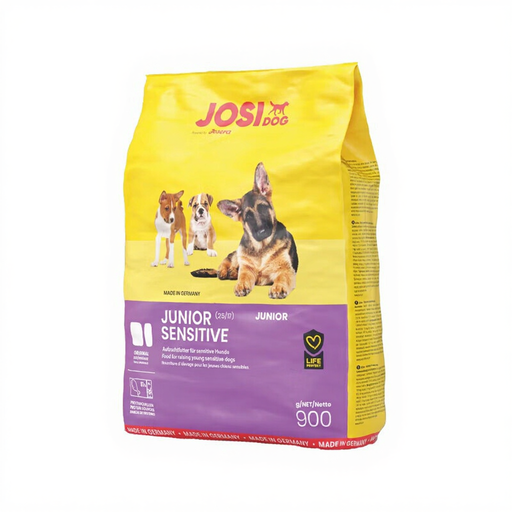
Why this food is a great fit: This food from Josera is developed for puppies from the eighth week onwards who are prone to digestive issues. The formula is designed for high digestibility and supports healthy growth.
It intentionally omits wheat and soy. The gluten-free recipe is specifically tailored for sensitive young dogs without simply jumping on the "grain-free" bandwagon.
A balanced calcium-to-phosphorus ratio for bone development. According to the manufacturer, it contains prebiotic inulin to promote healthy gut flora.
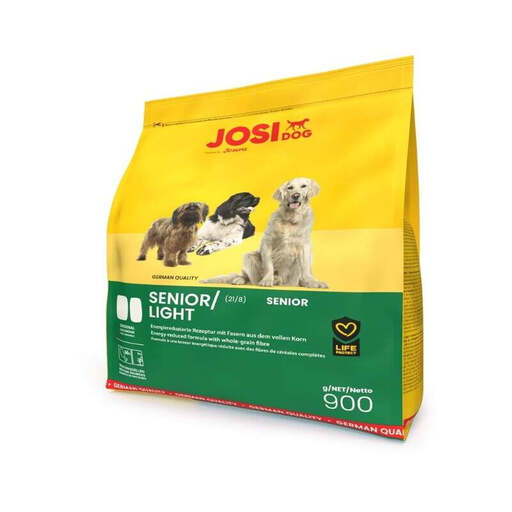
Why this food is a great fit: This recipe is tailored to the needs of older, overweight, or less active dogs. The reduced energy content helps with weight management without leaving the dog feeling hungry.
Instead of relying on a generic "premium" label, this food focuses on a functional, needs-based composition. The analytical constituents are clearly declared.
Reduced fat content (8.0%) and moderate protein content (21.0%) to support weight management. According to the manufacturer, it contains taurine to support heart function.
We have compiled a complete, up-to-date list of products that fully meet these strict selection criteria and local regulations.
A food transition should always be done gradually over a period of 7 to 10 days. Start by mixing a small amount of the new food with the current food. Increase the proportion of the new food each day while reducing the amount of the old food. This allows your dog's digestive system to slowly adapt to the new formula.
Look for objective signs. Good tolerance is usually indicated by normal, firm stool consistency, a shiny coat, healthy skin without itching, and a consistent energy level. If you notice signs like diarrhoea, flatulence, vomiting, or severe itching, you should reconsider the food and consult a veterinarian if necessary.
The cost varies greatly depending on your dog's size and activity level, as well as the quality and brand of the food. Foods from brands like Acana or Orijen, which use a very high meat content and specialised ingredients, are in the upper price range. Brands like Josera often offer a wide spectrum for different budgets. As a general rule, larger pack sizes are usually cheaper per kilogram. For a medium-sized dog (approx. 20 kg), you can expect monthly costs between €30 and €80, depending on the chosen product.