
Lieferung heute & morgen

Qualitätsgarantie

Willkommens-Angebote freischalten: KOSTENLOSE Lieferung | Bis zu 80 % RABATT | Kostenlose 30-Tage-JoyPlus-Testphase
App herunterladen
Dry German white wine is enjoying immense popularity, but the sheer selection can be overwhelming. Navigating the different grape varieties, growing regions, and quality levels to find the right bottle isn't always easy. This guide will help you avoid common pitfalls when buying wine and make an informed decision, whether you're looking for a bottle to unwind with after work or for a larger celebration.
Many people encounter the same recurring issues when trying to order the right wine online. Understanding these points can help you avoid disappointment.
To find the perfect German white wine, focus on three objective criteria. These will help you better assess a wine's quality and character.
The grape variety is the most important indicator of the wine's fundamental character. The three most popular dry white wines in Germany differ significantly:
The quality level indicates the ripeness of the grapes and the production standards. A Qualit?tswein bestimmter Anbaugebiete (Q.b.A.) is a solid foundation. Pr?dikat wines like Kabinett are made from riper grapes and are often more complex in flavour. Pay attention to the producer—established wineries like Pfaffmann or well-known brands like Maybach Wein often offer reliable quality.
Are you planning to enjoy the wine over a longer period or host a party? The packaging plays a crucial role.
Here are some recommendations tailored to different needs and profiles.
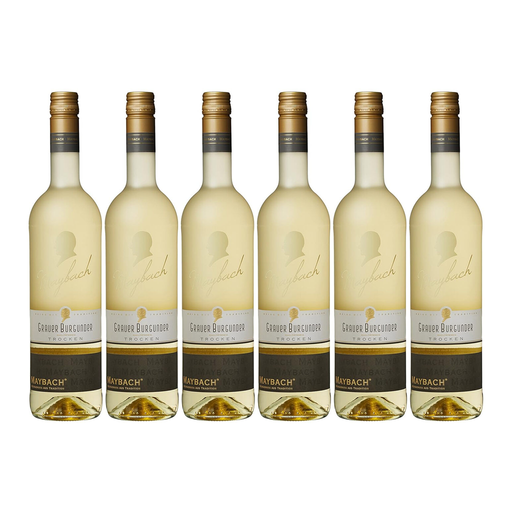
Why it's a great fit: This wine case is ideal for anyone who regularly enjoys a good glass of wine and appreciates excellent value for money. The Grauburgunder is an approachable and popular classic that appeals to a wide range of tastes.
Offers the reliable quality of a well-known brand, bypassing the risk of buying an unknown wine. The 6-pack case solves the problem of constantly needing to restock.
A convenient supply of a versatile food companion with aromas of peach and apple. Perfect for daily enjoyment and social gatherings.
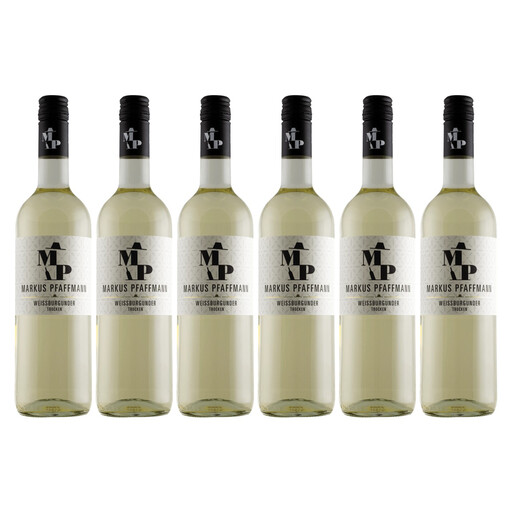
Why it's a great fit: For wine lovers seeking a characterful wine with a clear origin. Markus Pfaffmann is a renowned winemaker from the Pfalz region, whose wines are known for their clean fruit notes and high quality.
Goes beyond just the region's name to focus on a specific, respected producer. The detailed information on soil and aromas (pear, lemon, pineapple) provides transparency.
A wine with a distinct varietal profile and terroir character. The production is also vegan, and the winery is a member of Fair'n Green for sustainability.
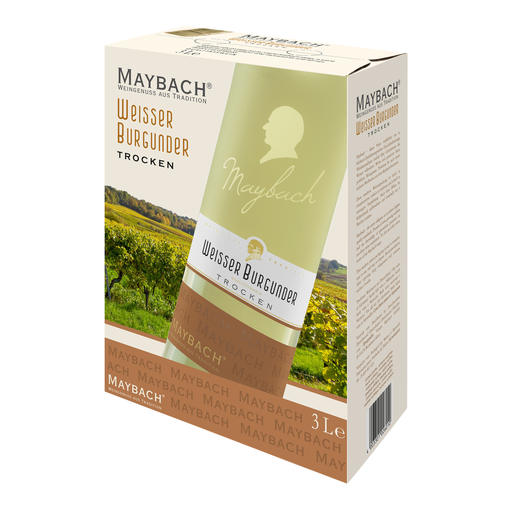
Why it's a great fit: The 3-litre Bag-in-Box is the perfect solution for parties, barbecues, or households with regular wine consumption. It offers unbeatable volume and stays fresh for weeks.
Solves the problem of wine waste for large groups. Instead of many individual bottles, the box offers a straightforward and cost-effective solution for serving.
Has a shelf life of about 4 weeks after opening. The elegant and aromatic Wei?burgunder pairs excellently with fish, poultry, asparagus, and pasta dishes.
If you want to discover more wines that meet our criteria for quality and enjoyment, you're sure to find the perfect product for your taste in our full collection.
1. What exactly does "dry" mean for German white wine? In Germany, a wine is considered dry if its residual sugar content does not exceed 4 grams per litre (g/l). Alternatively, it can have up to 9 g/l of residual sugar, provided the total acidity is no more than 2 g/l lower. This rule ensures a harmonious balance, even if the wine doesn't always taste bone-dry.
2. Which dry white wine pairs with which food? As a rule of thumb: light wines with light dishes, robust wines with robust dishes. A dry Wei?burgunder harmonises well with salads, steamed fish, and seafood. A dry Grauburgunder, with its fuller body, is an excellent match for roasted poultry, mushroom risotto, or dishes with cream-based sauces.
3. How do I properly store wine cases and Bag-in-Box wines? Both cased wine bottles and Bag-in-Box wines should be stored in a cool, dark place without significant temperature fluctuations. A pantry or cellar is ideal. The major advantage of the Bag-in-Box is that the vacuum-sealed bag protects the wine from oxidation after opening, allowing it to maintain its quality for several weeks.