
Lieferung heute & morgen

Qualitätsgarantie

Willkommens-Angebote freischalten: KOSTENLOSE Lieferung | Bis zu 80 % RABATT | Kostenlose 30-Tage-JoyPlus-Testphase
App herunterladen
As your Joybuy Product Recommendation Officer, I see every day how overwhelming the wine aisle can be. Especially when buying a dry Grauburgunder, many face the question: Which one is right for me? Before you make a decision you might later regret, I want to highlight some common pitfalls and provide you with practical points of reference.
Many shoppers are drawn to appealing labels or familiar brand names without knowing the crucial quality indicators. This often leads to disappointment. Two common mistakes are:
To ensure you find a wine that meets your expectations, you should check two to three key parameters. These will help you objectively assess a wine's quality and style.
The perception of a wine's taste largely depends on the relationship between sweetness and acidity.
Pay attention to the details on residual sugar (g/l) and total acidity (g/l) on the label or in the product description. A balanced ratio is often a sign of a well-made wine.
The Pinot family is diverse. The three most important dry representatives in Germany are:
The choice between these two depends on your personal preference and the occasion. For hearty dishes, a Grauburgunder is often the better choice, while a dry Wei?burgunder makes an excellent aperitif.
Two of the most important growing regions for Pinot varieties in Germany are Rheinhessen and the Palatinate (Pfalz).
To make your decision easier, we have selected a few wines that meet specific needs and avoid the pitfalls mentioned.
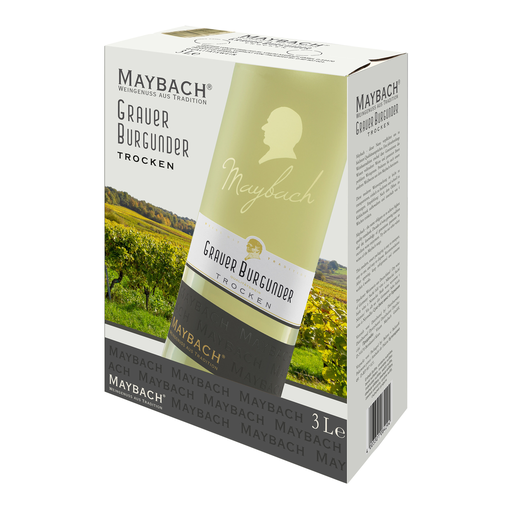
Why This Fits Their Persona: Ideal for anyone who regularly enjoys a glass of wine and values practicality. The Bag-in-Box is perfect for parties or for easily restocking your wine supply without constantly having to open new bottles.
Here, it's the content that counts, not the label. You get reliable quality for everyday enjoyment without paying for elaborate bottle design. The bulk packaging offers clear value for money.
The wine stays fresh for weeks after opening. Its aroma of peach and apple makes it an uncomplicated companion for light dishes.
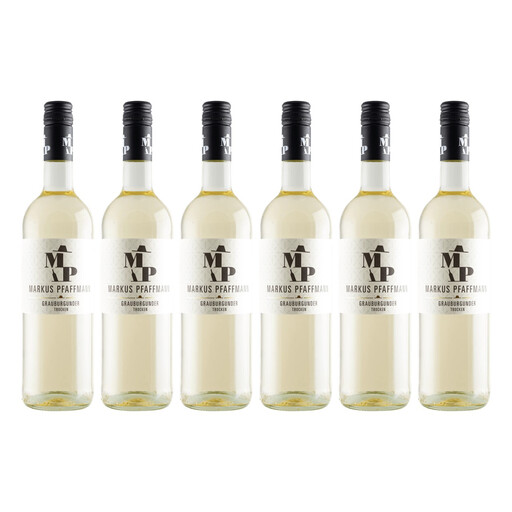
Why This Fits Their Persona: For wine drinkers who want to taste a region's character in their glass. This wine from the Palatinate (Pfalz) reflects its terroir and comes from a winemaker known for consistent quality and sustainable practices.
This wine bypasses the origin trap. Its value lies in its traceable provenance (calcareous marl soils around Walsheim) and meticulous vinification, not in an empty brand promise.
Aromas of apple, pear, and subtle herbal notes, paired with a fine minerality. The wine is also made with vegan methods, and the winery is a member of Fair'n Green.
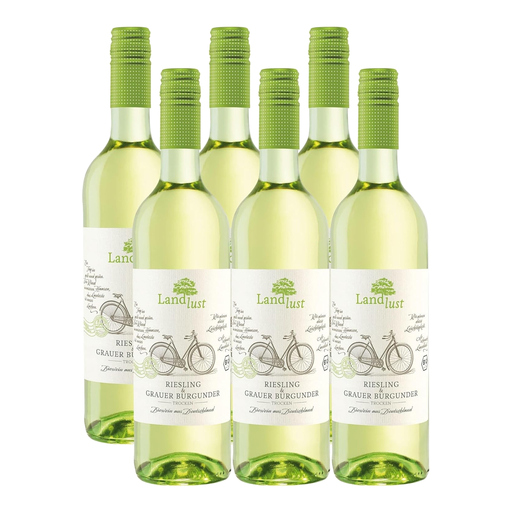
Why This Fits Their Persona: Perfect for shoppers who consciously look for organic cultivation and vegan production methods. This cuvée combines enjoyment with a clear conscience and clear, certified standards.
The "Bio" (organic) label here is not an empty marketing promise but is certified by the EU organic regulation. This creates a reliable and transparent basis for decision-making.
A certified organic white wine that is also vegan. The combination of Riesling and Grauburgunder ensures a harmonious balance of fruit (pear, almond) and crisp acidity.
We have compiled a complete, up-to-date list of products that fully meet these strict selection criteria and German regulations.
Grauburgunder and Pinot Grigio are names for the same grape variety. The name differs depending on the country of origin and wine style. In Germany, the name Grauburgunder is used for richer, fuller-bodied wines. The term Pinot Grigio usually refers to the lighter, crisper, and more acid-driven style popular in Italy.
Unopened bottles with a screw cap can be stored upright for 1-2 years in a cool, dark place without issue. After opening, the bottle should be tightly resealed and kept in the refrigerator. The wine will typically last there for 2-3 days without a noticeable loss in quality. Bag-in-Box packaging keeps the wine fresh for several weeks after the first pour, thanks to the vacuum-sealed bag.
Dry Grauburgunder is a very versatile food companion. Its robust body and moderate acidity levels harmonise well with a variety of dishes. It pairs excellently with pan-fried fish, white meats like poultry or veal, mushroom dishes, pasta with creamy sauces, and medium-bodied cheeses. For very light salads or delicate fish dishes, a lighter dry Wei?burgunder might sometimes be the more suitable choice.