
Lieferung heute & morgen

Qualitätsgarantie

Willkommens-Angebote freischalten: KOSTENLOSE Lieferung | Bis zu 80 % RABATT | Kostenlose 30-Tage-JoyPlus-Testphase
App herunterladen
Dry, brittle, or frizz-prone hair is a common problem, often exacerbated by heat styling, environmental factors, or chemical treatments. Hair oil seems like the obvious solution. However, the market is saturated with products whose marketing promises suggest more shine than their ingredients can actually deliver. Many users invest in an oil only to find that it weighs their hair down, makes it look greasy, or provides no long-term conditioning benefits.
As your Joybuy Product Recommendation Officer, I'm here to help you identify these pitfalls. Instead of relying on empty marketing claims, we'll focus on the objective criteria that define an effective hair oil.
The 2 Most Common Mistakes When Buying Hair Oil:
To find a suitable product that offers more than just superficial shine, you should examine two core aspects: the composition of the base oils and the specific active ingredients included.
The foundation of any hair oil is crucial for its conditioning effect. Pay attention to the order of ingredients (INCI list) on the packaging.
Different active ingredients are relevant depending on your hair concern. Look specifically for formulations tailored to your needs.
Based on the objective criteria above, we have selected a few products from our range that are suitable for specific user profiles and their needs.
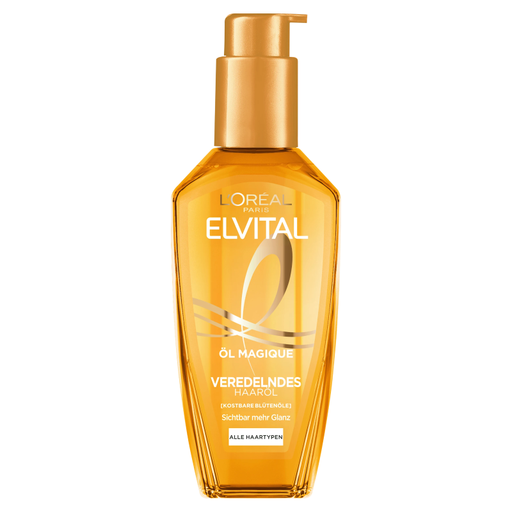
Why This Fits Their Persona: Ideal for users seeking a straightforward, versatile, and affordable solution for daily use. It tames frizz, adds shine, and protects hair during blow-drying or straightening.
The formula combines functional silicones for heat protection and smoothness with a blend of six flower oils. It thus offers more than just a superficial effect and counteracts a pure "silicone film."
Provides heat protection up to 230°C, making it a practical 2-in-1 product for conditioning and styling. Its versatile application (before washing, on damp or dry hair) is another advantage.
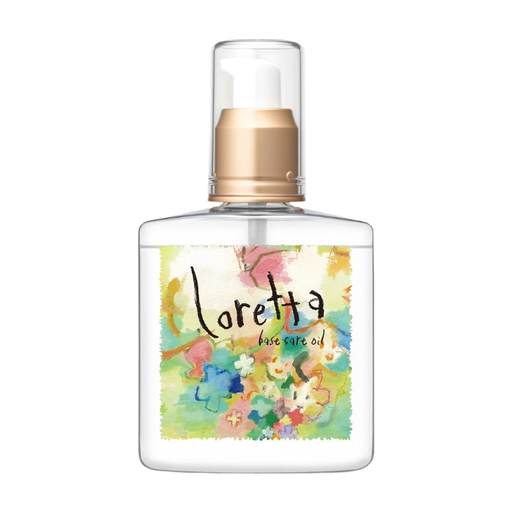
Why This Fits Their Persona: Perfect for users with fine to normal hair seeking weightless conditioning. Those who appreciate the Japanese hair oil trend and prefer a non-greasy formula will find a suitable option here.
The formula is officially described as lightweight with a low-tack feel. It directly addresses the pitfall of heavy oils and is explicitly designed not to weigh down the hair.
Its lightweight texture makes it ideal for use on dry hair to refine the ends without making the hair look greasy. The subtle scent of Damask rose oil provides a pleasant application experience.

Why This Fits Their Persona: Suitable for anyone specifically seeking the benefits of argan oil for hair. This is the right choice for those who want an intensive, nourishing treatment to strengthen and protect against styling damage.
The name "Penetrating Oil" and the focus on argan oil from Morocco indicate a formula designed to penetrate the hair shaft rather than just sitting on the surface. Argan oil is a key ingredient, not just a marketing add-on.
The formula offers dual protection: it shields the hair from both heat styling and UV rays. According to the manufacturer, it is free of sulfates and parabens.
We have compiled a complete, up-to-date list of products that fully meet these strict selection criteria.
1. How often should you use hair oil for dry hair? The frequency of application depends on your hair texture and the chosen product. For fine hair, 2-3 applications per week are often sufficient, working a few drops into the lengths and ends. For very thick, dry, or curly hair, daily use as an oil for hair ends can be beneficial to lock in moisture.
2. Doesn't hair oil weigh hair down? This is a valid concern, especially for fine hair. The key lies in the right product selection and application. Lightweight formulas and sparse application exclusively on the lengths and ends—keeping a clear distance from the roots—prevent a greasy or weighed-down look.
3. Can I use any hair oil as a heat protectant? No, not every hair oil automatically provides heat protection. Look for products that explicitly state they are a heat protection hair oil, ideally with a temperature rating (e.g., "Protection up to 230°C"). It's often the silicones in the formula that create this protective barrier against the heat from blow dryers, straighteners, or curling irons. Therefore, always check the manufacturer's product description.