
Lieferung heute & morgen

Qualitätsgarantie

Willkommens-Angebote freischalten: KOSTENLOSE Lieferung | Bis zu 80 % RABATT | Kostenlose 30-Tage-JoyPlus-Testphase
App herunterladen
By the Joybuy Product Recommendation Officer, August 30, 2026
Dry, brittle hair can be frustrating. It lacks shine, is prone to frizz and breakage, and often feels straw-like despite numerous care attempts. The search for the right shampoo for dry hair can feel like navigating a maze of marketing promises and hard-to-understand ingredient lists. Many products promise instant miracles but fail to deliver long-term results or even worsen the problem.
This guide will help you avoid common purchasing traps and make an informed decision. We'll focus on the objective criteria that define an effective moisturising shampoo, ensuring your hair gets the nourishment it truly needs.
Before we dive into solutions, it's important to recognise the most common pitfalls that often lead to disappointment and unnecessary spending:
To make the right choice, you should focus on proven ingredients and their function. Three parameters are crucial here.
Dry hair needs one thing above all else: moisture. Ingredients that attract and bind water within the hair are therefore essential. Look for the following ingredients near the top of the INCI list:
If your hair is not only dry but also damaged from colouring, heat styling, or environmental factors, you need a repairing shampoo. Such products often contain building blocks that help fortify the weakened hair structure.
A silicone-free shampoo isn't inherently better, but it's a beneficial choice for many people with dry or fine hair. Water-soluble silicones are easily rinsed out, while poorly soluble ones can lead to the build-up described earlier. A silicone-free formula, or one with light, water-soluble silicones, ensures that nourishing ingredients can reach the hair and that it isn't unnecessarily weighed down. This is often a key to achieving more volume and a long-lasting clean feeling.
Based on the criteria above, we have identified several products suitable for different user profiles and needs.
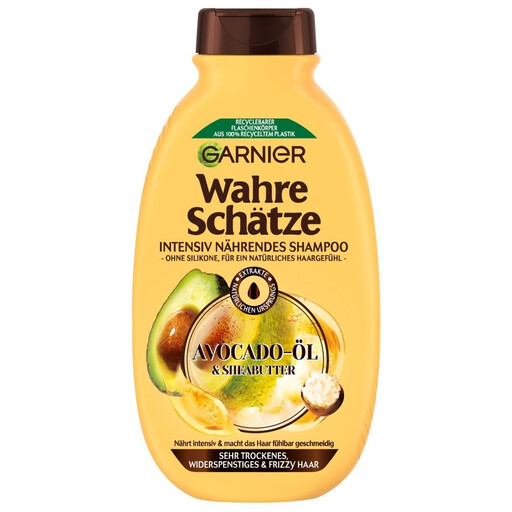
Why This Fits Their Persona: Offers solid, nourishing care with proven ingredients like avocado oil and shea butter at an accessible price point. Ideal for daily use on dry hair without breaking the budget.
Relies on rich, natural oils to nourish the hair rather than just coating it with superficial layers of silicone. The silicone-free formula prevents build-up.
Provides intense moisture without weighing hair down; silicone-free formula for a natural feel and improved manageability.
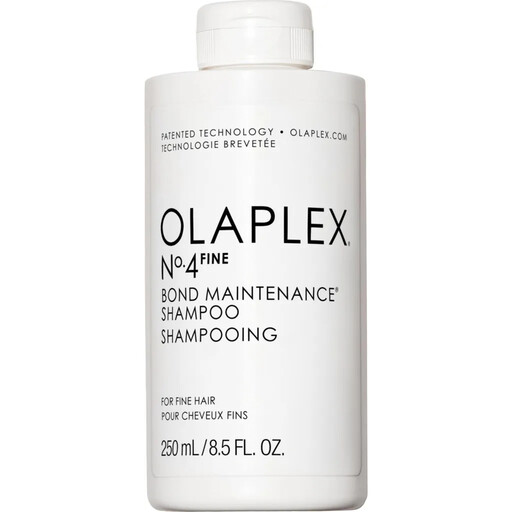
Why This Fits Their Persona: Specifically developed for hair damaged by colouring, heat, or mechanical stress. The formula aims to strengthen the hair structure from within, making it a great choice for a shampoo for damaged hair.
Goes beyond purely superficial care. Its brand-patented technology works on a molecular level instead of just creating a temporary smoothing effect.
Strengthens the hair structure at a molecular level (according to Olaplex); the formula is free from sulphates, silicones, and parabens.
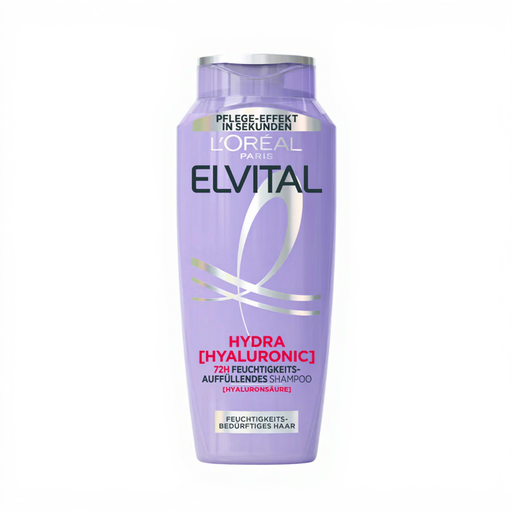
Why This Fits Their Persona: Perfect for those whose main concern is dehydration. The formula leverages the moisture-retaining properties of hyaluronic acid, well-known from skincare, to give hair an intense hydration boost.
Delivers long-lasting moisture (up to 72 hours, according to L'Oréal) without weighing hair down with heavy oils, thus avoiding the "greasy-fast" effect common with some moisturising products.
Formula with hyaluronic acid for intense hydration; adds fullness and acts as a shampoo for more shine without weighing hair down.
We have compiled a complete, real-time list of products that fully satisfy these strict selection criteria and UK safety regulations.
1. How often should you wash dry hair? For dry hair, it's advisable to limit washing to 2-3 times a week. Washing too frequently, especially with harsh shampoos, can strip the scalp of its natural oils and worsen dryness. Using a mild, moisturising shampoo is crucial.
2. Are silicone-free shampoos really better for dry hair? Not necessarily, but they are often beneficial. A silicone-free shampoo prevents the build-up of product residue that can weigh hair down and block the absorption of nourishing ingredients. This allows moisturising and repairing components to work more effectively. If you do choose a product with silicones, look for water-soluble versions (e.g., those ending in -cone, -xane, or copolymers like PEG/PPG).
3. Can a shampoo alone repair damaged hair? A repairing shampoo is an important first step to improve the hair's structure and minimise further damage. It cleanses gently and delivers initial nourishing ingredients. However, for intensive repair, especially on severely damaged hair, a holistic haircare routine for dry hair is recommended. Combining it with a suitable conditioner, a hair mask, and reducing heat styling typically yields the most sustainable results.