
Lieferung heute & morgen

Qualitätsgarantie

Willkommens-Angebote freischalten: KOSTENLOSE Lieferung | Bis zu 80 % RABATT | Kostenlose 30-Tage-JoyPlus-Testphase
App herunterladen
The arrival of a new kitten is an exciting moment. Along with the joy comes the responsibility of laying the foundation for a long and healthy life. A cornerstone of this foundation is nutrition. Especially during the first 12 months—a critical growth phase—your little feline friend has unique nutritional needs. However, choosing the right food can be overwhelming given the many options on the market.
This guide is designed to help you make an informed decision. We'll explain the key criteria for selecting Dry Kitten Food and present a curated selection of products tailored to the needs of young cats.
A kitten's nutritional requirements differ significantly from those of an adult cat. Their bodies are developing rapidly, which means they have a higher need for energy and specific nutrients. Here are three key points to consider in your decision.
Kittens are very active and grow quickly. They therefore require a food with high energy density to meet their daily needs. Proteins are the building blocks for muscles, organs, and the immune system. A kitten food with a high meat content is often a good benchmark, as cats are natural carnivores and can utilise animal proteins particularly well. Pay attention to the declared percentage of animal protein in the overall composition. This growth formula for cats should be specially formulated to support these intensive growth phases.
In addition to energy and protein, certain vitamins and fatty acids are essential for healthy development.
A high-quality cat food for young cats will contain these nutrients in appropriate amounts.
A kitten's digestive system is still sensitive. Some cats react to certain ingredients like grains. A grain-free kitten food can be a suitable alternative in such cases to support digestion. Look for a transparent ingredient list without unnecessary fillers, artificial colours or preservatives, and added sugar. The kibble size should also be adapted to a kitten's small mouth to make it easier to eat.
Based on the criteria above, we have compiled a selection of dry food products designed for the growth phase of kittens.
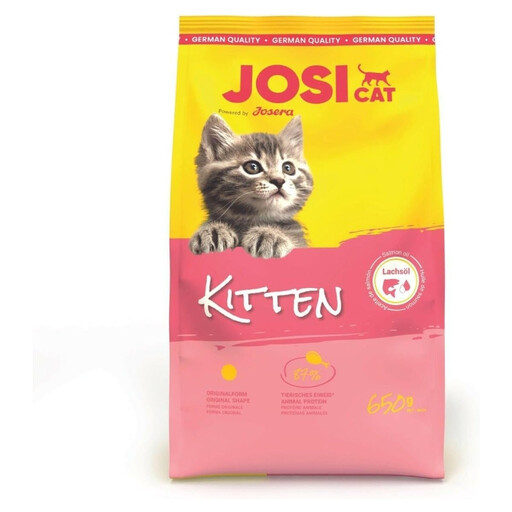
Why it stands out: JosiCat Kitten offers a straightforward and nutrient-rich recipe specifically tailored to the needs of growing, pregnant, or lactating cats. According to the manufacturer, 87% of the total protein comes from animal sources, supporting species-appropriate nutrition.
Advantages:
Who it's for: For cat owners looking for a solid complete food that offers great value for money and provides all the essential nutrients for the growth phase.
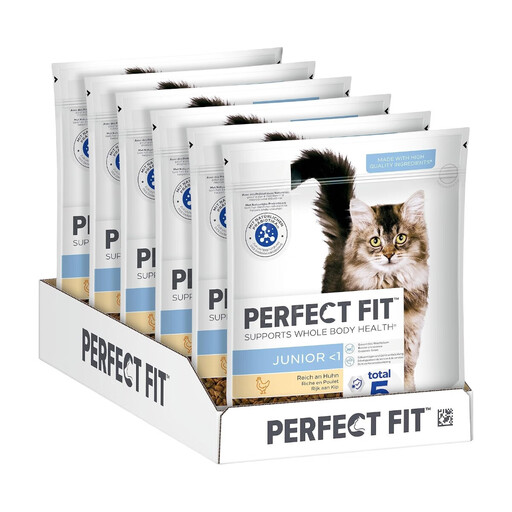
Why it stands out: This food was developed with the "Total 5 Formula," which covers five key health areas: healthy digestion, strong natural defences, urinary tract health, optimal weight, and healthy skin & coat. It contains fish oil as a natural source of DHA.
Advantages:
Who it's for: For owners of kittens under one year old who prefer a comprehensive formula for the holistic support of their pet's health and development.
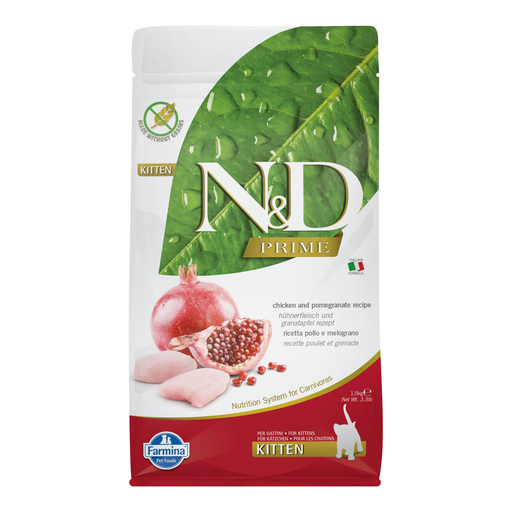
Why it stands out: Farmina N&D Prime Kitten is a grain-free kitten food with a very high percentage of animal ingredients. According to the manufacturer, 98% of the protein is of animal origin, with a total of 58% chicken.
Advantages:
Who it's for: For cat owners seeking a premium, grain-free food with an exceptionally high meat content to optimally nourish their kitten's carnivorous nature.
The right nutrition is just one part of what your new family member needs. From toys and scratching posts to cosy beds, a kitten's needs are diverse.
? Discover our entire range for kittens here
Kittens typically begin to try solid food at around three to four weeks of age. At this point, you can start offering them moistened dry food for kittens. Mix the kibble with water or a special kitten milk replacer to create a mash, which eases the transition from their mother's milk. By about six to eight weeks, most kittens can eat dry kibble.
The required amount of food depends on the kitten's age, weight, activity level, and the specific food formula. Always follow the feeding guidelines on the manufacturer's packaging. These are reference values. Since kittens have small stomachs but high energy needs, it is advisable to divide the daily ration into several small meals. Always provide fresh drinking water.
Not necessarily. A grain-free kitten food is primarily beneficial for kittens with a diagnosed intolerance or sensitivity to grains. Grains like corn or wheat, in moderate amounts, can be a digestible source of energy. More important than the "grain-free" question is the overall quality of the ingredients and a balanced, nutrient-rich composition tailored to the needs of a growing organism.