
Lieferung heute & morgen

Qualitätsgarantie

Willkommens-Angebote freischalten: KOSTENLOSE Lieferung | Bis zu 80 % RABATT | Kostenlose 30-Tage-JoyPlus-Testphase
App herunterladen
Finding the right dry Pinot Blanc can be a challenge given the vast array of growing regions, winemakers, and styles. This article serves as an objective guide to assist you in your selection. We will introduce various options and explain the key characteristics to look for, helping you find a wine that perfectly matches your preferences.
To make an informed decision, some basic knowledge about origin, cultivation methods, and packaging formats is helpful.
The region a German Pinot Blanc comes from significantly shapes its character. Two of the most renowned growing areas for this grape variety are the Pfalz and Rheinhessen.
Sustainability in viticulture is gaining increasing importance. Two key labels are Organic Pinot Blanc and Vegan Pinot Blanc.
The choice of packaging depends on the intended occasion and consumption habits. While the 0.75-litre glass bottle is the standard, the bag-in-box packaging offers practical advantages for certain situations. The wine is vacuum-sealed in an inner bag with a tap, which protects it from oxidation for several weeks after opening. This is ideal for occasional enjoyment or for celebrations where larger quantities are needed.
Here you will find a selection of wines that cater to different profiles and needs. The descriptions are based on information provided by the producers.
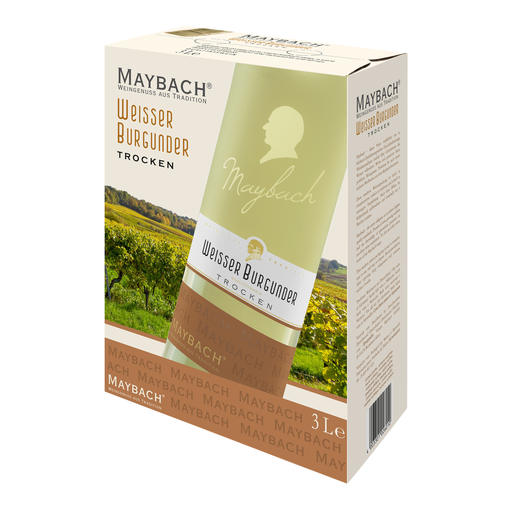
Why It Stands Out This dry Pinot Blanc is offered in a practical 3-litre bag-in-box format. According to the manufacturer, the wine stays fresh for up to four weeks after opening, making it a flexible option for regular enjoyment.
Advantages
Who Is It For? For wine drinkers seeking great value who are looking for a straightforward, everyday wine and appreciate the benefits of a longer shelf life after opening. Also a great choice for hosts of social gatherings.
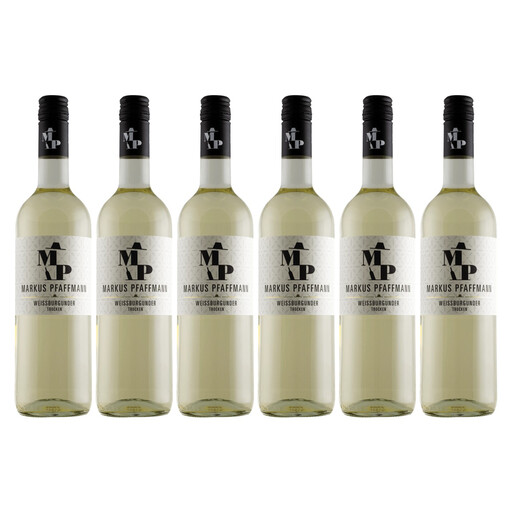
Why It Stands Out This vegan Pinot Blanc comes from the Markus Pfaffmann winery in the Pfalz region. The winery has been a member of Fair'n Green, an initiative for sustainable viticulture, since 2015. The wine is aged in stainless steel tanks to preserve its varietal aromas.
Advantages
Who Is It For? For wine drinkers who value sustainable and vegan production methods and are looking for a characterful yet approachable dry white wine from the Pfalz. An ideal food pairing wine.
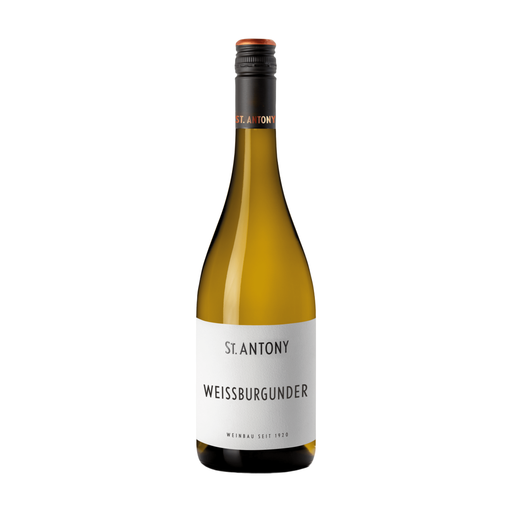
Why It Stands Out This organic Pinot Blanc from the VDP winery St. Antony in Rheinhessen is not only certified organic (DE-?KO-039) but also cultivated according to Demeter guidelines. The grapes come from vineyards of the famous Roter Hang (Red Slope), whose soils are known for their minerality.
Advantages
Who Is It For? For discerning connoisseurs who prefer a wine with a distinct terroir-driven character and mineral depth. An excellent choice for enthusiasts who wish to support biodynamic viticulture.
If you haven't found the right wine in this selection or wish to expand your repertoire, you can find more options in our category.
Discover our entire range of beers, wines, and spirits
A classic Pinot Blanc food pairing recommendation includes a wide range of dishes. Its moderate acidity and delicate fruitiness harmonize well with light foods. These include fish and seafood, white poultry, asparagus dishes, mild cheeses, and pasta with light sauces.
A dry Pinot Blanc is typically characterized by a subtle yet present acidity and a medium body. The aroma spectrum often includes notes of green and yellow apples, pears, citrus fruits, and quince. Depending on the aging process and origin, nutty or mineral notes may also be present.
Yes, Pinot Blanc is the internationally used, French name for the Wei?burgunder grape variety. In Italy, it is known as Pinot Bianco. So, if you are looking for a dry Pinot Blanc, you are referring to the same type of wine as a dry Wei?burgunder.