
Lieferung heute & morgen

Qualitätsgarantie

Willkommens-Angebote freischalten: KOSTENLOSE Lieferung | Bis zu 80 % RABATT | Kostenlose 30-Tage-JoyPlus-Testphase
App herunterladen
By Joybuy Product Recommendation Officer, August 29, 2026
Pinot Gris, known in Germany as Grauburgunder or Grauer Burgunder and internationally as Pinot Grigio, is one of Germany's most popular white wines. Its versatility makes it a favourite for many occasions. However, the vast selection can make choosing difficult. Not every wine labelled "dry" delivers on its promise, and some labels hide a style that doesn't meet expectations. This guide will help you recognise the key characteristics and find a Pinot Gris that perfectly suits your taste.
Before you decide on a wine, it's helpful to understand two common misconceptions that can lead to an unsuitable choice.
Confusing Origin with Style: Many people don't realise that Grauburgunder and dry Pinot Grigio are made from the same grape variety. However, the name often reveals the style. While an Italian Pinot Grigio is typically light, crisp, and crafted with notes of citrus and green apples, a German Grauburgunder, especially from warmer regions like Baden, is often more full-bodied, with aromas of ripe pears, nuts, or almonds. Someone looking for a light aperitif might be surprised by a robust wine from Baden—and vice versa.
The Definition of "Dry": The term "trocken" (dry) on the label is legally defined but allows for some leeway. A wine is considered dry if its residual sugar content does not exceed a certain level (usually up to 9 g/l, depending on the acidity). However, a wine with 8 g/l of residual sugar and low acidity can taste sweeter than a wine with 6 g/l of residual sugar and pronounced acidity. The acidity provides freshness and balances the sweetness. Therefore, those seeking a truly dry, mineral-driven wine should also pay attention to the origin and the winemaker's typical style.
To find the right wine, focus on two core factors: the origin, which shapes the fundamental character, and the production method, which provides the finishing touch.
The growing region (terroir) has a significant influence on the wine's character. In Germany, three regions are particularly known for high-quality Pinot Gris:
The way a wine is made influences its texture and complexity.
Here are some recommendations tailored to different taste profiles and use cases.
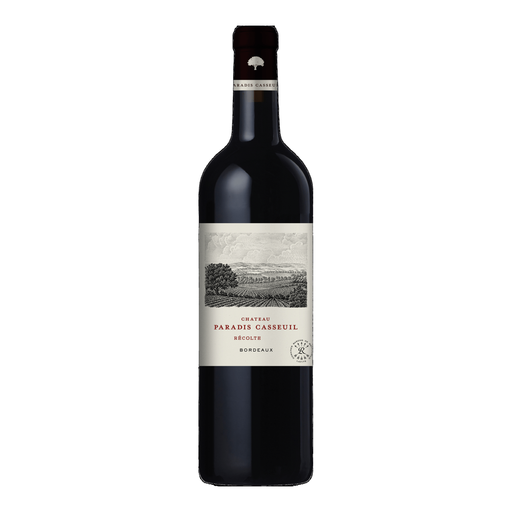
Why This Fits Their Persona: They're looking for a classic, reliable German white wine that works both on its own and as a food pairing. They appreciate the quality of a wine from a renowned region like Baden.
This wine represents the typical style of a Grauburgunder from Baden: full-bodied and structured, but vinified as a dry Kabinett. It's not a light, simple Pinot Grigio, but a characterful wine for dining.
Sourced from the Kaiserstuhl in Baden, known for its mineral-rich soils. A versatile food companion, ideal as a wine with fish, poultry, or creamy pasta dishes.
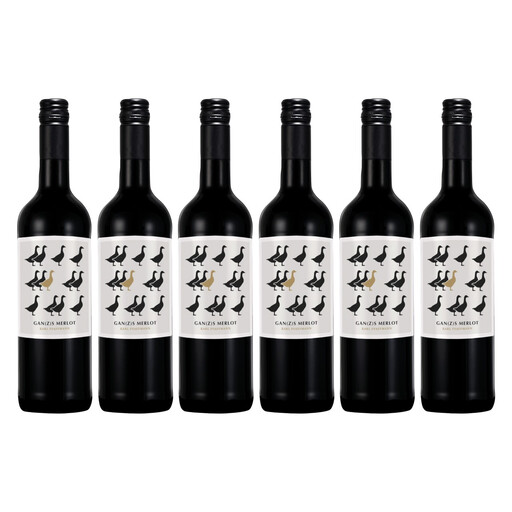
Why This Fits Their Persona: Enjoys buying proven quality in bulk. Seeks a versatile, dry German white wine that suits many occasions and offers good value in a Pinot Gris case.
This wine from the Pfalz offers a clear, fruit-forward, and balanced dry style. It avoids the excessive heaviness of some Pinot Gris wines, remaining elegant and fresh, which makes it very reliable.
Is produced as a vegan wine. The aromas of ripe pears and citrus fruits make it an all-rounder. Convenient screw cap and delivery in a 6-bottle case.
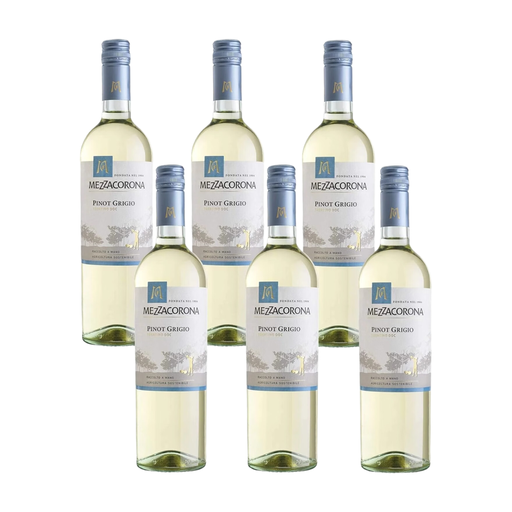
Why This Fits Their Persona: Prefers the light, fresh, and uncomplicated wine style that is ideal as an aperitif or for social gatherings on warm days. Specifically looks for the classic dry Pinot Grigio.
This wine perfectly meets the expectation of an Italian Pinot Grigio. It is intentionally vinified to be light and fresh, avoiding the weight and complexity one might find in a German Grauburgunder.
Comes from Trentino, an Alpine region known for its crisp white wines. Clear aromas of green apple and citrus. Ideal for light appetisers, salads, and seafood.
We've compiled a complete, real-time updated list of products that fully meet these strict selection criteria and quality standards.
1. What is the difference between Grauburgunder, Grauer Burgunder, and Pinot Grigio? All three names refer to the same white grape variety. "Grauburgunder" and "Grauer Burgunder" are the common names used in Germany and Austria. "Pinot Grigio" is the Italian name. Although the grape is identical, the wines often differ in style, conditioned by the climate, soil, and winemaking methods of the respective country or region.
2. What foods pair well with dry Pinot Gris? Dry Pinot Gris is an extremely versatile food companion. Lighter styles (like Pinot Grigio) pair well with salads, antipasti, seafood, and light fish dishes. More powerful, full-bodied Pinot Gris from regions like Baden harmonise excellently with roasted fish, white meat (poultry, veal), mushroom dishes, creamy pasta, or even mild cheese.
3. What is the best way to store a case of Pinot Gris? A 6-bottle case of wine should be stored in a cool, dark place with a constant temperature, ideally lying down so the cork remains moist. A cellar or a special wine fridge is optimal. Avoid direct sunlight and significant temperature fluctuations, as these can damage the wine. Wines with a screw cap can also be stored upright.