
Lieferung heute & morgen

Qualitätsgarantie

Willkommens-Angebote freischalten: KOSTENLOSE Lieferung | Bis zu 80 % RABATT | Kostenlose 30-Tage-JoyPlus-Testphase
App herunterladen
The search for the right dry red wine can quickly become complex. The shelf is filled with tempting labels and a multitude of grape varieties and countries of origin. But not every promise on the bottle leads to a satisfying tasting experience. Many wine drinkers invest in wines that don't meet their expectations, often swayed by clever marketing. This guide will help you identify the crucial criteria and make an informed choice.
Before you buy a dry red wine, it's helpful to know the most common stumbling blocks that often lead to disappointment.
To find a dry red wine that you'll enjoy, focus on objective characteristics rather than marketing promises.
The grape variety is the most important indicator of a wine's fundamental flavour profile. Instead of relying on vague descriptions, orient yourself by the typical characteristics of well-known varieties:
The origin provides clues about the climate in which the grapes ripened, which significantly influences the wine's style. A Cabernet Sauvignon from the cooler Bordeaux region tastes different from one from sunny California. The type of ageing (stainless steel tank or oak barrel) is also crucial. Ageing in a stainless steel tank preserves fresh fruitiness, while maturation in an oak barrel imparts notes of vanilla, smoke, or spice, as well as additional structure.
The term "dry" is legally defined and refers to the residual sugar content in the wine. In Germany, a wine is considered dry if it has a residual sugar content of no more than 4 grams per litre. An exception allows for up to 9 grams per litre, provided the total acidity is no more than 2 grams per litre lower than the residual sugar content. This interplay of sweetness and acidity determines the wine's balance and is a more reliable indicator than any flowery description.
Here are some recommendations tailored to specific needs and taste profiles, taking the aforementioned criteria into account.
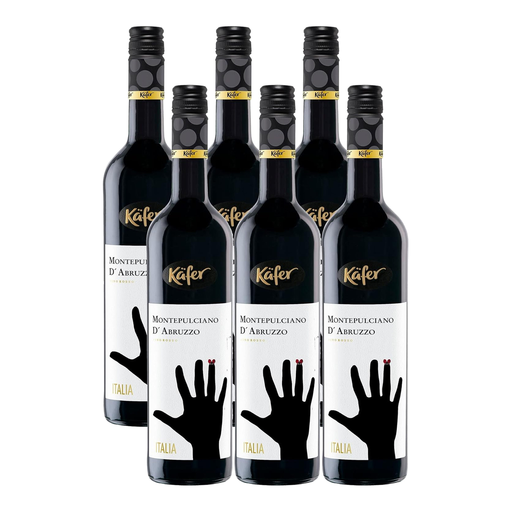
Why This Fits Their Persona: Ideal for anyone looking for a reliable and straightforward Italian red wine for daily enjoyment. The wine package offers excellent value for money and is perfect for stocking up for social evenings or pairing with pasta and pizza.
This wine bypasses the price-quality illusion. It offers solid, true-to-type quality without the premium of an over-marketed label. An honest wine for every day.
Grape Variety: Montepulciano. Taste: Distinctly fruity with cherry aromas and a fine acidity. Pairs well with hearty dishes.
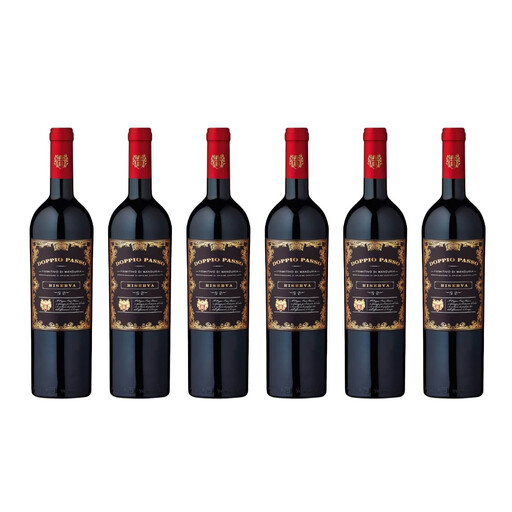
Why This Fits Their Persona: For wine drinkers seeking an intense and full-bodied red wine to accompany grilled meats, roasts, or flavourful cheese. This Primitivo delivers the expected richness and complexity.
Here, the "Riserva" designation is justified by the production method (Ripasso method) and the protected designation of origin (Manduria). The added value lies in the traceable production process, not just the name.
Production Method: Double fermentation on the grape skins for more density. Taste: Notes of blackberries, plums, vanilla, and toasted aromas. Full-bodied and explosive on the palate.
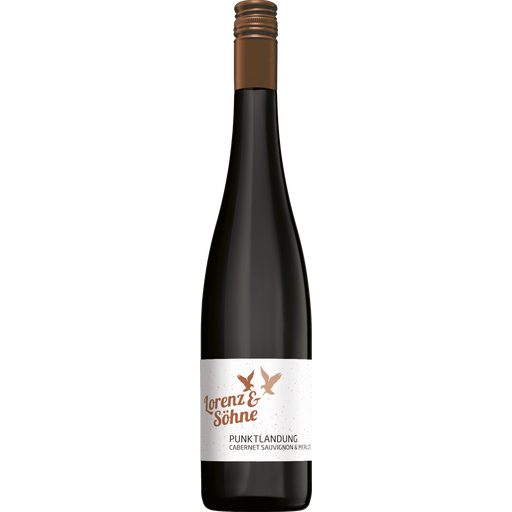
Why This Fits Their Persona: An excellent choice for connoisseurs specifically seeking high-quality German red wines. This cuvée of Cabernet Sauvignon and Merlot from the Nahe region impressively showcases the potential of German winemakers.
This wine focuses on transparency: the "Qualit?tswein" (quality wine) designation with a clear origin (Nahe) and grape varieties builds trust. It relies on its character, not on vague marketing terms.
Cuvée: A harmonious blend of two grape varieties. Taste: Aromas of blackcurrants, forest fruits, and a hint of cocoa. Well-structured tannins and a fine acidity.
We've compiled a complete, up-to-date list of products that fully meet these strict selection criteria and regulatory standards.
1. What exactly does "dry" mean for red wine? In Germany, a red wine can be labelled "trocken" (dry) if its residual sugar content is a maximum of 9 grams per litre. In this case, the acidity level must be no more than 2 g/l lower than the residual sugar content. This balance ensures the wine does not taste sweet.
2. How long does an opened bottle of dry red wine last? After opening, a dry red wine should be tightly sealed and stored in the refrigerator. This way, it generally remains enjoyable for 3 to 5 days. Bolder wines with more tannins tend to last slightly longer than lighter, fruitier wines.
3. What is the ideal temperature for dry red wine? The recommended serving temperature for most dry red wines is between 16 and 18°C (60-64°F). Lighter red wines like a Sp?tburgunder (Pinot Noir) can also be served slightly cooler (around 14–16°C or 57-60°F), while very bold, tannin-rich wines like a Cabernet Sauvignon best unfold their aromas at 18°C (64°F). A temperature that is too high will make the alcohol more prominent and cause the wine to seem unbalanced.