Which option is right for you?

If you prepare rice in portions for cooking

If you divide dry rice into portions for several meals, you’ll need suitable bags and an appropriate sealing function. CASO Design recommends filling bags to no more than two-thirds full to ensure a reliable seal.

If you regularly take rice from the same supply

If you take rice out regularly and want to reseal the supply afterwards, a tightly closing container could be a good choice. For storing dry goods, the Consumer Advice Centre recommends keeping them dry in tightly sealed containers.

If you pack larger quantities in one go

If you’re preparing lots of portions one after another, a suitable workflow, bag width and a supply of film all matter. Rommelsbacher says the VAC 285 can be used without breaks between cycles. This is a manufacturer’s claim, not an independent comparison of speeds.

What should you look for when buying?

Bar vacuum sealer with bags

A good fit if: you want to divide dry rice into separate, sealed portions for cooking.

The trade-off: You’ll need suitable packaging material for every portion you seal.

Vacuum container with pump

A good fit if: you regularly take rice from the same supply and want to reseal the container afterwards.

The trade-off: A container isn’t a substitute for individually sealed portions for cooking. The pump and container need to be compatible.

Airtight storage container

A good fit if: dry storage and a secure seal matter more to you than vacuum-sealed individual portions.

The trade-off: The rice won’t be vacuum-sealed or divided into portions for cooking.

What you need What to check before buying Who is this important to?
Suitable portions with a secure seal Appliance type and bag structure; sealing function and suitable bag width. If I want to pack rice individually for several meals, the bags and seals need to suit my portions. Around 36% of consumers say individually sealed portions are their main priority.
Opening the supply repeatedly Container size and a tight-fitting lid; for a vacuum system, check that the pump and valve are compatible. If I regularly take rice from the same supply, I want to be able to reseal it easily afterwards. Around 29% of consumers say this is their main priority.
Packing lots of portions one after another Information on breaks between cycles, bag width and cutting guides, as well as what’s included. If I’m dividing up a larger shop in one go, I need a process that suits the bags and portions I’ll be using. Around 21% of consumers want to pack lots of portions in one go.
Keeping ongoing material use down Bags included and compatible bags needed later; check whether an airtight container would be enough. If I regularly use my rice supply, I don’t want to have to seal a new bag every time I take some out. Around 14% of consumers want to save on packaging materials.

Common buying mistakes

  • Taking a freshness claim as proof that rice will keep for longer

    Claims about keeping other foods fresher for longer don’t prove that dry rice will have a specific additional storage life.

    First decide whether you need individual sealed portions for cooking. Whatever you choose, store dry rice in a dry place in a tightly sealed container.

    If a storage container is enough for your needs, buying an appliance and extra bags could mean using packaging materials unnecessarily.

  • Using bags with an appliance without checking they’re compatible

    CASO Design specifies that smooth-edged sealing bags are only suitable for chamber vacuum sealers. With a bar sealer, you need to check the appliance type, bag structure and maximum width together.

    Before buying, check that the bags are designed for your appliance and suit the portion sizes you want.

    If the packaging material isn’t suitable, you may have to buy different bags.

  • Assuming vacuum-sealed cooked rice is safe to store

    The Lower Saxony State Office for Consumer Protection and Food Safety warns of risks from Bacillus cereus when cooked rice is kept warm or unrefrigerated.

    Treat cooked rice as perishable leftovers and follow food safety guidance. The State Office recommends putting leftovers in the fridge immediately after cooking, in small portions.

Brands to consider

CASO Design

The VC 10 bar vacuum sealer and compatible embossed bags are an option for individually sealed portions.

  • CASO Design lists a separate sealing function for the VC 10, a sealing width of up to 30 cm and ten bags measuring 20 × 30 cm.
  • Allow for suitable bags for any additional portions. These specifications don’t prove that rice will keep for any particular length of time.

Rommelsbacher

The VAC 285 is an option if you want to portion larger quantities in one go.

  • Rommelsbacher lists operation without breaks between cycles, film up to 30 cm wide, a cutting blade and ten bags included.
  • These are manufacturer’s claims, not an independent comparison of operating speed with other appliances.

Severin

The FS 3610 is a bar vacuum sealer with a stop function and built-in cutter.

  • Severin says it’s suitable for vacuum bags and rolls up to 28 cm wide.
  • If you have wider rolls, check they’re compatible. A claim that delicate foods stay fresher for longer isn’t proven evidence of how long rice will keep.

ZWILLING

Fresh & Save CUBE combines storage containers that can be opened repeatedly with a compatible vacuum pump.

  • If you need to take rice out regularly, a container may be more practical than using a new sealed bag for every portion.
  • You’ll need a compatible Fresh & Save pump to use the vacuum function. The containers aren’t a substitute for individually sealed portions.

Joybuy products

These products are bag vacuum sealers or a bag system for storing food in portions. If rice will come into direct contact with a bag or container, check that the material is suitable for food contact. According to the European Commission, food contact materials on the EU market are covered by Regulation (EC) No 1935/2004.
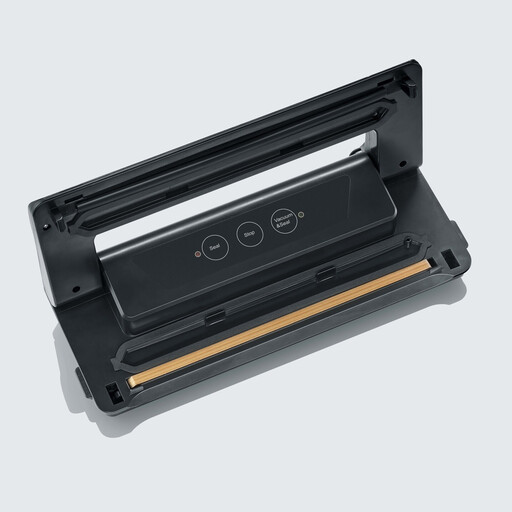
Severin FS 3610 vacuum sealer with 10 vacuum bags (28 × 35 cm)

Severin FS 3610 vacuum sealer with 10 vacuum bags (28 × 35 cm)

For individually packed portions; this model is designed for bags and rolls up to 28 cm wide.

Product name lists fully automatic vacuum sealing and ten bags measuring 28 × 35 cm.

View at Joybuy
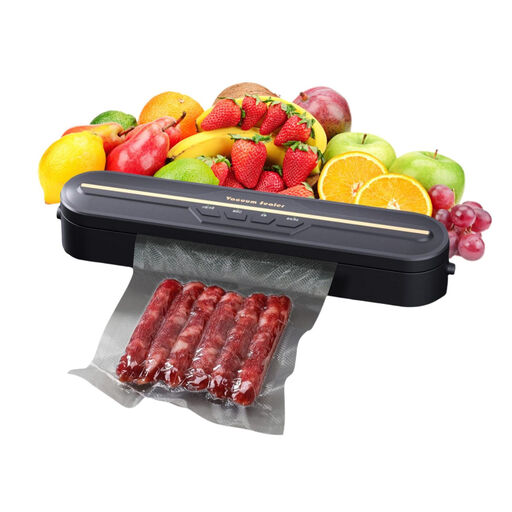
Vacuum sealer with 120 W, 28 cm sealing width and 10 bags

Vacuum sealer with 120 W, 28 cm sealing width and 10 bags

For packing portions in bags; bear the stated sealing width in mind when checking it against the bags you want to use.

The product name lists 120 W, a sealing width of 28 cm, suitability for dry and moist foods, and ten vacuum bags.

View at Joybuy
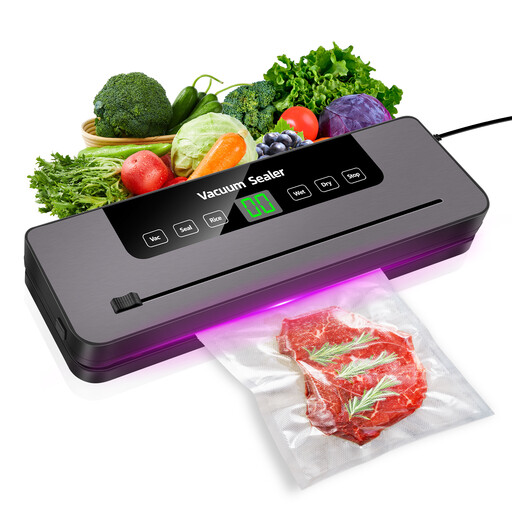
Vacuum sealer with 10 bags and built-in cutter

Vacuum sealer with 10 bags and built-in cutter

For storing portions in bags; a cutter can be useful for cutting bags to your preferred size.

The product name lists ten bags and suitability for sealing dry and moist foods.

View at Joybuy
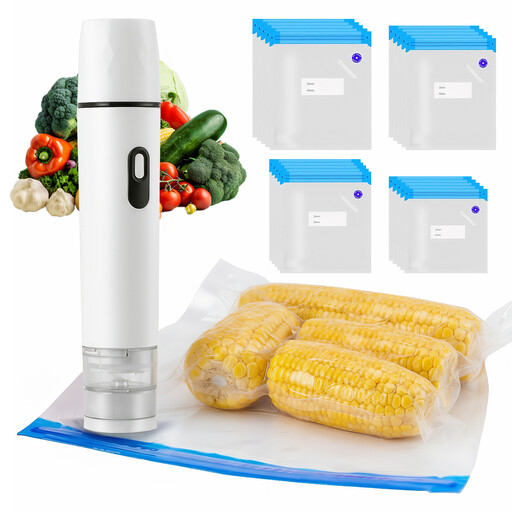
Compact portable vacuum sealer with 20 reusable bags

Compact portable vacuum sealer with 20 reusable bags

The product description says the bags can be reused; check whether the specific bag valve suits your needs.

The product name lists a compact, portable design and a set of 20 reusable bags.

View at Joybuy
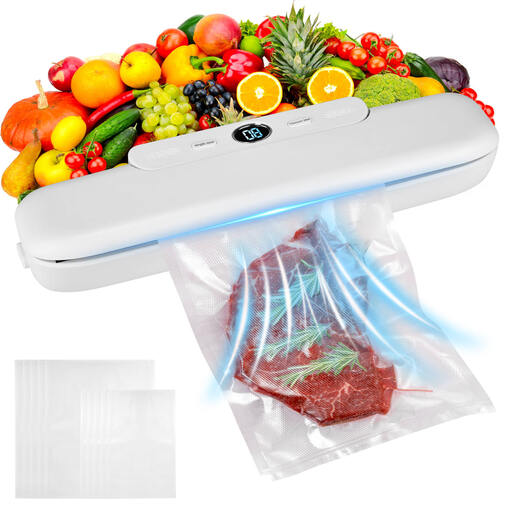
Vacuum sealer with push-button controls and 10 vacuum bags

Vacuum sealer with push-button controls and 10 vacuum bags

For packing portions in bags; make sure you only use bags designed for the appliance.

The product name lists push-button controls and ten vacuum bags.

View at Joybuy

Frequently asked questions

Does uncooked rice need to be vacuum-sealed?

No, vacuum packaging isn’t essential for storing dry rice. The Consumer Advice Centre recommends storing dry goods in a dry place in tightly sealed containers and protecting them from significant temperature fluctuations. A vacuum sealer is mainly a matter of how you want to portion and package your rice.

How can I get a neat seal when sealing dry rice?

Use bags that are compatible with your appliance and keep the bag opening clean and dry when sealing. CASO Design also recommends filling bags to no more than two-thirds full. This is the manufacturer’s advice on using the appliance, not a legal filling limit.

Can I leave vacuum-sealed cooked rice unrefrigerated?

No. The Lower Saxony State Office for Consumer Protection and Food Safety warns of risks from Bacillus cereus when cooked rice is stored warm or unrefrigerated. It recommends putting leftovers in the fridge immediately after cooking, in small portions. This is different from portioning dry rice.

What should I look for in bags that will come into direct contact with rice?

Check that the specific bag or container is suitable for food contact. According to the European Commission, food contact materials on the EU market must comply with Regulation (EC) No 1935/2004. Information about the vacuum sealer alone doesn’t prove that the packaging material is suitable.

What should I consider when buying bags and if an appliance develops a fault?

Check how many bags are included and which compatible bags you’ll need later. If a newly purchased item is faulty, consumers in Germany can, according to the Consumer Advice Centre, exercise their statutory rights against the seller within two years of receiving it. This is separate from a manufacturer’s guarantee.