
Lieferung heute & morgen

Qualitätsgarantie

Willkommens-Angebote freischalten: KOSTENLOSE Lieferung | Bis zu 80 % RABATT | Kostenlose 30-Tage-JoyPlus-Testphase
App herunterladen
The right moisturiser should help dry skin feel smoother, reduce feelings of tightness and fit easily into your daily skincare routine. The choice ranges from lightweight face cream and rich body cream to targeted care for very dry or irritated skin. However, claims such as “intensive hydration”, “soothing” or “for all skin types” are not sufficient criteria on their own.
A body cream may be too rich for the face or contain a fragrance that is undesirable for sensitive skin. Conversely, a lightweight face cream may not be enough for very dry areas of the body, such as elbows, hands or heels. Before buying, therefore, check the intended use, texture and skin type.
Although a fragrance-free cream contains no added fragrance, this does not automatically mean it will suit everyone. Plant oils, preservatives or individual skincare ingredients may also be unsuitable for some people. If you have sensitive skin, it is worth checking the complete INCI list. Products containing fragrance should also be checked for declared fragrance allergens.
Terms such as hyaluronic acid, ceramides or urea may sound meaningful, but on their own they say little about whether a product is suitable. The overall formulation, concentration, consistency and intended use are what matter. A urea cream may be worth considering for dry areas of the body, while a rich product containing oils and shea butter may be better suited to a different everyday skincare need.
For dry to very dry skin, richer formulations containing glycerin, urea, shea butter, plant oils or petrolatum are often suitable. A cream for sensitive skin should ideally have a straightforward formulation and contain no unnecessary fragrances. For oily or blemish-prone facial skin, a lighter, non-sticky texture may feel more comfortable.
Also check whether the moisturiser is intended for the face, body, hands or specific dry areas. An anti-ageing cream is mainly aimed at shoppers who also want to care for the appearance of lines and achieve a more even-looking complexion. It does not automatically replace basic care for very dry skin.
The ingredients list on the packaging is decisive, as product information and formulations can change. For children, known allergies or very sensitive skin, use should be particularly cautious.
A 50-ml face cream jar cannot be directly compared with a 450-ml body cream. Larger containers are often more practical for regular full-body care. A firm, nourishing cream is more suitable for dry areas, while a lotion can be spread more quickly and leave fewer traces in everyday use.
Apply the product to slightly dried skin after washing. When trying a new product, it is advisable to test it on a small area first. If redness, itching or persistent stinging occurs, stop using it. Open or severely altered areas of skin should not be treated with cosmetic self-care products.
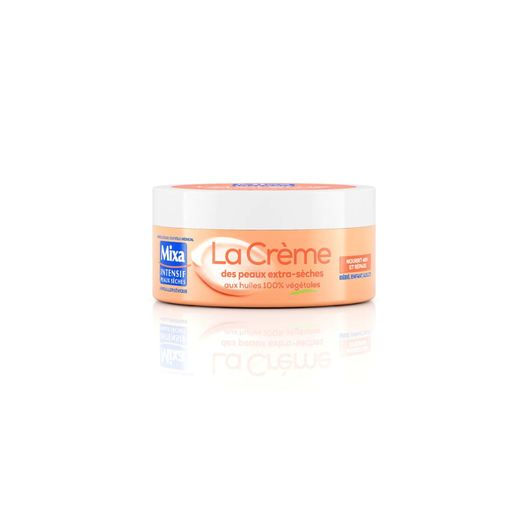
Why this product suits this profile: The 150-ml cream is suitable for the face, body and hands, making it a versatile everyday skincare product.
Its stated suitability for multiple uses reduces the risk of accidentally buying a specialist product that is not suitable for your needs. Check the ingredients list for fragrances and declared allergens before buying.
Glycerin, shea butter, almond and apricot kernel oils; suitable for daily use on cleansed skin.
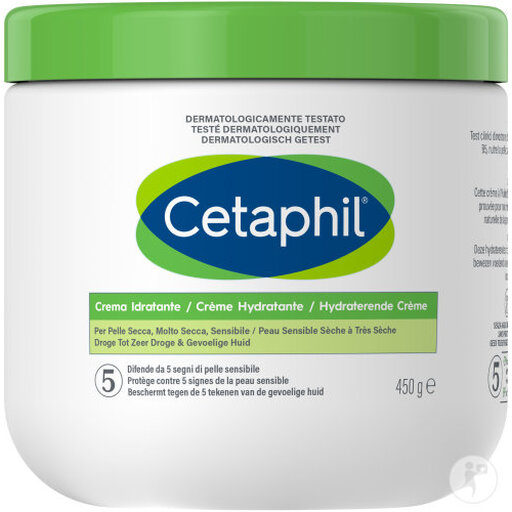
Why this product suits this profile: The large container is designed for regular care of dry and sensitive skin at home.
The claims that it is fragrance-free and non-comedogenic are clearer than a general promise of “gentle” care. Individual skin compatibility should still be taken into account.
450 g contents; glycerin, panthenol, niacinamide, almond oil and sunflower oil according to the product information.
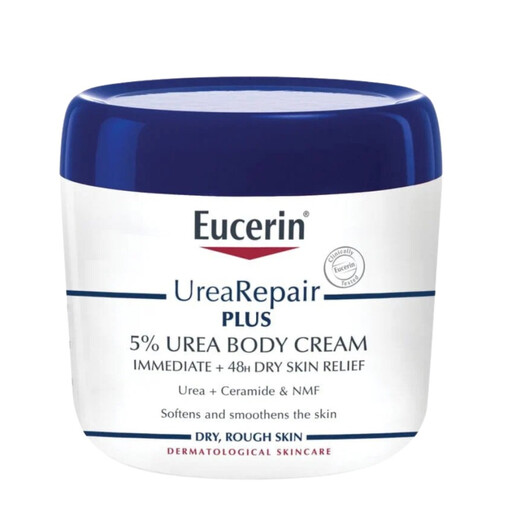
Why this product suits this profile: The 450-ml size and stated urea content make it suitable for regular body care for dry skin.
The specific “5% urea” claim makes the formulation easier to understand than an unexplained statement about intensive hydration.
Urea, glycerin, ceramide NP, cholesterol and shea butter are included in the stated INCI list.
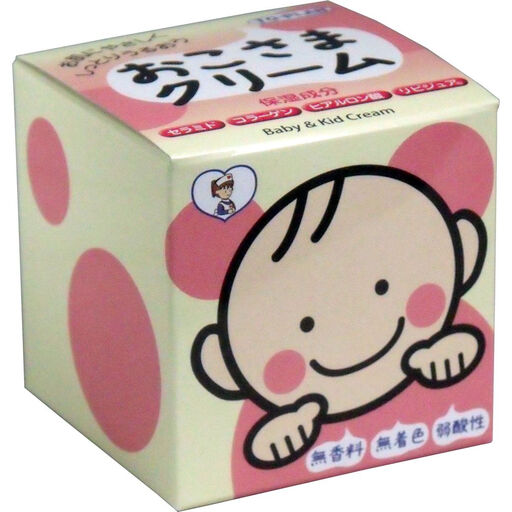
Why this product suits this profile: According to the product description, this children’s skincare product is intended for the face and body and is stated to be fragrance-free and colourant-free.
The information about being fragrance-free, colourant-free and having a mildly acidic pH makes it easier to narrow down your choice. Check the packaging information before each use.
Ceramides NP, AP and EOP, along with glycerin and Sodium Hyaluronate, according to the listed ingredients; 110 g contents.
We have compiled a complete, regularly updated list of products that fully meet these strict selection criteria and the safety regulations applicable in the EU.
Apply moisturiser after showering or washing your hands while the skin is still slightly damp. This can make it easier to spread and help create a more even protective layer. A small amount is usually enough for the face; on the body, usage depends on the area and the condition of the skin.
Keep the moisturiser tightly closed, in a dry place and protected from direct heat or sunlight. Check the best-before date, batch number and period after opening on the packaging. For products intended for children, an adult should supervise use if this is specified in the safety instructions.
For dry skin, formulations containing glycerin, urea, shea butter, oils or occlusive ingredients may be suitable. For very dry areas of the body, a richer body cream may be more appropriate than a lightweight face cream. Skin compatibility and the directions for use remain key.
This depends on your skin type and the product. Many creams can be applied in the morning and evening or as required. For dry body skin, applying moisturiser straight after washing is practical. For children and sensitive skin, follow the relevant manufacturer’s instructions.
The printed expiry date and the symbol indicating the period after opening are the key references. If the smell, colour or consistency changes noticeably, stop using the product. When trying a new cream, it is also advisable to carry out a cautious compatibility test on a small area of skin.