
Lieferung heute & morgen

Qualitätsgarantie

Willkommens-Angebote freischalten: KOSTENLOSE Lieferung | Bis zu 80 % RABATT | Kostenlose 30-Tage-JoyPlus-Testphase
App herunterladen
By Joybuy Product Recommendation Officer, August 28, 2026
A feeling of tightness, dry patches, and skin that never feels truly hydrated—the search for the right face moisturiser can be frustrating. The market is flooded with products promising instant relief, yet long-term results often fail to materialise. Many consumers invest in products that don't solve their skin problems or even make them worse. Before you add another cream or serum to your cart, it's helpful to understand the most common pitfalls.
The 2 Most Common Traps When Choosing Face Care:
A thoughtful choice isn't based on marketing promises, but on understanding the fundamental parameters that constitute a good moisturiser.
To make an informed decision, you should focus on the building blocks of an effective skincare routine. A good moisturiser starts with the cleansing step and ends with a cream that actively supports your skin barrier.
The most effective face cream for dry skin is virtually useless if the skin has been stripped of its natural lipids by an aggressive cleanser beforehand. A gentle face cleanser is therefore not an optional step, but the foundation. Look for products with the following properties:
Effective moisturisers work on two levels: they supply the skin with water (hydration) and prevent it from evaporating (strengthening the skin barrier).
Instead of making a one-size-fits-all recommendation, it is more useful to match products based on specific user profiles.
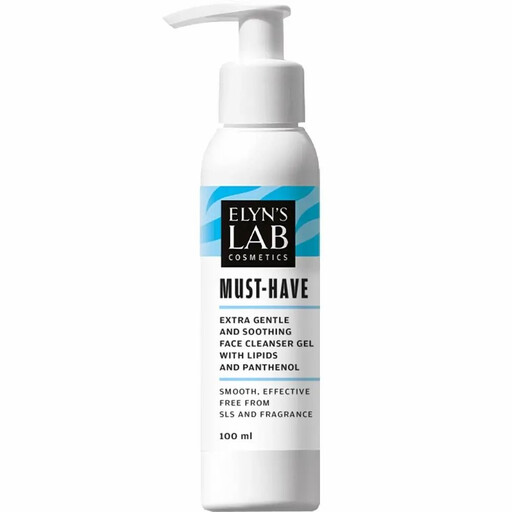
Why it's a great fit: Ideal for those seeking a straightforward yet effective foundation for their skincare routine. It focuses on gentle cleansing, which is essential for sensitive and dry skin, without breaking the bank.
This cleansing gel avoids harsh sulfates, opting instead for mild surfactants. It doesn't strip the skin, preparing it perfectly for subsequent moisturisers instead of sabotaging their effect.
Contains panthenol to soothe and lipids to support the skin barrier right from the cleansing step. The formulation is streamlined to the essentials.
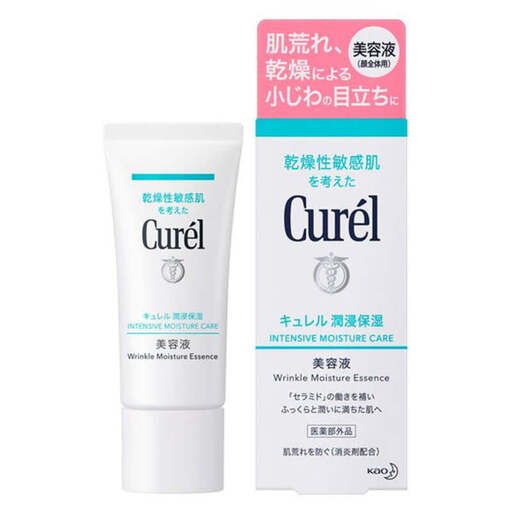
Why it's a great fit: For users specifically looking for ingredients to strengthen the skin barrier and who are interested in Japanese skincare. This gel addresses dryness at its root by restoring the skin's protective function.
Instead of just working on the surface, the formulation with a ceramide-functional ingredient penetrates deep into the stratum corneum, according to the manufacturer. It bypasses the "richness" fallacy with a lightweight gel texture that isn't greasy.
The focus is on restoring the skin barrier with ceramide-functional components and eucalyptus extract. Contains allantoin to prevent skin roughness.
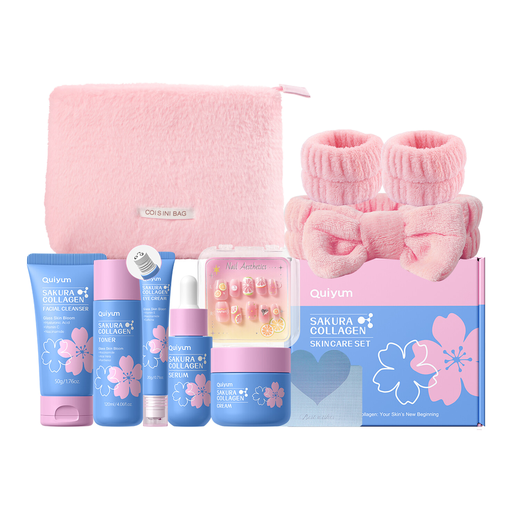
Why it's a great fit: Perfect for anyone looking for a complete, coordinated routine without having to research individual products. This skincare set is also great as a gift or for building a first comprehensive care routine.
This set avoids the trap of relying on a single active ingredient. It offers a full routine from cleanser to eye cream, where the products are designed to work synergistically and provide comprehensive hydration.
Offers a complete 5-step routine (cleanser, toner, serum, eye cream, cream) in one package. The products are coordinated, which simplifies application.
We have compiled a complete, up-to-date list of products that fully meet these strict selection criteria and all applicable safety regulations.
1. How often should I apply a face moisturiser? For most skin types, especially dry and sensitive skin, application twice a day is recommended—morning and evening after cleansing. The morning application protects the skin throughout the day, while the evening application supports overnight regeneration.
2. What is the difference between a cream and a gel moisturiser? The main difference lies in the texture and composition. Creams are emulsions of water and oil and often have a higher lipid content. They are well-suited for dry to very dry skin as they both moisturise and form a protective layer. Gels are mostly water-based, oil-free, and have a lighter texture. They absorb quickly and are ideal for normal, combination, or oily skin, but can also be suitable for dry skin when formulated with potent humectants like hyaluronic acid.
3. Can I use a hyaluronic gel on oily skin? Yes, a hyaluronic gel is often an excellent choice for oily yet dehydrated skin. Because it provides moisture without adding heavy oils or lipids, it can balance the skin's hydration levels without clogging pores or leaving a greasy feeling. Skin often overproduces sebum to compensate for a lack of moisture. Good hydration can have a regulating effect here.