
Lieferung heute & morgen

Qualitätsgarantie

Willkommens-Angebote freischalten: KOSTENLOSE Lieferung | Bis zu 80 % RABATT | Kostenlose 30-Tage-JoyPlus-Testphase
App herunterladen
Anyone looking to buy dry white wine online will find a wide selection of grape varieties, countries of origin and pack sizes. However, the term ‘dry’ alone is not always enough to make the right choice. Differences in residual sugar, acidity, alcohol content, packaging and ingredients can significantly affect the flavour, how the wine is used and the price per litre.
In Germany, a wine may be described as dry if its residual sugar content is no more than 4 grams per litre. Under certain conditions in relation to acidity, up to 9 grams per litre is permitted. A dry wine can therefore taste fruity without actually being sweet. If you are looking for a particularly clear, fresh impression, you should also consider the acidity, grape variety and flavour description.
One example is a dry Riesling: its acidity can bring out the peach and mirabelle plum fruit aromas particularly clearly. A Pinot Gris often tastes softer and rounder by comparison, even though both wines can be made in a dry style.
Pinot Grigio, Chardonnay, Sauvignon Blanc and Pinot Blanc primarily describe the grape variety, not automatically a particular level of flavour quality. Origin is not the only benchmark either. A German white wine from Rheinhessen or the Palatinate can have a very different style from an Italian white wine or a Sauvignon Blanc from Chile.
You should therefore look for specific details such as alcohol content, flavour profile, acidity, fill volume, region of origin and recommended serving temperature. Marketing terms such as ‘fresh’, ‘elegant’ or ‘intense’ should be supported by factual product information.
A box of white wine 6 x 0.75 l is practical for parties and regular consumption. For occasional wine drinkers, however, a 3-litre bag-in-box may be more suitable, as the packaging requires fewer individual bottles. Once opened, the storage instructions for the specific product apply. The contents should be stored in a cool place and consumed within the stated period.
The grape variety can help you narrow down your choice:
The description should always be checked against the technical data. For example, Maybach Sauvignon Blanc is listed as medium-dry, so it may not meet everyone’s expectations of dry white wine.
Many of the products in this selection contain between 11.5 and 13.5 % vol. Alcohol content influences the body and suitability of a wine for different occasions, but it is not a reliable indication of flavour. Ingredients and allergens must also be taken into account. For the wines listed, sulphur dioxide or sulphite is stated as an allergen.
If you are looking for vegan white wine, look for an explicit vegan label. Maybach Cabernet Blanc Organic Vegan is described as both organic and vegan. ‘Organic’ and ‘vegan’ are different criteria: organic certification relates to production in accordance with specific requirements, while ‘vegan’ concerns the processing aids and ingredients used.
For most of the dry white wines in this selection, a serving temperature between 8 and 12 °C is recommended. Wines served too warm often taste more alcoholic, while wine that is over-chilled reveals fewer aromas.
When choosing a pack size, ask yourself the following questions:
A 3-litre bag-in-box white wine is suitable for parties, picnics and regular consumption. Individual or 0.75-litre bottles, on the other hand, offer greater flexibility when choosing between different grape varieties.
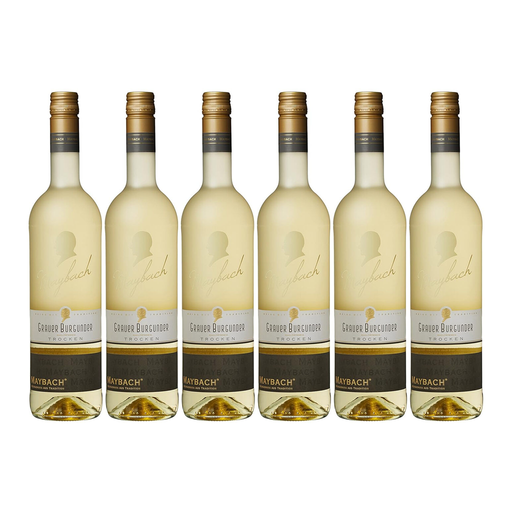
Why this product suits this profile: The box of six 0.75-litre bottles provides a predictable quantity for regular enjoyment and social evenings. It contains 12 % vol. and has a recommended serving temperature of 10–12 °C.
The grape variety, origin in Germany, alcohol content and pack size are all clearly stated. This makes it easier to match the purchase to your actual needs.
Dry Pinot Gris, six bottles and a light fruit description with apple and peach notes.
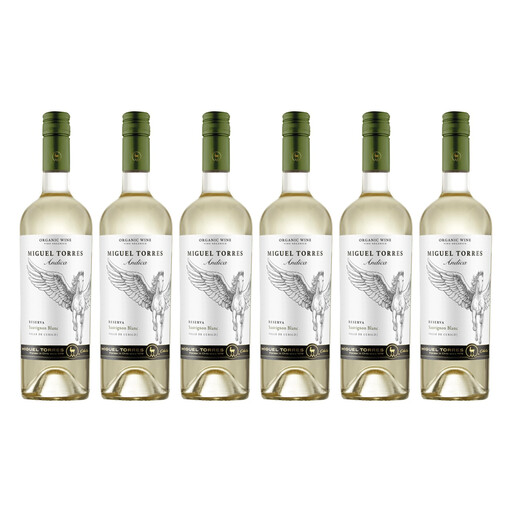
Why this product suits this profile: According to the product information, this dry Sauvignon Blanc is made from 100% Sauvignon Blanc, comes from Chile and carries the organic certification code CL-BIO-001.
The organic status is not merely used as a marketing claim; it is supported by a specific certification code. The origin and grape variety composition are also documented.
Organic Sauvignon Blanc from the Central Valley, six 0.75-litre bottles and a recommended serving temperature of 8–10 °C.
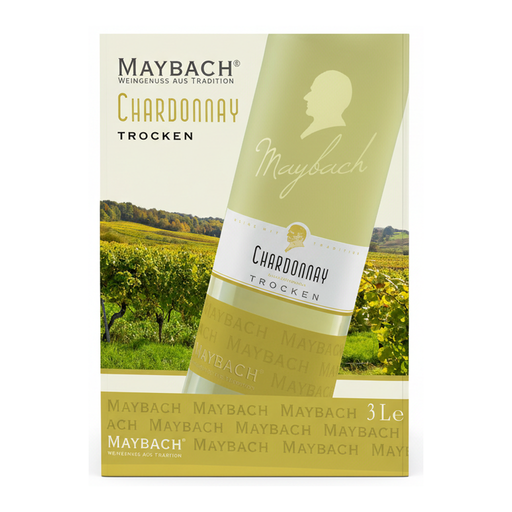
Why this product suits this profile: The 3-litre bag-in-box with tap is designed for picnics, parties and regular use. The wine is described as dry and gluten-free, with 12 % vol.
The fill volume and packaging type are clearly stated. Buyers can check in advance whether they have enough storage space and whether the quantity suits their consumption habits.
3-litre pack with tap, Chardonnay grape variety and a stated pairing with fish, salads and white meat.
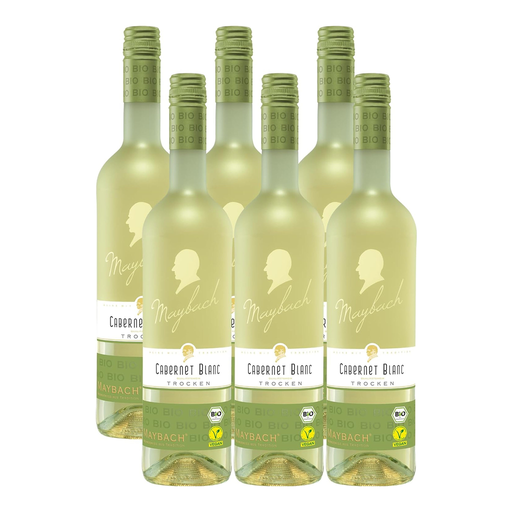
Why this product suits this profile: The product information describes the wine as organic and vegan. It contains 11.5 % vol., so it is not an alcohol-free alternative but an option for buyers who prioritise these two characteristics.
The labelling makes it clear that ‘vegan’ does not mean ‘alcohol-free’. If you are looking for 0.0 % vol., an alcohol-free Chardonnay would be a suitable alternative.
Organic and vegan labelling, six 0.75-litre bottles and a fruity, spicy flavour description.
We have put together a complete, regularly updated list of products that fully meet these strict selection criteria and the safety regulations applicable in the EU.
For white wine with fish and seafood, dry, fresh wines with well-balanced acidity are often a good choice. In this product selection, Andica Sauvignon Blanc is explicitly recommended with fish and seafood. Pinot Blanc and Chardonnay are also suggested with fish, poultry, salads or light sauces.
The preparation method should also be considered: steamed fish generally calls for a lighter profile than strongly spiced seafood. For salads, poultry and vegetables, Chardonnay, Grüner Veltliner or Pinot Gris can be suitable choices. An alcohol-free Chardonnay such as Grand Sud Chardonnay Zero is listed as containing 0.0 % vol., but according to the product information it tastes sweet. If you expect a dry flavour, you should take this difference into account before buying.
‘Dry’ describes the wine’s residual sugar content and does not automatically indicate a particular grape variety or level of acidity. Germany has defined limits for this classification. You should also check the product description and nutritional information, where available.
Unopened bottles and bag-in-box products should be stored in a cool, dry place away from direct sunlight. After opening, follow the relevant manufacturer’s storage instructions. Open bottles should generally be refrigerated and consumed promptly.
Many products are recommended at 8–12 °C. Lighter, fresher wines can be served towards the lower end of this range. Chardonnay and fuller-bodied varieties are often recommended at 10–12 °C. The specific recommendation on the label or product data sheet is the deciding factor.