What should you look for when buying?
Airer or washing line
Best when: You can hang your bedding with enough space between items and air out the moisture effectively.
The trade-off: Drying doesn’t use electricity, but the laundry takes up space and increases humidity in your home. The German Environment Agency recommends ventilating more thoroughly in these circumstances.
Separate heat pump tumble dryer
Best when: You often want to tumble dry bedding that’s suitable for machine drying and have space for a separate appliance.
The trade-off: The appliance needs electricity and space, and requires care. The label figures are based on the Eco programme and aren’t a guarantee of the energy used by a bedding programme.
Start by comparing your usual bedding loads and where you’ll put the appliance. Then compare the energy and condensation figures on the same label basis.
| Priority |
What to check when buying |
Who should pay particular attention |
| Space and room humidity |
Check whether you have room to spread out the bedding and can ventilate the space properly. If you’re considering a tumble dryer, measure the space and allow room for the door to open. |
If an airer takes up living space or damp laundry is difficult to air, I’d prioritise freeing up room. Around 36 % of consumers put this first. |
| Bedding programme and load capacity |
Compare the programme’s maximum load with your laundry, and check whether the appliance has a bedding programme or a reversing drum. |
With large duvet covers, I want to avoid tangles and damp patches, so the specific programme load capacity matters. Around 29 % of consumers make this a priority. |
| Energy use |
Compare kWh per 100 Eco cycles on the same label basis, and consider how often and how fully you’ll actually use the dryer. |
If I tumble dry bedding regularly, I want the energy use to suit my habits. Around 21 % of consumers put low drying costs first. |
| Small and large loads |
Choose a drum size to suit your most frequent loads and check whether the specific model offers a half-load option or load sensing. |
If my laundry loads vary, I’m looking for a balance between occasional bedding loads and smaller everyday loads. Around 14 % of consumers prioritise this balance. |
Heat pump tumble dryers at Joybuy
The models below are heat pump tumble dryers for homes looking to machine-dry bedding that’s suitable for tumble drying. Always follow the care label and the permitted load for the programme you choose.
 No image available
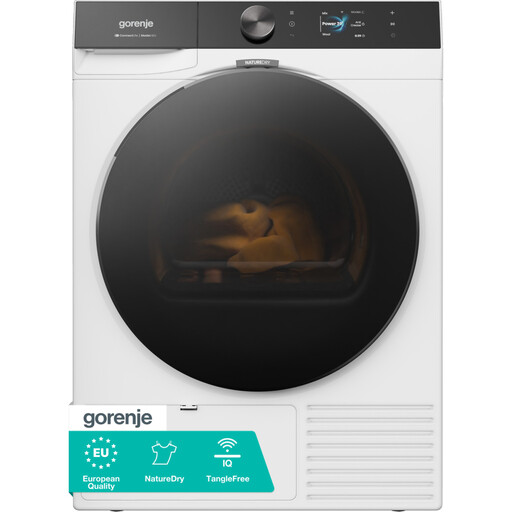
Gorenje DG89BP heat pump tumble dryer, 9 kg, white
For homes looking for a separate appliance for bedding that’s suitable for tumble drying; check the permitted load for your chosen programme in the manual.
Heat pump tumble dryer; 9 kg.
View at Joybuy
 No image available
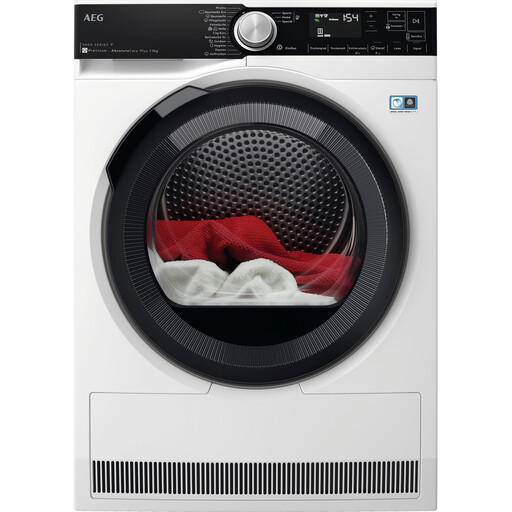
AEG TR9DW80690 9000 Series heat pump tumble dryer, 9 kg
An option for homes looking for a separate appliance for bedding and other items suitable for tumble drying; programme capacity varies by model.
Heat pump tumble dryer; 9 kg; energy efficiency class C; 63 dB.
View at Joybuy
 No image available
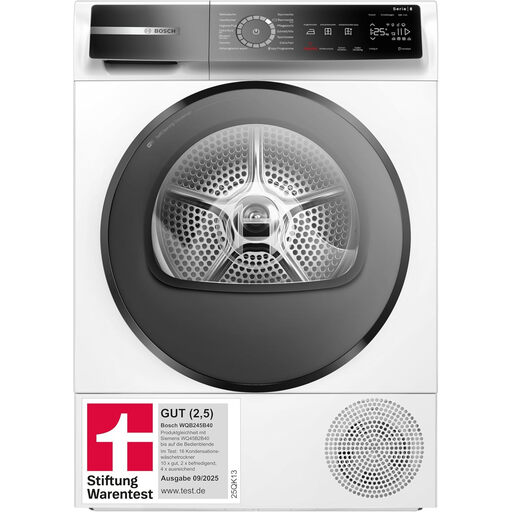
Bosch WQB245B40 Series 8 heat pump tumble dryer, 9 kg
For homes looking to machine-dry bedding that’s suitable for tumble drying; compare your usual load with the programme capacity in the manual.
Heat pump tumble dryer; 9 kg; energy efficiency class C.
View at Joybuy
 No image available
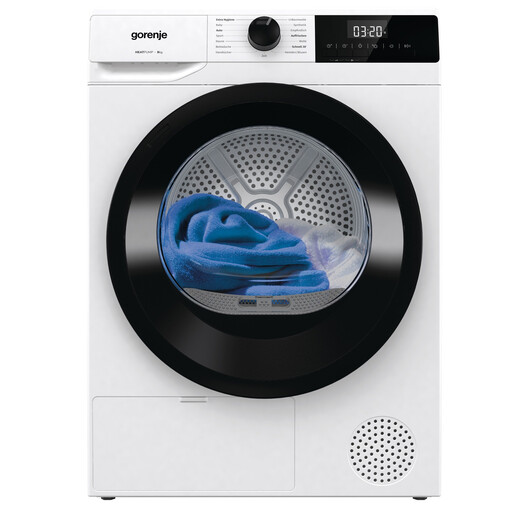
Gorenje DHNE82 heat pump tumble dryer, 8 kg
For homes considering a separate appliance for bedding that’s suitable for tumble drying; check the programme and permitted load in the manual.
Heat pump tumble dryer; freestanding; 8 kg.
View at Joybuy
 No image available
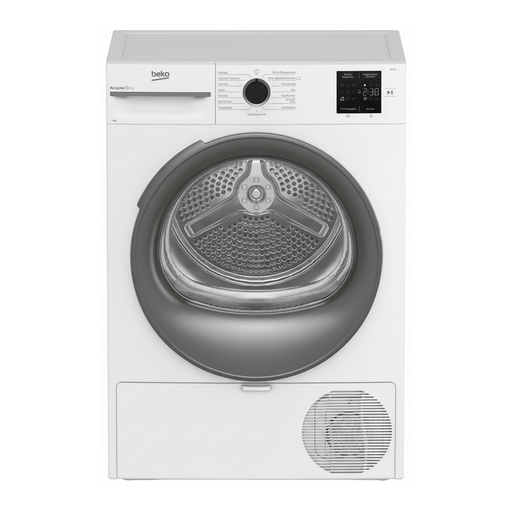
Beko BM3T38210W1 heat pump tumble dryer, 8 kg, energy efficiency class E
An option for homes looking to machine-dry bedding that’s suitable for tumble drying; the right load size depends on the programme you use.
Heat pump tumble dryer; 8 kg; energy efficiency class E.
View at Joybuy
Frequently asked questions
Can I still dry bedding on an airer indoors?
Yes, as long as you air out the moisture effectively. The German Environment Agency describes an airer or washing line as an energy-efficient way to dry laundry, and recommends ventilating more thoroughly when drying damp laundry indoors.
Does “suitable for tumble drying” mean I can use any programme?
No. Follow the care label and check the maximum load for your chosen programme in the user manual. If bedding tends to tangle, AEG also recommends fastening any closures and, where available, choosing a bedding programme.
What do the energy figures on a tumble dryer label mean?
The EU label for household tumble dryers includes, among other details, energy use per 100 cycles on the Eco programme. This figure isn’t a guarantee of the energy use for a bedding programme. For EU requirements in force since 1 July 2025, the German Environment Agency and the Federal Institute for Materials Research and Testing are useful sources of information.
How can I stop bedding from tangling into a ball in the tumble dryer?
Check whether the appliance has a bedding programme or reversing drum, and don’t exceed the programme’s maximum load. AEG also recommends fastening any closures and following the advice in the user manual.
Do I have to ask the retailer to dispose of my old tumble dryer?
No, you can also take it to a local collection point. Online retailers in Germany have take-back obligations; check the specific offer before buying to find out how collection is arranged.


