Drying laundry in your home office
Putting up a clothes airer in your home office adds moisture to the room. The German Environment Agency recommends regular ventilation when there are sources of extra moisture like this.


If your home office stays cool for long periods, a desiccant dehumidifier with a laundry-drying mode could be a good fit. In a heated room, compare it with a compressor dehumidifier rather than choosing based on laundry needs alone. Key considerations include the temperature range of the specific model version, noise in the mode you’ll actually use, power consumption, and whether it has a tank or drain hose. The German Environment Agency recommends regular ventilation when damp laundry adds moisture to a room. A dehumidifier is no substitute for this.
Putting up a clothes airer in your home office adds moisture to the room. The German Environment Agency recommends regular ventilation when there are sources of extra moisture like this.
If you use the room as an office at the same time, consider how noisy the setting you actually need will be.
Choose a model with a temperature range suited to the specific version and the room temperature. Check the relevant manual too.
May be a better fit if: your home office stays cool for long periods and you regularly dry laundry there. Check the temperature range, laundry mode and room size specified for the particular model.
The trade-off: Regenerating the desiccant uses electricity and releases heat into the room. A quiet standard mode doesn’t tell you how noisy the laundry mode will be.
May be a better fit if: your home office is heated and you can compare specific models based on their operating conditions and power consumption.
The trade-off: Dehumidification performance figures are only meaningful when the temperature and humidity conditions are comparable.
May be a better fit if: regular ventilation is enough to manage the extra moisture when you dry laundry occasionally.
The trade-off: Whether ventilation alone is enough depends on how the room is used and its characteristics.
| Buying priority | What to check | Who it matters most to |
|---|---|---|
| Drying laundry and removing moisture | Laundry mode and room size; tank shut-off or hose drainage. | If you regularly dry laundry next to your workspace, good airflow and a drainage option suited to how long the appliance runs are important. Around 33% of consumers put laundry-drying support first. |
| Keeping things quiet while you work | Noise level on the setting you need; running times outside meetings. | If you’ll be in the same room during a call, noise in the mode you actually need matters more than a high rated capacity. Around 27% of consumers prioritise a quiet working environment. |
| Power consumption with frequent use | Power consumption in W and running time in h; factor in your electricity price in €/kWh. | If you use the appliance frequently, estimate its power consumption based on the setting and running time you use, rather than looking only at its rated capacity. Around 20% of consumers put running costs first. |
| Suitability for a cool home office | Temperature range in the manual for the specific version; clearance requirements and protection from dripping water. | If your home office is cool at times, the approved temperature range must suit the specific model version. Warm air from the appliance can also affect comfort. Around 20% of consumers prioritise suitability for cool rooms. |
Dehumidification performance is measured under specific conditions and doesn’t guarantee a set drying time in your home office.
Check the temperature, room size, operating mode, tank or drain, and the conditions under which the performance figure was measured.
Longer-than-expected running times can increase power consumption.
For the Wood’s WDD80, the manual gives a noise range of 36–50 dB, depending on how it’s used. Desiccant dehumidifiers release heat into the room as part of their operation.
Compare noise levels and comfort on the setting you actually need, and, where possible, run the appliance on a higher setting outside meeting times.
If damp or mould persists, you need to identify and address the cause of the moisture. The German Environment Agency makes this clear too.
Monitor the humidity in the room and any persistently damp areas. If the problem continues, don’t rely on the appliance alone.
Meaco Germany offers several desiccant models, including the DD8L Pro, DD8L Zambezi and DD8L Junior, as well as compressor dehumidifiers.
The TTR 57 E is a desiccant dehumidifier for living spaces with a laundry-drying function. Trotec states that it is suitable for rooms up to 20 m².
The WDD80 manual also lists utility rooms as a suitable location. The model has three fan speeds, a tank and a hose connection.
The Joybuy products below list a laundry or laundry-drying mode, and include compressor dehumidifiers too. Compare their specifications with the room size, temperature and operating setting you actually plan to use.
 No image available
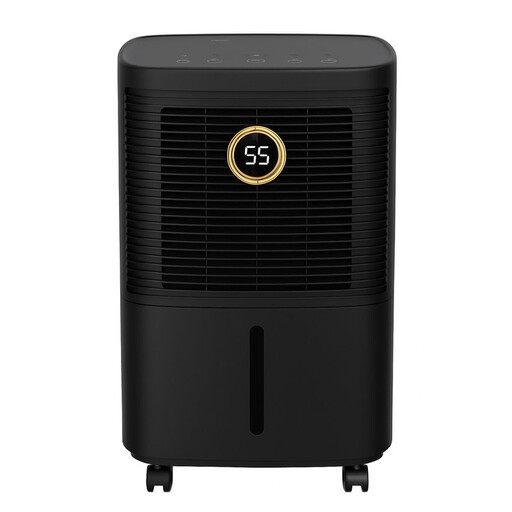
The product title lists a laundry-drying mode for clothes drying indoors.
Specifications include 10 l/day, a 2.5-l tank, three modes, a 24-h timer, automatic defrost, child lock, R290 refrigerant and a 36 dB sleep mode. The stated room size is approximately 40 m³ (16 m²).
 No image available
The listed laundry-drying function is worth considering if you regularly dry clothes indoors.
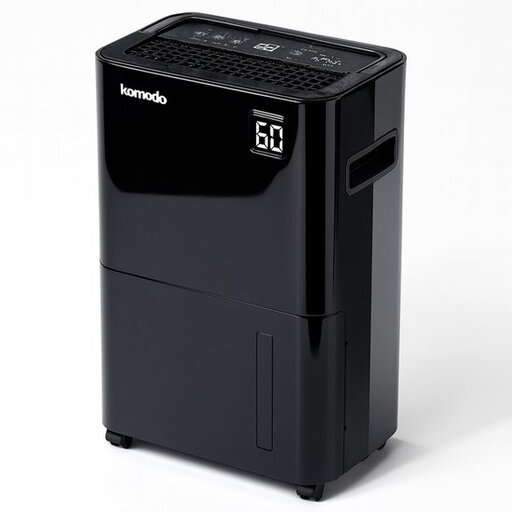
This compressor dehumidifier is rated at 16 l/day. The description lists a 1.8-l tank, continuous hose drainage and a room size of up to 70 m². The stated noise level of 45 dB isn’t linked to a specific mode.
 No image available
The listed laundry-drying function makes this model worth comparing if you dry laundry in your home office.
This compressor dehumidifier is rated at 20 l/day. The description lists a 2.5-l tank, continuous hose drainage and a room size of up to 100 m². The stated noise level of 45 dB isn’t linked to a specific mode.
 No image available
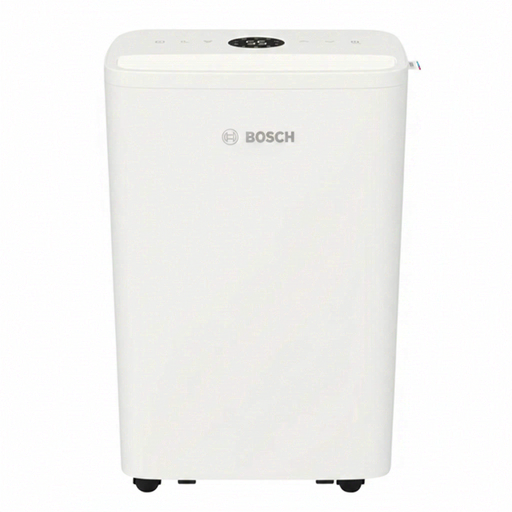
The laundry mode is designed for drying laundry indoors. Check which fan speed you’d use while working.
Specifications include 10 l/day, two fan speeds and 36 dB on the highest setting. It also has a 2.5-l tank with a full-tank indicator and a drain hose.
 No image available
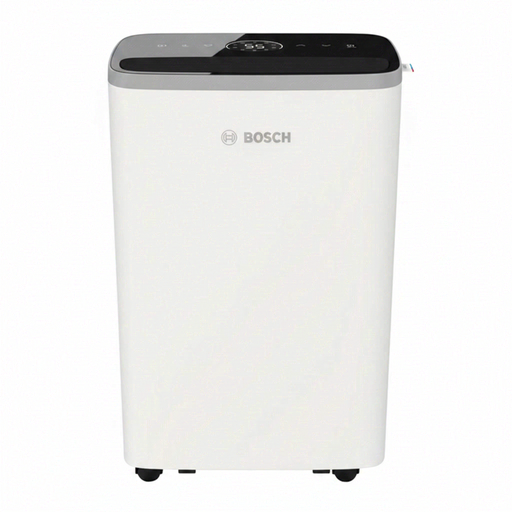
The laundry mode makes this model worth comparing if you dry clothes in your home office. Take its actual noise level into account when using it.
Specifications include 16 l/day, a room size of up to 75 m³, a 2.5-l tank, two fan speeds and 40 dB. A laundry mode is listed alongside an automatic night mode.
No. The German Environment Agency recommends regular ventilation when damp laundry adds moisture to a room. How often you need to ventilate depends on the room and how you use it.
Follow the manual for the specific version, keep the air inlets and outlets clear, and make sure water can’t drip from the laundry onto the appliance. The older Meaco DD8L Junior manual specifies a level surface and at least 30 cm of clearance from curtains or other objects. This distance doesn’t apply to all models.
Multiply the power consumption in W by the running time in hours, then divide by 1,000 to calculate the energy used in kWh. You can then use your electricity price in €/kWh to work out the cost of the cycle.
The German Federal Institute for Occupational Safety and Health explains that new electrical appliances covered by Germany’s 1. ProdSV must carry a CE mark before being made available on the market. The scope covered here includes appliances with an AC voltage of 50 to 1,000 V; statutory exceptions must be taken into account. You’ll need to check whether the requirements apply to a specific product and have been met.
Your statutory rights against the seller are different from a voluntary manufacturer’s guarantee. The German consumer advice centre explains that statutory rights are set by law, whereas a guarantee is offered voluntarily.