
Lieferung heute & morgen

Qualitätsgarantie

Willkommens-Angebote freischalten: KOSTENLOSE Lieferung | Bis zu 80 % RABATT | Kostenlose 30-Tage-JoyPlus-Testphase
App herunterladen
Drying laundry indoors presents a physical challenge: the evaporation of water from textiles increases the relative humidity. Without adequate countermeasures, this can lead to an unhealthy indoor climate and longer drying times. In the worst-case scenario, it can even result in the formation of mould. A structured approach to indoor laundry care is therefore not just a matter of efficiency, but also crucial for a healthy living environment.
This article analyses technical solutions and presents products that optimise the process of drying laundry inside your flat. The focus is on functionality, material quality, and energy efficiency.
Choosing the right equipment depends on individual factors such as room size, laundry volume, and ventilation options. Three product categories offer specific solutions for this: clothes drying racks, dehumidifiers, and garment steamers.
A clothes drying rack for your flat is essential equipment. The following technical parameters are crucial when making a selection:
A dehumidifier for drying laundry is an active measure to accelerate the drying process and control the indoor climate.
Wrinkles are a common consequence of drying. A garment steamer offers a quick method for smoothing clothes without an iron.
Based on the technical criteria mentioned above, we have compiled a selection of products that address specific problems in indoor laundry care.
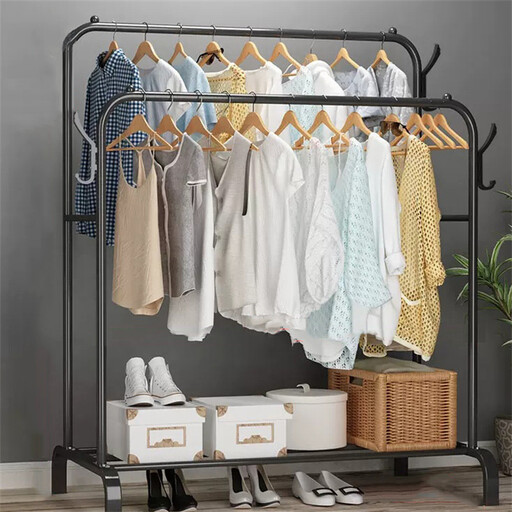
Why we recommend this product: The Huacan clothes drying rack addresses the core problem of insufficient drying capacity. Its double-row metal construction provides a large hanging area and ensures improved air circulation thanks to the spacing between the bars. This can reduce drying time compared to densely packed standard racks. The additional bottom shelf is a functional detail for organising shoes or other small items.
Advantages:
Who it's for: Households with a high volume of laundry, families, or individuals looking for a robust and durable solution for drying large and heavy textiles.
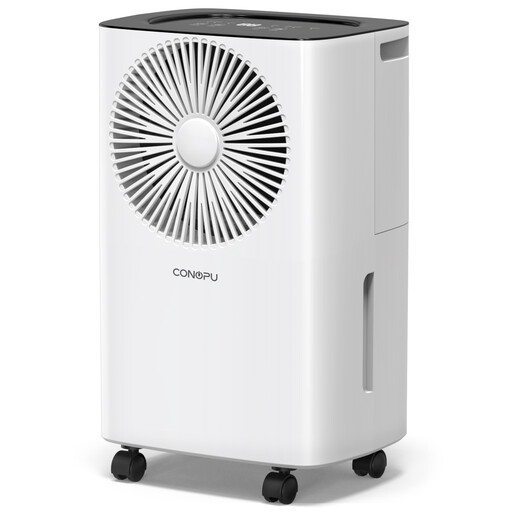
Why we recommend this product: This device combines two functions: general regulation of indoor humidity and active support to dry laundry quickly. The special laundry mode and the dehumidification capacity of 12 litres per day are designed to significantly speed up the drying process and prevent mould growth. The programmable cycles and the stated energy consumption of approx. 0.21 kWh allow for controlled and cost-effective operation.
Advantages:
Who it's for: Residents of flats with inadequate ventilation, in regions with high humidity, or for anyone who wants to actively accelerate the drying process while controlling the indoor climate.
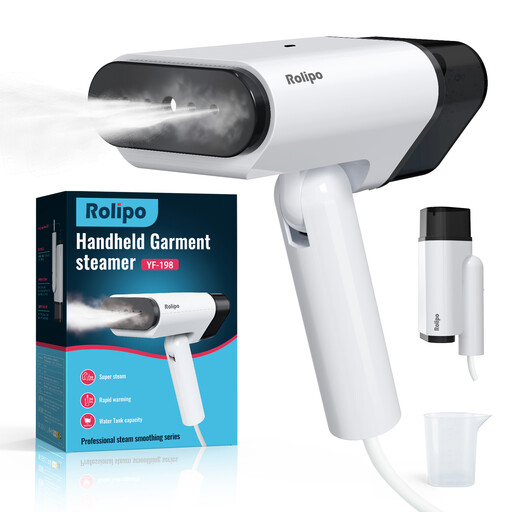
Why we recommend this product: The Rolipo garment steamer is a supplement for the final step in laundry care. Air-dried laundry is prone to wrinkling. This device offers a quick and straightforward solution to smooth clothes directly on the hanger. Its foldable design and low weight make it a practical tool for quick use at home, as well as for business trips or holidays.
Advantages:
Who it's for: Professionals, travellers, and individuals looking for a quick alternative or supplement to traditional ironing to quickly refresh and smooth clothes.
The products presented cover key aspects of drying and subsequent care for laundry in a flat. For a wider range of accessories and complementary products for organising and caring for your textiles, you can find more options in our Laundry Care category.
1. How can you prevent mould growth when drying laundry in a flat? The most fundamental measure is to regularly and thoroughly air out the room to expel the moist air. Do not place the drying rack in unventilated corners. A dehumidifier offers effective technical support by actively keeping the relative humidity at a non-critical level (usually below 50-60%), thus depriving mould of the conditions it needs to grow.
2. How long does it take for laundry to dry on a rack inside a flat? The drying time depends on several factors: room temperature, humidity, air circulation, and the thickness of the textiles. In a well-ventilated, warm room, thin laundry can dry within a few hours. In a cool, damp basement, it can take several days. Using a dehumidifier in laundry mode can reduce this process to just a few hours.
3. Is a garment steamer a complete replacement for an iron? A garment steamer and an iron serve different purposes. A steamer is excellent for quickly removing wrinkles from delicate fabrics, refreshing clothes, and for use on the go. An iron uses pressure and heat to create sharp creases (e.g., on shirt collars or pleated trousers) and is often more effective on heavy fabrics like thick cotton or linen. A garment steamer is therefore a useful supplement, but not a complete replacement in all situations.