Regular indoor drying
If you often dry pyjamas or similar small items indoors, a freestanding rack with a heating option could be worth considering. Adler and InnovaGoods offer heated rail models among their product ranges.


A heated rail drying rack may be worth considering if you regularly dry pyjamas indoors and have room to leave the rack unfolded. However, its rated power is not a reliable guide to how long your washing will take to dry. If you only dry clothes occasionally, or want to avoid using extra electricity, a standard clothes airer is the more obvious starting point. Whichever you choose, ventilation is important. With heated rails, you should also check the care instructions for your pyjamas.
If you often dry pyjamas or similar small items indoors, a freestanding rack with a heating option could be worth considering. Adler and InnovaGoods offer heated rail models among their product ranges.
If you need to put the rack away after drying, both its dimensions when in use and when folded matter. Adler describes one model as foldable, while HOMCOM offers, among other options, a two-tier airer.
If you only dry clothes occasionally or don’t want extra electric heating, a standard clothes airer may be all you need. The German Environment Agency recommends airers as an energy-efficient way to dry clothes; Leifheit offers a non-electric model as a comparison option.
A good choice if: You regularly hang small loads indoors and have room for the rack when it’s open.
Things to consider: Heated rails use electricity. The rated power alone isn’t a reliable guide to how long pyjamas will take to dry.
A good choice if: You dry clothes occasionally, or your pyjamas can dry without extra electric heating.
Things to consider: Drying time depends on factors including how damp the clothes are and the conditions in the room.
A good choice if: You specifically want a different drying method from heated rails, and the appliance instructions suit the way you plan to use it.
Things to consider: InnovaGoods lists the Dupledry at 1.200 W and says it comes with a cover. This design is different from a heated rail rack.
| What matters | What to check before buying | Who is this important to? |
|---|---|---|
| Regular drying | Usable rails and spacing for hanging clothes; don’t judge drying time by a single wattage figure. | If I regularly dry pyjamas at home, I want to know whether a heated rack suits my ongoing needs. Around 36 % of consumers put regular drying first. |
| Floor space and hanging room | Measure the space available and compare it with the rack’s dimensions when open, not just when folded. | If I need to set up the rack for drying and put it away afterwards, I need to consider how much space it takes up in both situations. Around 29 % of consumers prioritise floor space and hanging room. |
| Looking after your pyjamas | Check the garment care instructions against the user manual and the heat setting intended for the specific rack. | If I’m drying delicate pyjamas or items with different care requirements, I want to check in advance whether the heat is suitable. Around 21 % of consumers prioritise fabric care. |
| Electricity use and room humidity | Compare the rated power with the planned running time, and choose a spot where you can ventilate the room. | If I’m weighing up extra electric heating, I want to account for the electricity it uses without overlooking humidity in the room. Around 14 % of consumers put this concern first. |
These appliances work in different ways. InnovaGoods lists the Warmmat rail rack at 230 W and the Dupledry heated air dryer at 1.200 W. These rated power figures aren’t comparable measures of electricity used per load of washing.
Compare the drying method, intended running time and suitability for your clothes separately.
The rack needs to be open while you hang clothes on it, so you’ll need enough space for it in use.
Measure the space where you plan to put it and check it against the dimensions of the specific model when open.
Even with a heated rack, moisture from your washing gets into the room. The German Environment Agency recommends drying clothes outside living areas where possible. If you do dry them indoors, it recommends ventilating the room more often.
Choose another place to dry your clothes if you can. If you dry them indoors, make sure you ventilate regularly.
The AD 7821 is a foldable rack with heated rails.
The Warmmat uses heated rails, while the Dupledry is a heated air dryer with a cover, so the two have different designs.
The range includes a two-tier heated airer and a narrower heated towel rail.
The Pegasus Family Plus is a non-electric alternative if you don’t need extra electric heating.
This selection includes clothes airers, a foldable rack with a heating function and an electric dryer that uses a different drying method. For heated appliances, check the user manual and your pyjamas’ care instructions.
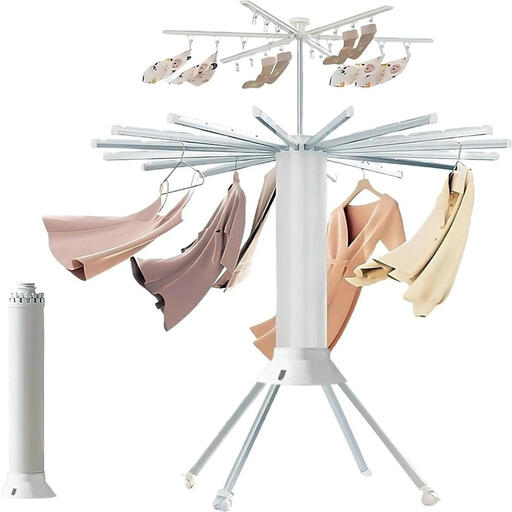 No image available
A good fit if you’re looking for a freestanding, multi-tier drying space for indoors or the balcony.
The product title describes a foldable, extendable design with a 360° rotating function.
 No image available
A good fit if you want a heated rack that folds away after drying.
The product title lists a temperature of 45–55 °C and dimensions of 144 × 53 × 96 cm. Check that the heat is suitable for your pyjamas by consulting their care instructions and the appliance manual.
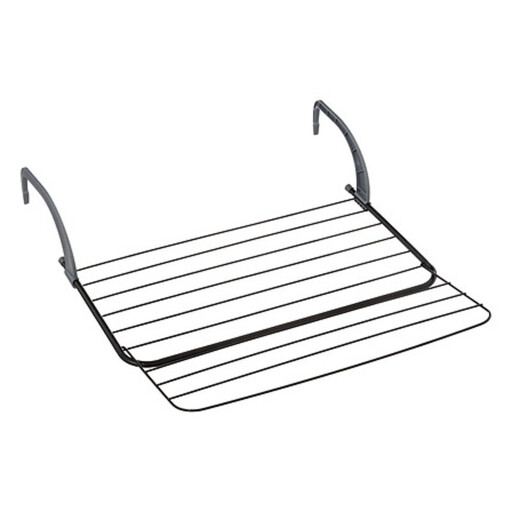 No image available
A compact drying option if you prefer an extendable model.
The product title lists dimensions of 60 × 55 × 13 cm. Check that the surface you plan to attach it to is suitable and sturdy.
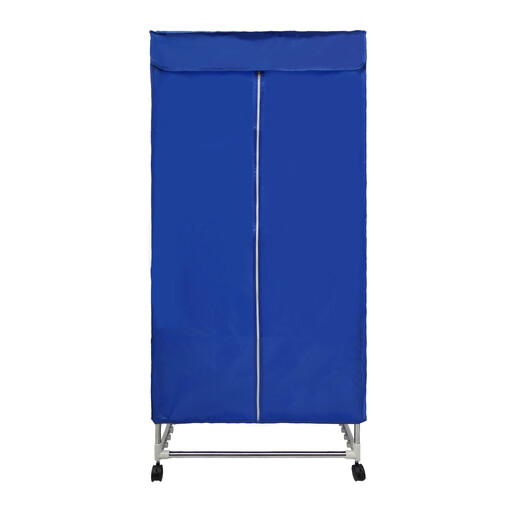 No image available
A good fit if you’re looking for an electric drying appliance with a timer rather than a basic clothes airer.
The product title describes a foldable design with a timer. The product description identifies it as a heated air dryer, not a rack with heated rails.
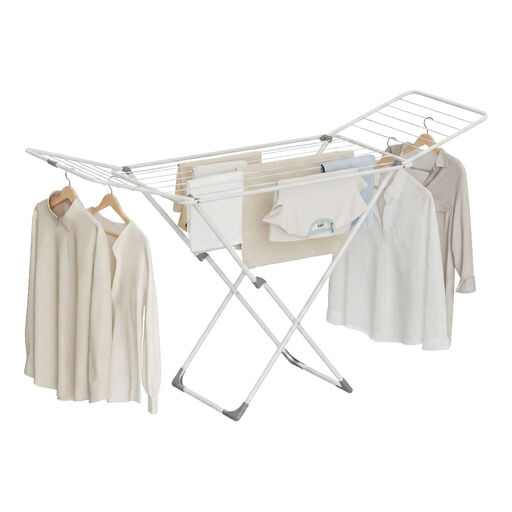 No image available
A good fit if you want to air-dry your pyjamas without extra heating.
The product title describes a foldable metal design with two wings.
Yes. The German Environment Agency recommends drying clothes outside living areas where possible. If you do dry them indoors, it recommends ventilating the room more often. Heated rails don’t replace fresh air.
No. Actual electricity use depends on the running time and the appliance’s actual power consumption, as well as its rated power. So the wattage alone won’t tell you how much electricity a drying cycle will use.
No. You can’t assume that all products in this category are suitable for those locations. Check the instructions and the intended place of use for the specific appliance. For example, InnovaGoods describes the Warmmat as suitable for indoor use and warns against immersing its electrical parts in water.
The relevant German regulations apply to new electrical equipment within the applicable voltage range of 50 to 1.000 V AC. Following the required conformity assessment, an EU Declaration of Conformity and CE marking are required. Check the information and documents for the specific model.
For a consumer purchase, the seller is responsible for the statutory guarantee, which is separate from a voluntary warranty. The Verbraucherzentrale explains that new goods are generally covered by a two-year liability for defects from the date of delivery.