If you need to dry several towels between guest changeovers, a foldable heated airer could be a good choice, provided you have enough space for it and can ventilate the room. For just a few towels and limited floor space, a heated towel rail may be more suitable. If the towels will dry in time without extra heat, an unheated airer may be all you need. Check the dimensions when set up, the usable hanging space and the load capacity. If you plan to use it in a bathroom, make sure the specific appliance and its connection point are suitable.
Which solution is right for you?
Holiday-let owners with frequent guest changeovers
If you need to dry several freshly washed towels between bookings, usable hanging space, the dimensions when set up and adjustable heat are all important. The number of bars alone won’t tell you how quickly the towels will dry.
Holiday-let owners with rooms sensitive to damp
If you’re drying laundry indoors, make sure there’s a practical way to ventilate the room. The German Environment Agency recommends regular ventilation when drying damp laundry in living spaces.
Holiday-let owners with a small bathroom
If floor space is limited, a wall-mounted model could be an alternative to a freestanding airer. For bathroom use, the specific appliance and its intended connection point must be suitable; VDE and ELEKTRO+ outline the additional requirements.
What should you look for when buying?
First, consider how many towels you need to hang at once and how moisture can escape. Then you can compare the space required, heating function and potential electricity use.
| What matters |
What to check before buying |
Who should pay particular attention |
| Usable hanging space |
Compare towel width and quantity with the bar length, number of tiers, dimensions when set up and maximum load. |
If you need to hang several towels with space between them during guest changeovers, the space available on the bars matters more than the number of bars. Around 36% of consumers would make hanging space their main consideration. |
| Ventilating the room |
Plan where the towels will dry and how you’ll ventilate the space. |
If you dry towels indoors, you need a practical way to remove moisture from the room. Around 29% of consumers would put this first. |
| Safety where it will be used |
Check the model number, instructions, protection rating and installation method; get professional advice about the connection point in the bathroom. |
An electrical appliance in a bathroom must be suitable for the room and its intended connection point. Around 21% of consumers would prioritise electrical safety at the point of use. |
| Space and electricity use |
Compare the dimensions when set up; for electric models, consider the power rating and actual running time. |
If space is limited or you want to avoid extra electricity use, compare the appliance with an unheated alternative. Around 14% of consumers would make space and running costs their main consideration. |
Avoid common misconceptions
-
Assuming heated bars mean a set drying time
Drying time can depend on factors such as humidity and towel thickness. The number of bars or the heating function alone can’t guarantee that your towels will be ready by the next guest changeover.
Check how many towels will fit with space between them on the usable tiers, and don’t plan your schedule based solely on the product details.
-
Thinking heat can replace ventilation
Drying laundry indoors creates moisture, which the heating function won’t remove from the room.
Choose a location where you can ventilate effectively, and build this into your accommodation’s routine. The German Environment Agency recommends regular ventilation when drying damp laundry in living spaces.
-
Assuming one model’s protection rating applies to another
The IP22 and IPX4 ratings refer to different HOMCOM models. Neither is blanket proof that an appliance can be used anywhere in a bathroom.
Check the instructions and protection rating against the full model number. VDE and ELEKTRO+ highlight the special zones and requirements for electrical connections in bathrooms.
Key brands at a glance
HOMCOM
The models mentioned are two different types of electric appliance: a foldable clothes airer and a freestanding or wall-mounted heated towel rail.
- The 850-048 airer has two tiers and folds away; the 850-283V90SR heated towel rail has eight bars, 150 W and a 2-/4-hour timer.
- The models also have different stated protection ratings: IP22 and IPX4 respectively. This doesn’t establish general suitability for bathrooms or make their drying times comparable.
InnovaGoods
Warmmat is a foldable heated winged airer for drying several items of laundry indoors.
- InnovaGoods states that this model has 20 heated bars, 230 W, a temperature setting of 35–60 °C, a timer of up to 12 hours and a maximum load of 15 kg.
- The manufacturer’s specifications don’t guarantee a particular drying time or a specific amount of electricity used per drying cycle.
EMKE
The PTR7743X3W is described as a wall-mounted electric heated towel rail and may suit you if floor space is limited.
- For this model, EMKE lists 130 W, a design that swivels through 180°, a 1–9-hour timer and IPX5.
- The wall mounting, connection and bathroom location must be suitable for the specific appliance and room; these specifications don’t apply to the whole brand.
Leifheit
The Classic 250 Flex is an unheated alternative if drying space matters more to you than extra heat.
- Leifheit lists 25 m of drying line and dimensions of 94 × 151 × 61 cm when set up.
- This model has no heating function. The stated drying line length doesn’t tell you how many towels will fit.
WENKO
The freestanding Levante is an unheated towel stand with two staggered bars.
- The staggered bars let you hang several towels separately.
- Check whether the usable hanging space is enough for the towels you need to dry between guest changeovers; no electric heating function is listed.
Products on Joybuy
This selection includes foldable heated clothes airers, electric wall-mounted heated towel rails and a portable warm-air dryer.
 No image available
Heated Clothes Airer, Foldable, 45–55 °C
For drying several towels indoors, if a foldable frame with extendable side wings suits the space available.
230 W; maximum load 10 kg; temperature range 45–55 °C; dimensions when set up 144 × 53 × 96 cm.
View on Joybuy
 No image available
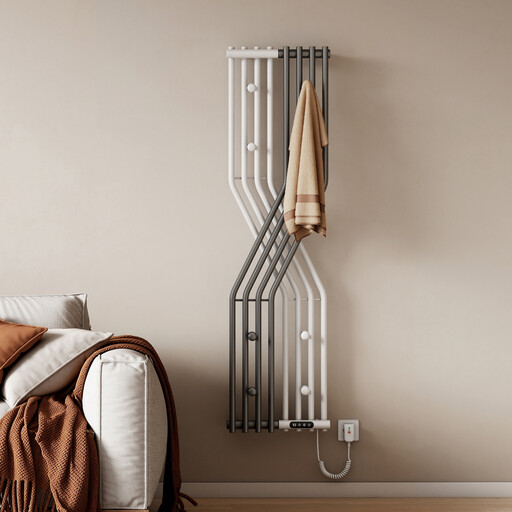
EMKE WiFi Heated Towel Rail, 1400 × 375 mm
A wall-mounted option if you’d rather hang towels from hooks than use a freestanding clothes airer.
580 W; eight flexible hooks; temperature settings, timer and weekly programme. Professional installation is recommended for wall mounting.
View on Joybuy
 No image available
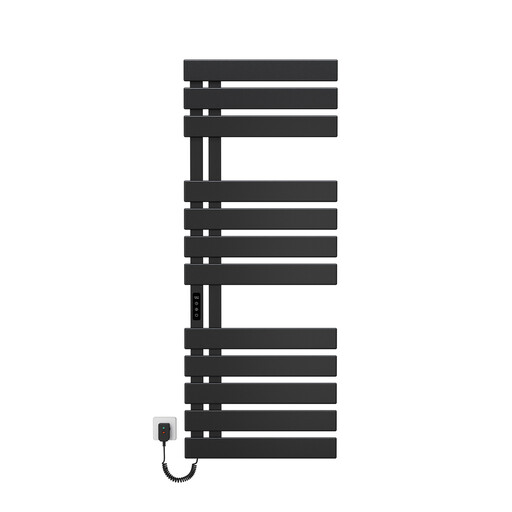
EMKE WiFi Heated Towel Rail, 130 × 50 cm, Upgrade Black – left – Upgrade
A wall-mounted towel-heating option if the stated dimensions fit the space you have in mind.
130 × 50 cm; temperature control, timer and weekly programme. Listed as a wall-mounted appliance.
View on Joybuy
 No image available
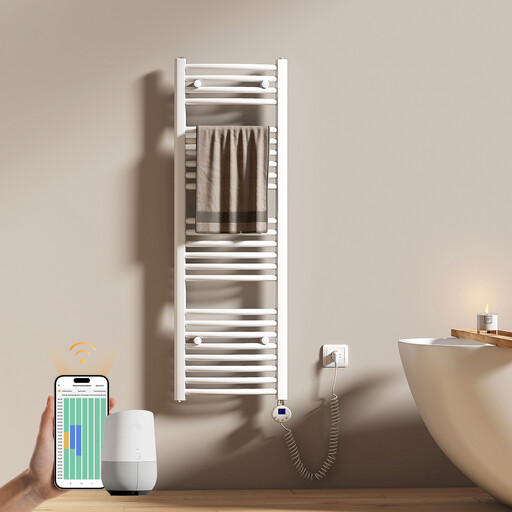
EMKE WiFi Heated Towel Rail, Curved, 1200 × 400 mm, White – Wifi Version
For drying towels on an electric radiator, if the curved design and programmable controls suit the way you plan to use it.
Thermostat; 1–24-hour timer; weekly programmes; control via app or voice command. The product description lists IP44.
View on Joybuy
 No image available
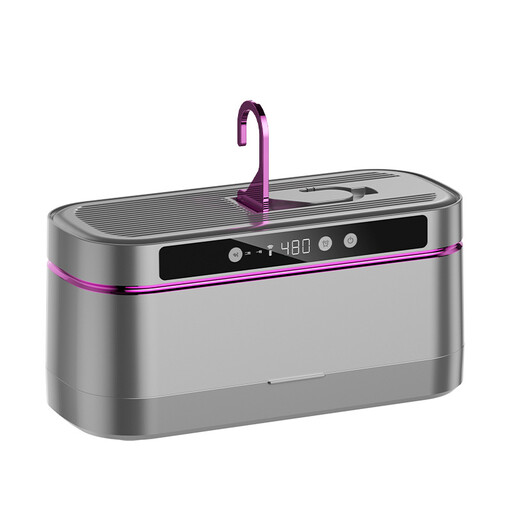
Home Dryer Quick-Dry Clothes Dryer, Small, Foldable Portable Dryer
For drying towels, if a foldable portable dryer with warm-air circulation suits your needs.
The product description lists towels as suitable textiles and small spaces as a possible place to use it.
View on Joybuy
Frequently asked questions
Will a heated clothes airer dry laundry indoors?
No, the heating function doesn’t replace ventilation. The German Environment Agency recommends regular ventilation when drying damp laundry in living spaces, so that moisture can be removed.
Can I put any electric clothes airer in the bathroom?
No, there’s no blanket approval. VDE and ELEKTRO+ outline the special zones and connection requirements for bathrooms. Check the instructions and protection rating for the specific model, and get professional advice on the intended installation or connection point. IP22 and IPX4 are ratings for different HOMCOM models.
How can I work out the electricity used during a heating cycle?
Multiply the power rating in kilowatts by the actual running time in hours to calculate the theoretical electricity use in kilowatt-hours. At 150 W for four hours, that would be 0.6 kWh if the appliance ran at its rated power for the entire time. This is neither a guaranteed drying time nor a measured figure for each drying cycle.
Who can help if the appliance develops a fault after purchase?
If your purchase is covered by applicable consumer rights, the statutory guarantee is a claim against the seller; a manufacturer’s guarantee is different and voluntary. The Verbraucherzentrale explains the difference. If you run the accommodation as a business, check the specific contract and service terms before buying.
Is the CE mark an independent safety test?
No. According to the European Commission, the manufacturer uses the CE mark to declare that the product complies with the EU rules that apply to it. There’s no central EU body that issues a blanket certificate for this; you should check which requirements apply to the specific appliance.


