
Lieferung heute & morgen

Qualitätsgarantie

Willkommens-Angebote freischalten: KOSTENLOSE Lieferung | Bis zu 80 % RABATT | Kostenlose 30-Tage-JoyPlus-Testphase
App herunterladen
Dust inevitably settles on furniture, floors, and in hard-to-reach corners. For many, regular dusting is a necessary but often tedious chore. Effective dust removal is especially crucial for the well-being of individuals with dust allergies. The market offers a wide variety of products, from disposable dust cloths to reusable systems. This article will give you a clear overview of different methods and products, helping you make an informed decision for your specific needs.
The right tool can significantly increase your dusting efficiency. Instead of randomly grabbing a product, the following criteria can help guide your selection.
The method a cloth or duster uses to capture dust is a key factor.
Consider which areas in your home are the most difficult to clean.
Your personal preferences regarding convenience, cost, and sustainability play a significant role.
Based on the criteria above, we have compiled a selection of different products that cater to various needs.
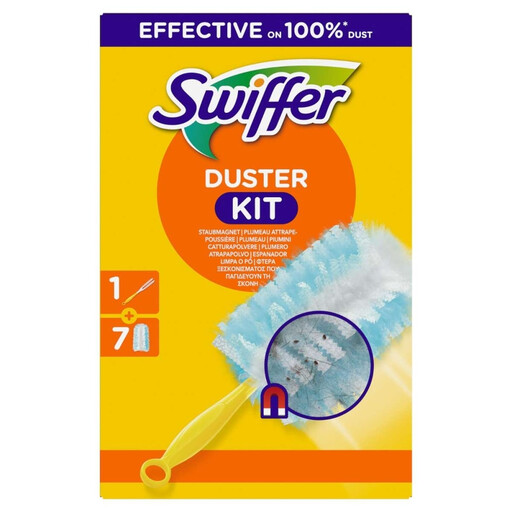
Why it stands out: The Swiffer Duster Starter Kit is designed for cleaning hard-to-reach places. The handle extends up to 90 cm, making it possible to clean ceiling fans, high shelves, and tight gaps without a ladder. The 360° Dust Magnet cloths are designed to pick up and lock in dust and allergens from all sides.
Benefits:
Who is it for? For households with high ceilings, lots of shelves, or for anyone looking for a safe and convenient solution for hard-to-reach areas.
View Product: Swiffer Duster Dust Magnet Starter Kit
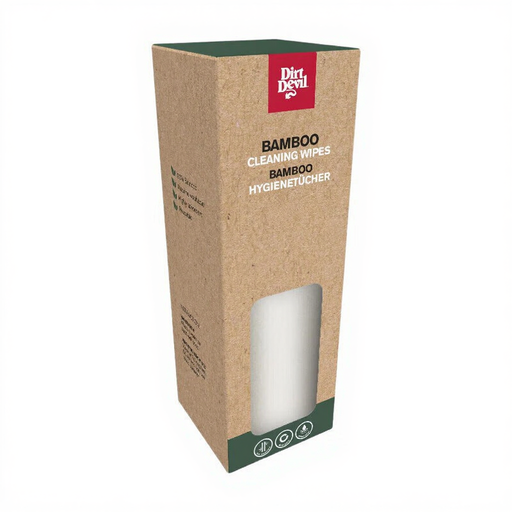
Why it stands out: This set from Dirt Devil offers an eco-conscious alternative to disposable wipes. The 20 cloths are made from a bamboo blend known for its absorbency and durability. They are designed for a wide range of cleaning tasks throughout the home.
Benefits:
Who is it for? For environmentally and budget-conscious consumers looking for a durable and versatile cleaning solution for the entire household.
View Product: Dirt Devil Reusable Wipes, Set of 20
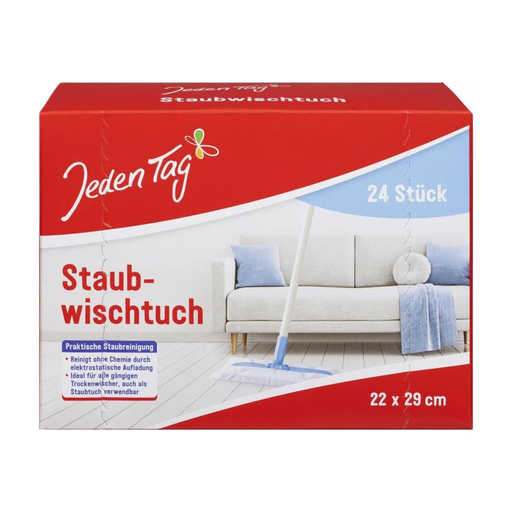
Why it stands out: The dust cloths from Jeden Tag are designed for quick and easy dry cleaning. They use an electrostatic charge to effectively bind dust, hair, and fine particles on smooth surfaces without the need for chemical cleaning agents.
Benefits:
Who is it for? For those who prefer a fast, hygienic, and cost-effective solution for daily dust removal on smooth floors and furniture.
View Product: Jeden Tag Dust Cloth, 24 Pack
The products featured cover common use cases, but every household is different. If you are looking for specialised cloths or other materials, you may find the right solution in our broader product category.
Discover a wider selection of cleaning cloths here
To minimise stirring up dust, products that bind it are ideal. Electrostatic cloths and dusters with special fibres (like those in the Swiffer Dust Magnet) attract and hold onto particles. Alternatively, a lightly dampened reusable cleaning cloth can bind the dust instead of sending it into the air.
Both methods have their place. Dry dusting with an electrostatic cloth is very effective for loose dust, hair, and allergens on sensitive surfaces like electronics or wood furniture. Damp dusting is better for more stubborn dirt or settled dust on non-sensitive surfaces. However, only use damp, well-wrung cloths to avoid water damage.