
Lieferung heute & morgen

Qualitätsgarantie

Willkommens-Angebote freischalten: KOSTENLOSE Lieferung | Bis zu 80 % RABATT | Kostenlose 30-Tage-JoyPlus-Testphase
App herunterladen
If you want to store duvets, winter clothes or bed linen without taking up too much space, you’ll find plenty of storage bags online in different sizes and styles. However, not every option will suit your available storage space or the amount you need to store. Even when choosing a small box for retainers, braces or mouthguards, material, cleaning and ventilation are important considerations.
This buying guide explains what households, students and anyone short on storage space should look for. The recommendations are based on clear product details, such as dimensions, pack size and intended use.
A duvet storage bag measuring 68 × 50 × 24 cm will need roughly that much space. The actual interior may be slightly smaller because of the seams, zip and material thickness. So avoid filling the bag to its maximum capacity.
Before you buy, it’s worth checking the following:
Many space-saving storage bags reduce volume by allowing you to fold items neatly. That’s not the same as a vacuum bag. Don’t try to remove the air unless the bag has a valve and is compatible with a pump. Prolonged, heavy compression can also affect the shape of textiles.
For bed linen, towels and seasonal clothes, a sturdy, foldable fabric storage bag is often enough. If you’re storing delicate down products, follow the manufacturer’s storage instructions.
A set of storage bags can be useful if you want to keep different textiles separate. But if you only need to store one duvet, you may not need several bags. When buying a set, check whether all the bags are the same size and whether the quantity suits your household.
For a bedding storage bag, length, width and height are all important. The measurements 68 × 50 × 24 cm are the product’s outer dimensions and give you a useful guide to the space needed for folded duvets, bed linen or clothes. In student accommodation and small wardrobes, a rectangular shape may be easier to use than a tall container.
Fill the bag so that the fastening closes without being stretched. An overstretched zip may wear out more quickly with everyday use.
When choosing fabric storage bags, look for the following features:
A storage bag can’t replace a dry storage environment. Textiles should be completely dry and clean before you put them away. If they’re stored for a long time, airing them out occasionally is a good idea.
A retainer case or brace box should be the right size for the dental appliance you’re storing. Before putting retainers, mouthguards or removable braces away, clean them according to the instructions from your dental practice. The box itself should also be cleaned regularly and dried thoroughly.
A carry case helps prevent the appliance from coming into loose contact with other items in a bag or rucksack. However, it doesn’t replace any individual care or storage instructions from your dental practice. You can’t determine medical effectiveness or sterility from the product case alone.
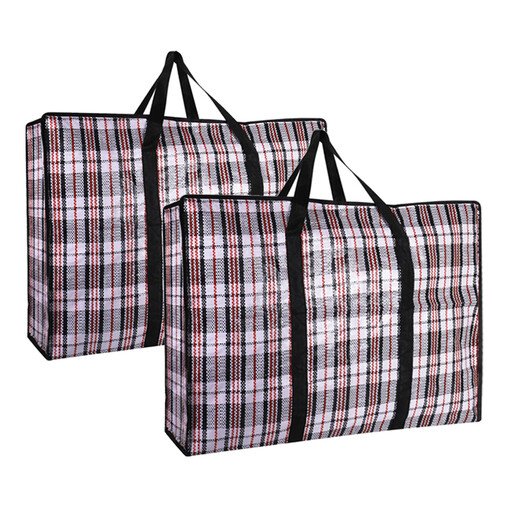
Why it suits this profile: Two bags measuring 68 × 50 × 24 cm offer a simple way to store duvets and clothes separately, without having to buy a larger set.
The pack size and outer dimensions are clearly stated, making it easier to check the space you’ll need against your wardrobe, shelving or under-bed storage before you buy.
Pack of 2; measures 68 × 50 × 24 cm; designed for clothes and bedding.
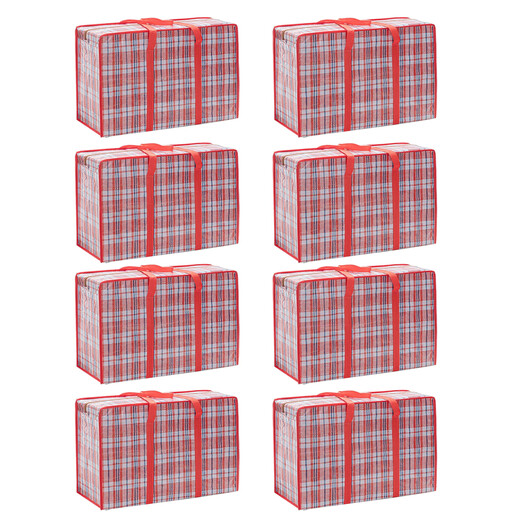
Why it suits this profile: A pack of 6 is ideal for households that want to organise bed linen, seasonal clothes and several duvets separately.
The matching dimensions make it easier to plan your storage space in advance. The larger pack size also helps you keep different textiles separate instead of mixing them in an overfilled bag.
6 bags; each measures 68 × 50 × 24 cm; designed for clothes and bedding.
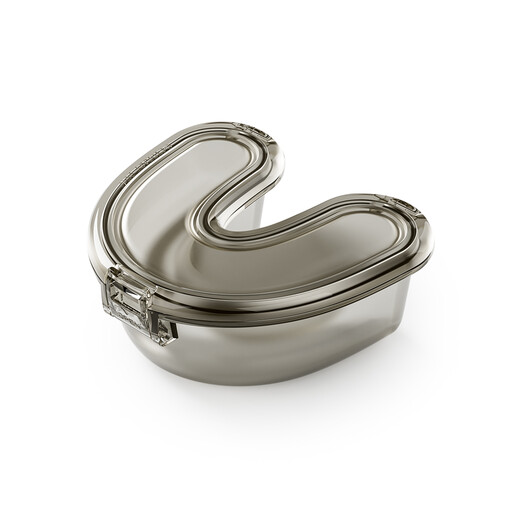
Why it suits this profile: This compact case is designed for carrying and storing retainers, partial dentures and mouthguards during the working or school day.
A separate case for your dental appliance reduces the chance of it being loose in a bag. Before you buy, check that the interior will fit your appliance.
Compact design; intended for retainers, partial dentures and mouthguards; described as suitable for work or school.
We’ve put together a complete, regularly updated list of products that meet these strict selection criteria and the safety regulations in force in the EU.
To help your duvet and clothing storage bags last as long as possible, avoid overfilling them. Don’t put heavy items on delicate fabric bags. Make sure duvets and clothes are dry before closing the bag. If you’re storing it in a cellar, also take care to protect it from damp and possible temperature changes.
For an organised clothes storage system, label your bags or sort them by season. Keep textiles you use regularly at the top or somewhere easy to reach. Store your retainer case separately from shoes, cosmetics and unwashed items when carrying it.
It depends on the thickness and filling of your duvet. The product’s outer dimensions are a useful guide. Don’t fill a 68 × 50 × 24 cm bag right to the top. For particularly bulky duvets, a larger model or a second bag may be a better choice.
It’s not possible to guarantee a specific storage period without details about the material and storage conditions. The important things are to store textiles clean and dry, keep them in a dry place and make sure the fastening is in good condition. If you’re storing them for a long time, check the contents and air them out occasionally.
Clean your retainer according to your dental practice’s instructions and dry it completely before putting it away. Clean the case regularly and don’t leave it closed while damp. A compact storage case protects your retainer while you’re carrying it, but it doesn’t replace individual care instructions.