Readers in a reverberant living space
If you can set up a fixed spot close to the microphone, make a test recording to check how clearly you can hear your voice, the room acoustics and any distant noise.


If you can hear room echo or distant background noise, a dynamic voice microphone could be worth considering, used at a short, consistent speaking distance. In a quiet, controlled room, a condenser microphone can capture subtle vocal nuances; here, too, positioning and a test recording make all the difference. USB makes it easier to connect at a single recording station, while XLR requires suitable additional recording equipment and, on hybrid models, does not automatically offer the same features as USB.
If you can set up a fixed spot close to the microphone, make a test recording to check how clearly you can hear your voice, the room acoustics and any distant noise.
If you switch between whispers, narration and forceful exclamations, test both quiet and loud passages at your planned recording spot and keep an eye on the level meter.
If you want to record directly on your computer, check the connections, monitoring options and contents of the specific model against the equipment you already have.
| Consideration | What to check before buying | Who it matters most to |
|---|---|---|
| Room acoustics and background noise | Polar pattern, orientation and a practical mount; then record from the speaking distance you plan to use. | If I read in a room with noticeable echo or noise, I want to be able to assess my voice in relation to the room. Around 30% of consumers put control over room acoustics first. |
| Vocal nuances and changes in volume | Record one quiet and one loud passage; check the pop filter, level meter and features available through the connection you’ll actually use. | If I whisper and then perform a role loudly, I want to check both passages from the same spot. Around 30% of consumers prioritise expression and changes in volume. |
| Connection and future upgrades | Check the exact model’s connection, computer compatibility and cable, and whether you may need an audio interface. | If I want to start recording on my computer without a separate interface, or change my recording setup later, I need to know what connections are available. Around 20% of consumers put ease of connection first. |
| Monitoring and positioning | Check for a headphone socket and mix control, the supplied mount, and space for your script and microphone arm. | If I’m recording longer pieces, I want to monitor my voice directly and keep the microphone at a consistent distance. Around 20% of consumers prioritise monitoring and stable positioning. |
Orientation and distance can affect a recording, but they’re no substitute for testing the microphone at your actual speaking spot.
Record a short scene at your planned reading desk, including pauses, quiet sections and exclamations. Listen out for the room acoustics, too.
According to RØDE, the 32-bit float feature on the RØDE NT1 5th Generation applies to the digital USB output, not the analogue XLR signal.
Check the features and hardware you’ll need for the exact connection you plan to use.
The dynamic MV7+ offers USB-C and XLR; the SM7B is an XLR model for a compatible recording setup.
The NT1 5th Generation combines a condenser recording path with USB and XLR.
The AT2020USB-X is a USB model; the AT2020 is a separate XLR version.
The Profile USB is a USB-C condenser microphone for a single speaking position.
The Wave:3 MK.2 is a USB condenser option with built-in controls and signal processing.
The products below include dynamic USB/XLR microphones, a wireless microphone system, and USB and lavalier options for voice recording.
 No image available
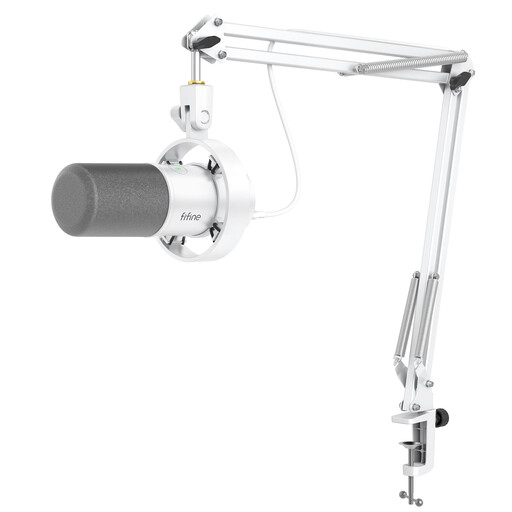
For a fixed speaking position, this dynamic microphone comes with an adjustable arm.
USB-C and XLR; a microphone arm, shock mount and windscreen are listed as included. According to the product description, the gain control, mute button and headphone monitoring work in USB mode. An XLR cable is not included.
 No image available
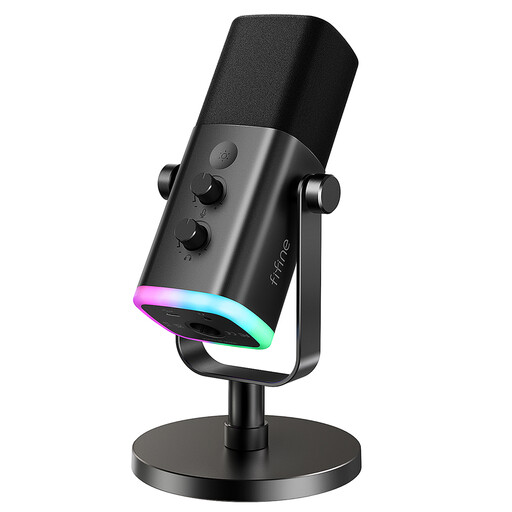
A desk stand is listed as included, making this suitable for a single recording position at your desk.
USB/XLR, windscreen and mute function; a headphone socket and volume control are specified for USB. An XLR cable is not included. According to the product description, the controls and RGB lighting are available only over USB.
 No image available
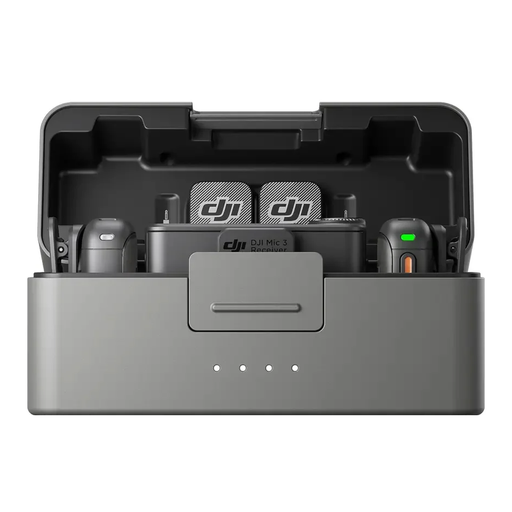
This wireless microphone system is a different type of setup from a single desk microphone.
The set includes two transmitters, one receiver and a charging case. The product description lists USB-C, Lightning and 3.5 mm TRS, as well as internal 32-bit float recording and 24-bit audio.
 No image available
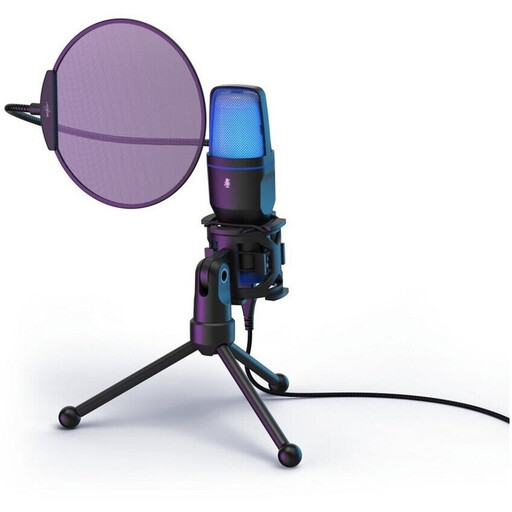
The product description lists a USB connection and pop filter, making it suitable for a straightforward USB recording setup.
The stated polar pattern is omnidirectional. If you can hear the room, check the positioning with a test recording.
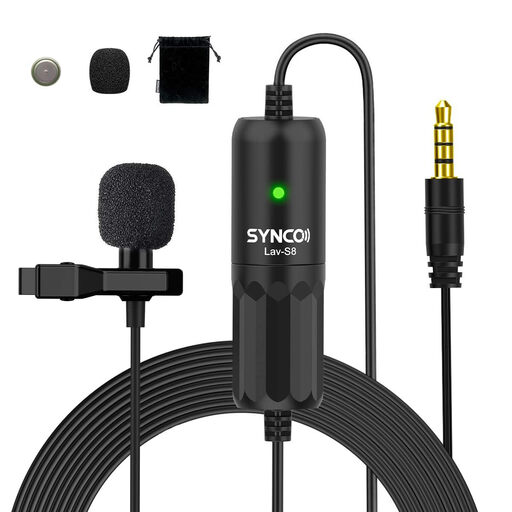 No image available
The product description says this microphone can be used with a PC or laptop and clipped to your clothing.
It has a 3.5 mm connection, a clothing clip and a windscreen. Its polar pattern is omnidirectional, so positioning remains important if you can hear the room.
No. Recording to a computer over XLR requires suitable additional hardware. The RØDE NT1 5th Generation also has a direct USB connection; check the connections on the specific model.
Point the active side towards your speaking position and test a quiet and a loud passage using headphones. On the side-address RØDE NT1 5th Generation, the gold dot marks the front; the supplied shock mount and pop filter help with positioning and reducing bumps and plosives.
For a consumer purchase, the seller is responsible for your statutory rights if the product is faulty. Under EU rules, the minimum period is two years from the date you receive the goods. A voluntary guarantee is separate and has its own terms, which you should check independently.
Not simply because you recorded it yourself. Poems and novels may be protected by copyright; the German Patent and Trade Mark Office lists making a work available to the public online as a right of exploitation. Check the usage rights or public-domain status of the specific text; protection periods and any rights in adaptations should be checked separately.
Section 201 of the German Criminal Code (StGB) makes the unauthorised recording of another person’s non-public speech a criminal offence. Before making such a recording, check that you are legally allowed to do so; recording yourself reading alone is not the same as recording other people’s conversations.